Middle Georgia hospitals are near capacity due to COVID. What to know before you go
READ MORE
The Telegraph’s COVID delta variant reporting
As the delta variant of the COVID-19 virus surges across Middle Georgia, officials, hospitals and communities have had to react. Here is our latest coverage.
Expand All
Hospitals in Middle Georgia are near capacity as COVID-19 cases and hospitalizations continue to spike across the region.
The increase in cases and hospitalizations has led Middle Georgia hospital leaders to change visitation policies, and some hospital systems have stopped performing non-emergency inpatient procedures.
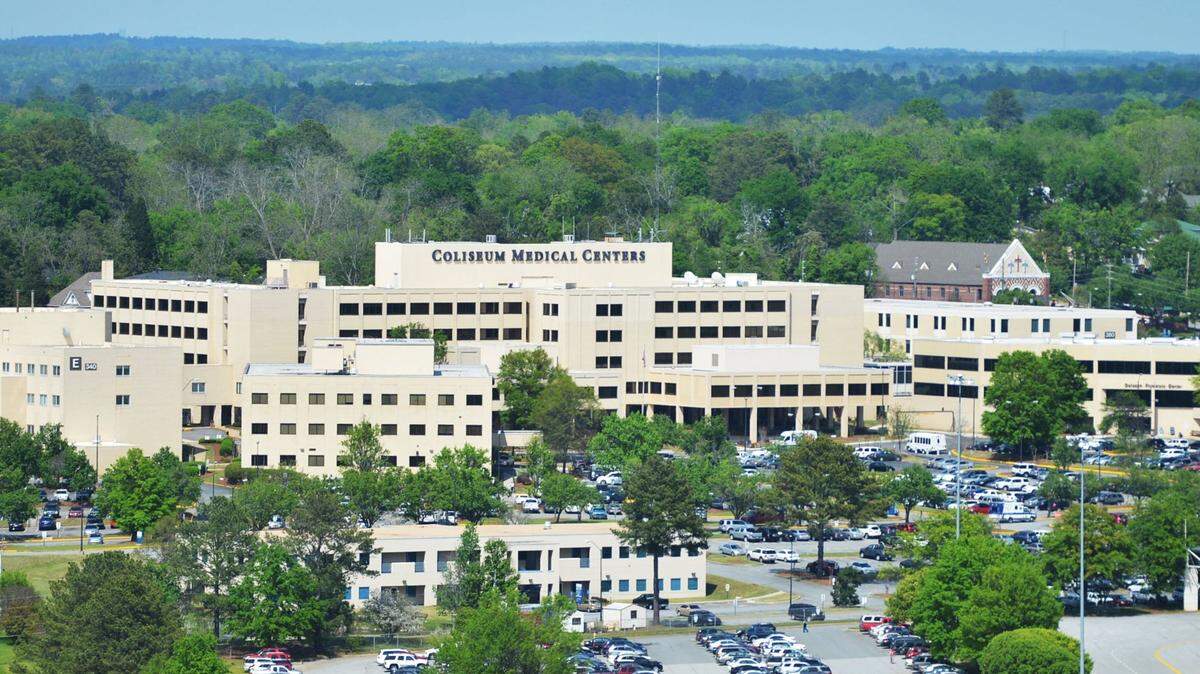
Here’s a list of the most up-to-date policies for visitors at Atrium Health Navicent, Piedmont (formerly Coliseum) and Houston Healthcare:
Atrium Health Navicent
- Visitation hours will be held 10 a.m. to 7 p.m. daily.
- All patients in systemwide inpatient may have two visitors excluding COVID-19 units.
- Two visitors are allowed at the bedside at a time.
- The two designated visitors must stay the same per 24 hour period.
- All patients in systemwide outpatient and ambulatory settings may have two (2) visitors excluding COVID-19 units
- Visitors under the age of 12 are not permitted in an inpatient setting, including for the birth of a sibling.
Special considerations that can be made for the following patients:
- Minor patients under the age of 18
- Patients in labor and delivery or family birth centers
- Patients in intensive care (non-COVID-19 units)
- Patients at end of life or in hospice or palliative care
- Patients who need a healthcare decision-maker or visitor to help with communication or mobility
For additional guidelines from Atrium Navicent Health visit their website.
Piedmont Hospitals (formerly Coliseum)
- A mask must be worn at all times at the facility.
- Visiting hour are from 8 a.m. to 8 p.m. daily.
- Two visitors ages 12 and up are permitted.
- No visitors are allowed for COVID-19 patients.
Visitors must make sure that they have not been exposed to COVID-19 in the past 14 days.
You must not have any of the following symptoms, which could be related to COVID-19
- fever or chills
- shortness of breath
- muscle or body aches
- loss of taste or smell
- sore throat
- congestion or runny nose
- nausea or vomiting
- diarrhea
Houston Healthcare
The hospital has four tiers in the visitation policy based on the number of COVID-19 patients in the hospital.
- When there are 61 or more COVID-19 positive cases it is considered tier 4 and there are no visitors permitted at the hospital except for end of life or for the patient’s physical safety.
- Between 31-60 cases is considered tier 3 and one visitor is allowed per inpatient all day. One visitor is also allowed for outpatient at tier 3 as well at tier 2.
- Between 15-30 cases is considered tier 2. Two visitors are allowed for all inpatients per day. Visitors may be allowed for other patients depending on patient needs.
- When there are less than 15 cases in the hospital the visitation restrictions are lifted.
Houston Healthcare was most recently at Tier 4, meaning no visitors are allowed.
Get tested at pharmacy, not ER
Leaders at Atrium Navicent Health, Houston Healthcare and Piedmont (formerly Coliseum) came together last week to ask the community to get the COVID-19 vaccine to help stop the spread of the delta variant.
Dr. Patrice Walker, the Chief Medical Officer with Atrium Navicent Health, said the influx of COVID-19 patients is challenging because hospitals already have a lot of patients with everyday emergency needs.
“Every healthcare system is having to evaluate similar to how we are right now,” Walker said. “We don’t want to discourage people from coming in to get care when they need it, but there may be long wait times but if people need care our doors are open. We want to encourage people to come and get it if they need it.
Atrium’s Medical Center is no longer doing any non-essential procedures that require hospitalization after the procedure.
If you are considering going to the emergency room for care, here are some things to keep in mind:
- When patients arrive at the hospital, they are triaged based on the severity of their situation. Hospitals are currently at capacity and beds are limited. Patients who are admitted to the hospital could possibly receive all their treatment before a room or bed opens up, according to Walker.
- For non-emergencies, consider seeking care through your primary care physician. If you need a COVID-19 test consider going to a local pharmacy instead of the emergency room to help cut down on your wait time,
- Patients will be required to wear a face mask and physically distance when possible. It is recommended that you wash your hands frequently and avoid touching your face.
This story was originally published August 17, 2021 at 12:02 PM.