With COVID surge in Georgia, delta variant creates a ‘pandemic of the unvaccinated’
READ MORE
The Telegraph’s COVID delta variant reporting
As the delta variant of the COVID-19 virus surges across Middle Georgia, officials, hospitals and communities have had to react. Here is our latest coverage.
Expand All
If you look at a graph of confirmed COVID-19 cases in Georgia since March 2020, you’ll notice two large spikes: one in mid-July, and an even larger one in January of this year.
New cases dropped to a crawl this summer as millions of Georgians were vaccinated, with as few as 140 new cases a day. But that graph shows an alarming trend: despite the widespread availability of the vaccine, cases are starting to go up again.
Georgia reported more than a thousand new cases Tuesday, on par with case numbers reported in mid-April last year.
Health experts agree that at least two factors in expanding case numbers in the U.S. and across the world are low vaccination rates and the so-called delta variant, a highly infectious strain of COVID-19 that has quickly become the dominant version of the virus. In Georgia, 45% of residents have received one dose and 38% have been fully vaccinated.
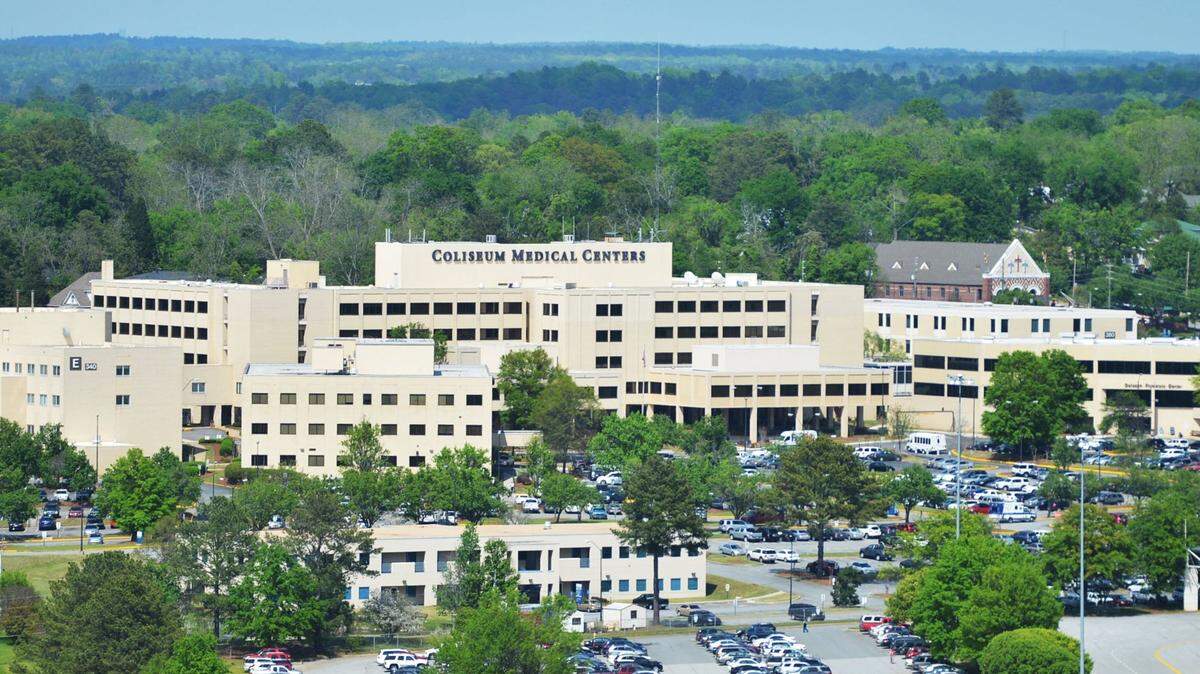
Dr. Jennifer Hoffman, an infectious disease specialist with Coliseum Health System, said it appears that the fourth wave of COVID-19 is making its way around the globe and will likely be worse than the previous ones, especially for the unvaccinated.
“It is much much more contagious than the original COVID strain,” she said. “If you have it and you are walking around in the community, you are going to spread it to everyone.”
Delta is a more contagious strain of the virus, according to the CDC, because more viral particles accumulate in the nose and mouth meaning that every sneeze and cough is more likely to infect someone. The World Health Organization has called this version of the virus “the fastest and fittest.”
Protecting yourself from delta
Hoffman suggests that Georgians wear masks and social distance even if they are vaccinated, but believes these measure might have little impact against delta for the unvaccinated. U.S. Surgeon General Vivek Murthy suggested earlier this week that vaccinated Americans begin to wear masks and social distance again, although official CDC guidance still says vaccinated individuals most likely don’t need to.
“While I think all the measures help, I don’t think it will be as effective against delta as it was against the original variant,” Hoffman said. “You need to really rethink what you are doing. As much as we all want this to be over, unfortunately it isn’t and doesn’t look like it will be anytime soon. With this new, more contagious variant, I think you need to peel back on your exposures.”
Hoffman said unvaccinated people are being hospitalized and dying at a significant rate. She added some vaccinated people will contract COVID-19, but receiving a vaccine drastically reduces the potential severity of the case.
“Pretty soon there is going to be a clear choice. Either you get vaccinated or you are going to get the delta variant,” Hoffman said. “I think it is accurate to say in a sense that it is a pandemic of the unvaccinated.”
What’s the current COVID case trend?
Cases numbers around the state and country have been on the rise in recent weeks. Georgia reported more than 2,000 new cases in Wednesday and Thursday, and the current 7-day average of newly reported cases is 1,432. Over the last 14 days, Georgia has seen a 203% increase in cases, and hospitalizations are up by 70%.
Hoffman said those rates will continue to increase and could even double from week-to-week based on how contagious the delta is.
Reduced testing availability
Michael Hokanson, spokesman for the North Central Health District, said that one of the biggest concerns is a sharp decline in testing. The NCHD covers 14 Middle Georgia counties, including Bibb, Houston and Peach.
During the height of the pandemic, each of the 14 county health departments offered free COVID-19 testing. But due to the significant decline in those seeking testing and additional testing sites through private pharmacies, only three counties —Baldwin, Hancock and Houston —still offer testing.
Hoffman said there are likely three-to-five times more actual cases than detected cases because people with mild symptoms aren’t getting tested.
Despite the decline in testing, experts say it is extremely important that even with mild symptoms residents should get tested.
“We are not getting the same level of data that we have in the past when people were testing more frequently,” Hokanson said. “We can’t get a clear picture of what is going on in the community if we don’t have the data to show what is going on.”
The delta variant is now responsible for about one in every four infections in the United States, according to the latest estimates from the CDC. In a White House press briefing earlier this month, Dr. Anthony Fauci, director of the National Institute of Allergy and Infectious Diseases and a top medical adviser to President Joe Biden, noted that the delta variant is “currently the greatest threat” to American attempts to eliminate the coronavirus.
The delta variant first appeared near the end of 2020 in India. It is particularly threatening in areas where vaccination rates remain low. Hoffman said variants will continue to pop up because some countries do not have widespread access to a vaccine.
“I think it will continue to evolve. Each time the virus infects a person, it has its own laboratory to mutate,” she said. “Those countries are acting labs for new mutant viruses that are eventually going to spread here because this is a global society… It is in everybody’s interest to vaccinate the whole world.”
This story was originally published July 23, 2021 at 4:30 PM.