How could Trump’s cuts to the US Health Department affect Georgia residents?
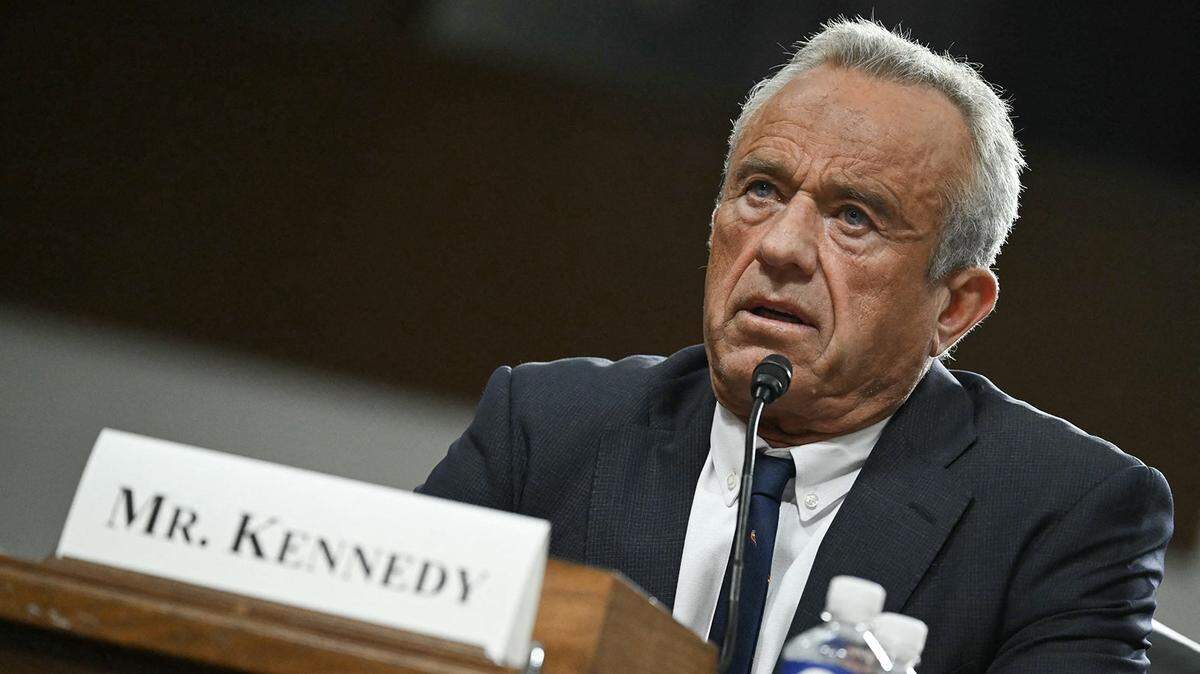
The latest phase of President Donald Trump’s “reduction in force” initiative takes aim at the Department of Health and Human Services (HHS) in the ongoing restructuring of the federal government.
This is the latest effort to uphold Trump’s Executive Order “Implementing the President’s ‘Department of Government Efficiency’ Workforce Optimization Initiative tasked to Elon Musk, who heads up the DOGE department.
Secretary Robert F. Kennedy said the elimination of 20,000 jobs and the 46% reduction of service divisions will work towards dual purposes.
He told Chris Cuomo on his Newsnation show, CUOMO, “We have two goals. The first is obvious: to save the taxpayer money and the second is to radically improve the quality of service.”
What does the Department of Health and Human Services do?
The Department of Health and Human Services (HHS) provides services aimed at the health and well-being of Americans.
It is also one of the largest federal departments in terms of both employment and budget, and currently has 11 operating agencies.
The HHS oversees:
Centers for Disease Control and Prevention (CDC)
Food and Drug Administration (FDA)
National Institutes of Health (NIH)
Centers for Medicare & Medicaid Services (CMS)
Administration for Children and Families (ACF)
Health Resources and Services Administration (HRSA)
Indian Health Service (IHS)
Substance Abuse and Mental Health Services Administration (SAMHSA)
Agency for Healthcare Research and Quality (AHRQ)
Agency for Toxic Substances and Disease Registry (ATSDR)
What changes are happening at the HHS?
Kennedy officially announced the plans on Thursday, March 27, but plans to reshape the structure of the federal government are not new news.
While the nuances of execution are yet to be revealed, the HHS estimated an annual savings of $1.8 billion from the restructuring.
These are among the proposed changes:
Workforce reduction
Total reduction of 20,000 full-time employees, bringing the workforce from 82,000 to 62,000
10,000 jobs cut through layoffs
Approximately 10,000 recent voluntary departures
Agency-specific cuts
Centers for Disease Control and Prevention (CDC): 2,400 positions eliminated
Food and Drug Administration (FDA): 3,500 jobs cut
National Institutes of Health (NIH): 1,200 positions reduced
Centers for Medicare & Medicaid Services: About 300 positions cut
Structural Changes
Consolidation of 28 divisions into 15 new divisions
Reduction of regional offices from ten to five
Creation of a new entity called the Administration for Healthy America (AHA)
Integration of the Administration for Strategic Preparedness and Response into the CDC
Who will be most impacted by the reduction of HHS services?
HHS’s broad scope ensures that vulnerable populations—such as those with limited financial resources or specific health challenges—are prioritized in its programs.
These groups will likely suffer the most:
Low-income individuals and families
Elderly Americans over the age of 62
Children and families through the loss of Head Start, child welfare services and maternal health programs.
People with disabilities
Native Americans
Will Medicaid or Medicare be affected?
Although the HHS has promised to protect Medicaid and Medicare and the recent changes won’t impact the programs, there are concerns about potential indirect effects. Politico reports on the “shockwaves [sent] through the federal government.”
Here are a few of the major concerns:
The Centers for Medicare & Medicaid Services (CMS), which oversees Medicaid and Medicare, is losing 300 employees. This could slow processes down, especially in programs related to older adults and those with disabilities.
The promise to reduce spending by $800 billion over 10 years could jeopardize long-term funding stability.
The consolidation of offices from 10 to 5 could slow or interrupt local support for Medicare beneficiaries.
How will the reductions affect Georgia, specifically?
The cuts will have major impacts on many ancillary departments, programs and initiatives that Georgia residents use.
Some of the programs at risk:
The Georgia Department of Health will lose funds due to the cancellation of Covid-era grants
Wastewater Surveillance System
Advanced Molecular Detection program
HIV prevention and treatment initiatives
Maternal mortality prevention efforts
Immunization programs
Drug overdose prevention services
There is also major concern for Georgia’s rural populations. Funding cuts often disproportionately affect rural areas where public health departments are often already short-staffed.
Georgia is likely to suffer tremendous job loss as well. HHS operates a regional office in Atlanta, and various agencies and programs are active in the state, including the Centers for Disease Control and Prevention (CDC).
Kennedy and the HHS offered repeated assurances that these efforts are “designed not only to save money, but to make the organization more efficient and more responsive to Americans’ needs, and to implement the Make America Healthy Again goal of ending the chronic disease epidemic.”
What are your thoughts? How do you feel about this restructuring? Email me at srose@ledger-enquirer.com or find me on Instagram.
This story was originally published March 31, 2025 at 1:30 PM with the headline "How could Trump’s cuts to the US Health Department affect Georgia residents?."