Trump promises these tariffs are ‘permanent.’ Here’s what GA consumers need to know
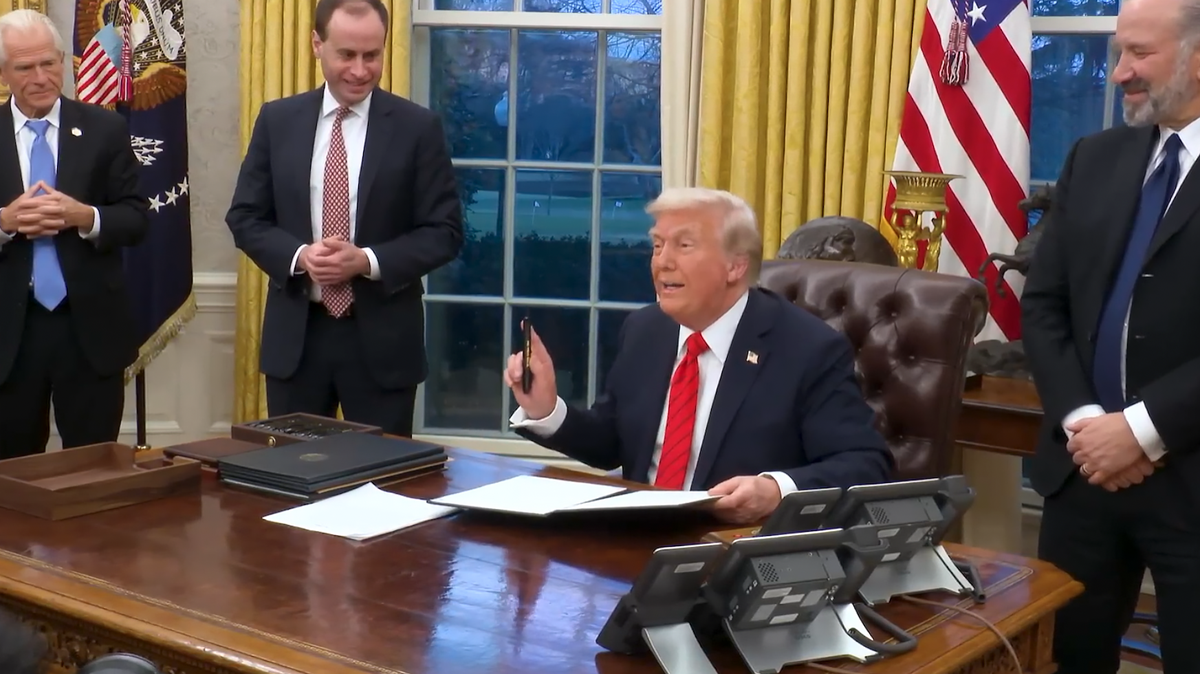
In a significant escalation in the trade war, President Trump announced a 25% tariff on all foreign auto imports that he claims will “protect America’s automobile industry.”
In a press conference on Wednesday, Trump outlined the latest tariff plan, which he promised would be “permanent,” and that “a lot of companies are going to be in great shape.”
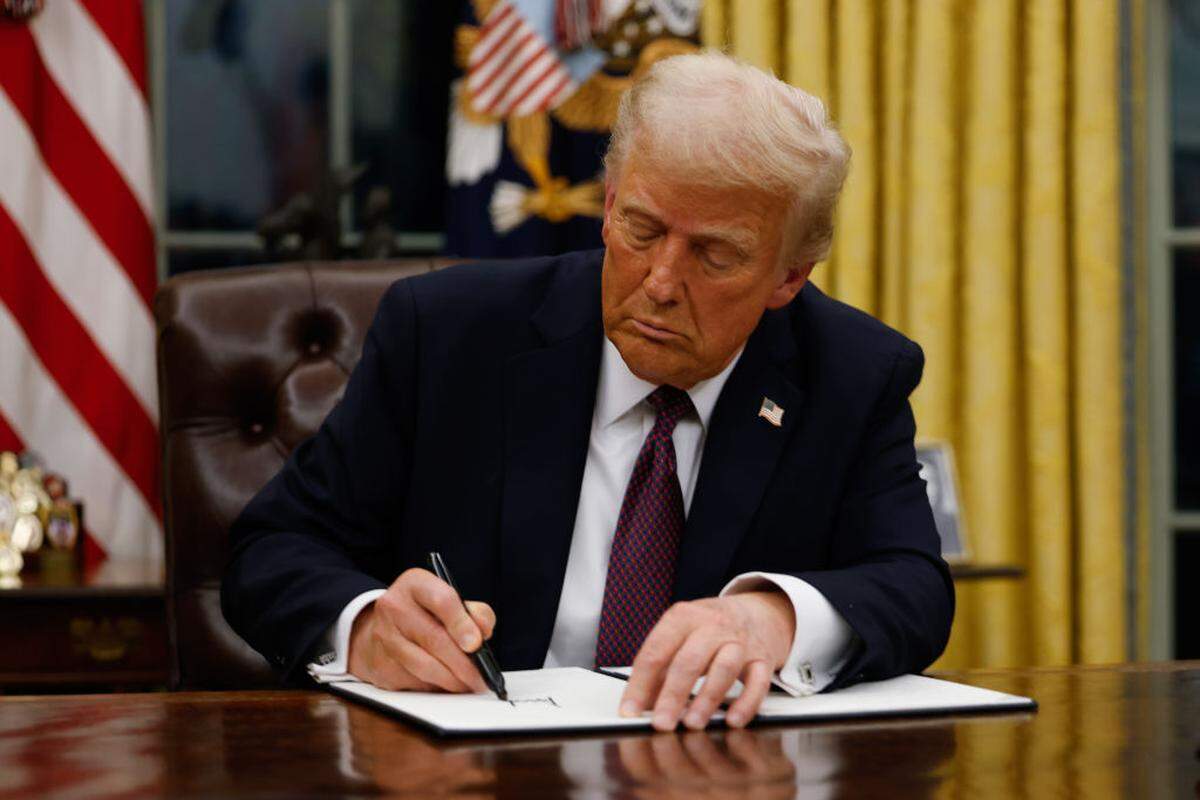
He told reporters from the Oval Office, “This will continue to spur growth,” but critics of the plan are skeptical it will be as positive as the President claims.
The new auto tariffs are set to take effect in two phases:
Automobiles and light trucks: April 3, 2025, at 12:01 a.m. EDT.
Auto parts: To be announced in an upcoming Federal Register notice, but no later than May 3, 2025.
Here are a few of the most frequently asked questions about tariffs and their implications:
What exactly does the 25% tariff apply to?
The short answer is that the tariffs will only apply to foreign auto and truck imports, but the scope is wider than that.
While the tariffs are meant to be levied against imported cars, they also extend to car parts, including engines, powertrains, electrical components and transmissions. Although a car may be assembled in the U.S., it’s likely that the parts came from a foreign entity.
Some details of note:
The tariffs will affect cars and trucks manufactured in countries that have free-trade agreements with the U.S., such as Canada, Mexico and South Korea.
Components compliant with the United States-Mexico-Canada Agreement (USMCA) will remain tariff-free until the U.S. Customs and Border Protection establishes a process to apply tariffs to their non-U.S. content.
The tariffs are in addition to existing duties, which currently stand at a base rate of 2.5% for automotive imports.
What does this mean for Georgia’s economy?
The latest iteration of the tariff plan is likely to have a significant impact on Georgia’s economy.
Motor vehicles were among the state’s top exports, valued at $2.4 billion and motor vehicles and parts manufacturing accounted for 1,018,800 jobs.
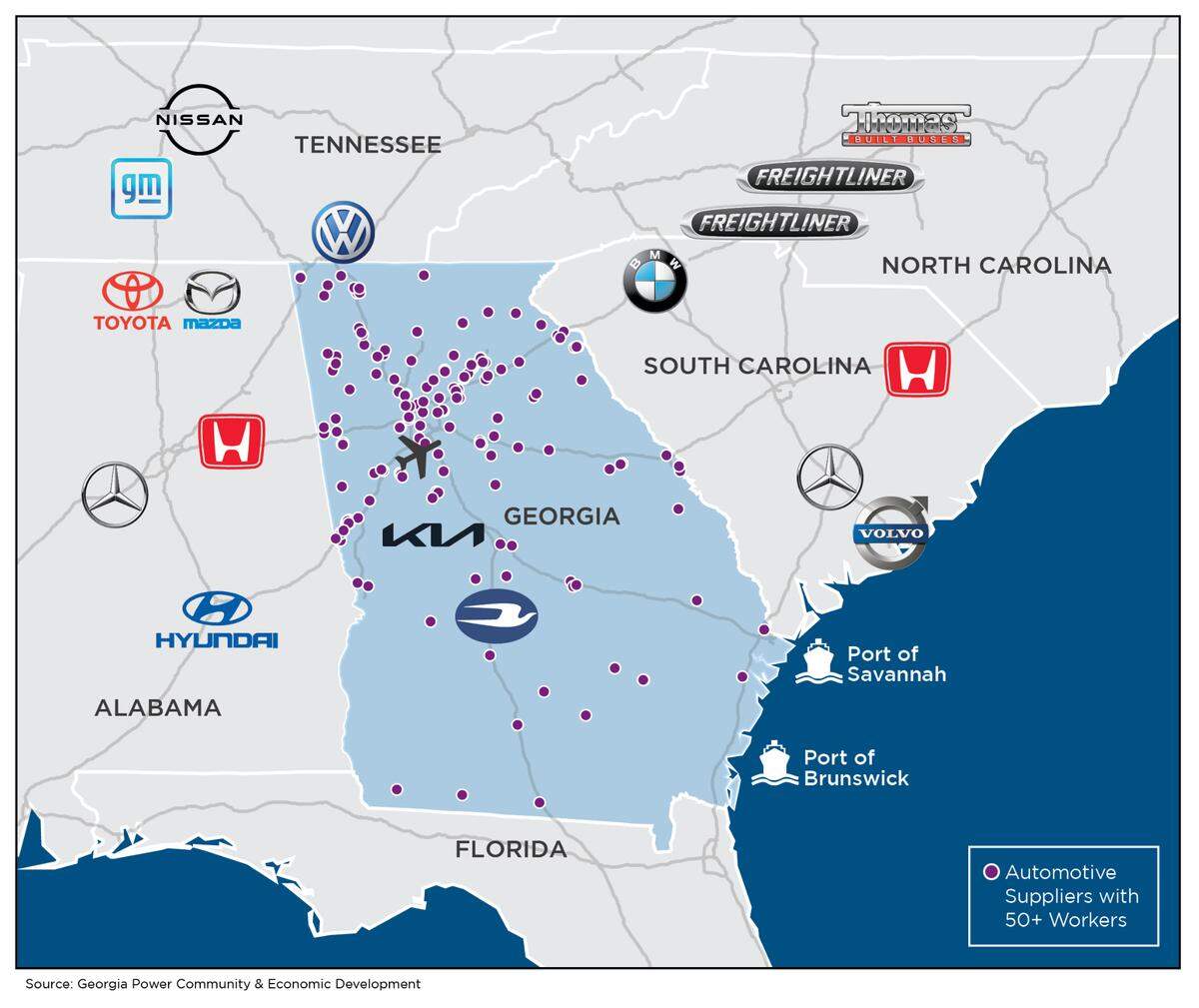
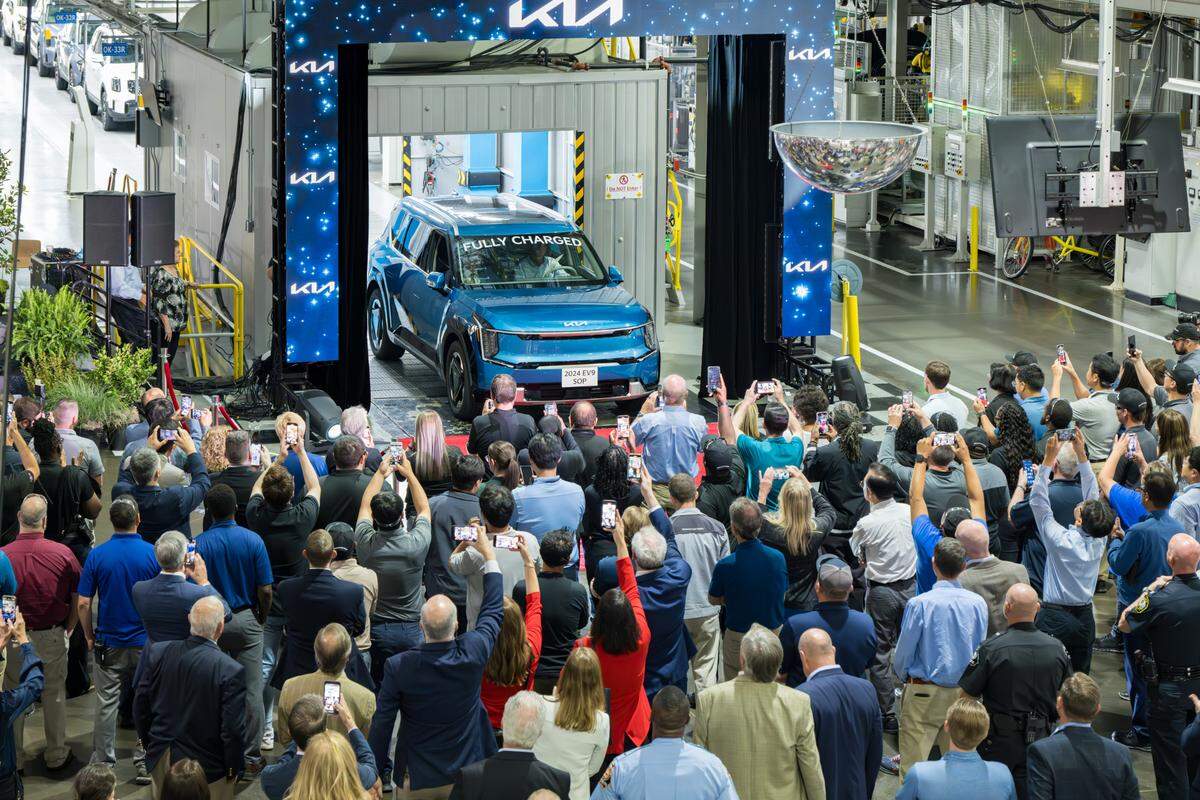
Georgia is also experiencing a boom in the electric vehicle market, with the presence and expansion of the Hyundai and Kia facilities, and the tariffs will likely have mixed effects on this sector.
Potential negative impacts:
Increased costs for manufacturers could raise production costs and affect competitiveness.
Higher sticker prices for consumers. CNBC cites analysts’ estimates, predicting prices, “could increase by $4,000 to $15,000 per vehicle, depending on how much of the car is imported.
Supply chain disruptions could cause production delays and possible job loss which could ultimately affect repair and maintenance issues.
Potential positive impacts:
More incentives for domestic production of auto parts, although the process is likely to be complex and will take time to materialize.
Job creation from manufacturers attempting to avoid tariffs, which would add to the 257,000 existing jobs.
More investment of foreign companies in Georgia to avoid import costs.
When pressed by reporters, Trump says this round of tariff implementations are “permanent” but he has high hopes for what they will return. He projected that the new 25% tariffs on auto imports would raise $100 billion in annual revenue for the United States.
He went on to say, “I think ultimately, we could probably receive anywhere from 600 billion to a trillion dollars that will be taken in over the relatively short term period.”
What do the experts say?
There are mixed opinions about the efficacy of the automotive trade war. White House Staff Secretary Will Scharf cosigned Trump’s $100 billion number. However, Trump’s predictions that the U.S. could go “from $600 billion to a trillion dollars” in a year has been met with a bit more incredulity.
Economists have warned that the new taxes on cars could have “damaging effects on the economies of the United States’ North American neighbors and key allies in Europe in Asia,” reports The New York Times.
Canada’s Prime Minister, Mark Carney, called it “a direct attack,” while German automakers claim the tariffs will have “negative consequences especially for consumers, including in North America,” according to the NYT.
Michael Robinet, a vice president at the automotive intelligence provider S&P Global Mobility told NYT, the tariffs will cause “vehicle prices [to] go up without doubt. It’s just a matter of how and when and how much.”
President Trump says the tariffs are good business for the U.S. because, he believes, other countries have been “taking our wealth, taking a lot of things, taking so much of our country.” He went on to say that the U.S. has fallen victim to both “friend and foe,” however, he thinks “friend has been often much worse than foe.”
If you build your car in America, Trump assures, “there’s no tariff.”
What are your biggest concerns about the upcoming tariffs? Email me at srose@ledger-enquirer.com or find me on Instagram.
This story was originally published March 28, 2025 at 3:54 PM with the headline "Trump promises these tariffs are ‘permanent.’ Here’s what GA consumers need to know."