Weight loss drug use is high in Georgia. How are food companies adapting?
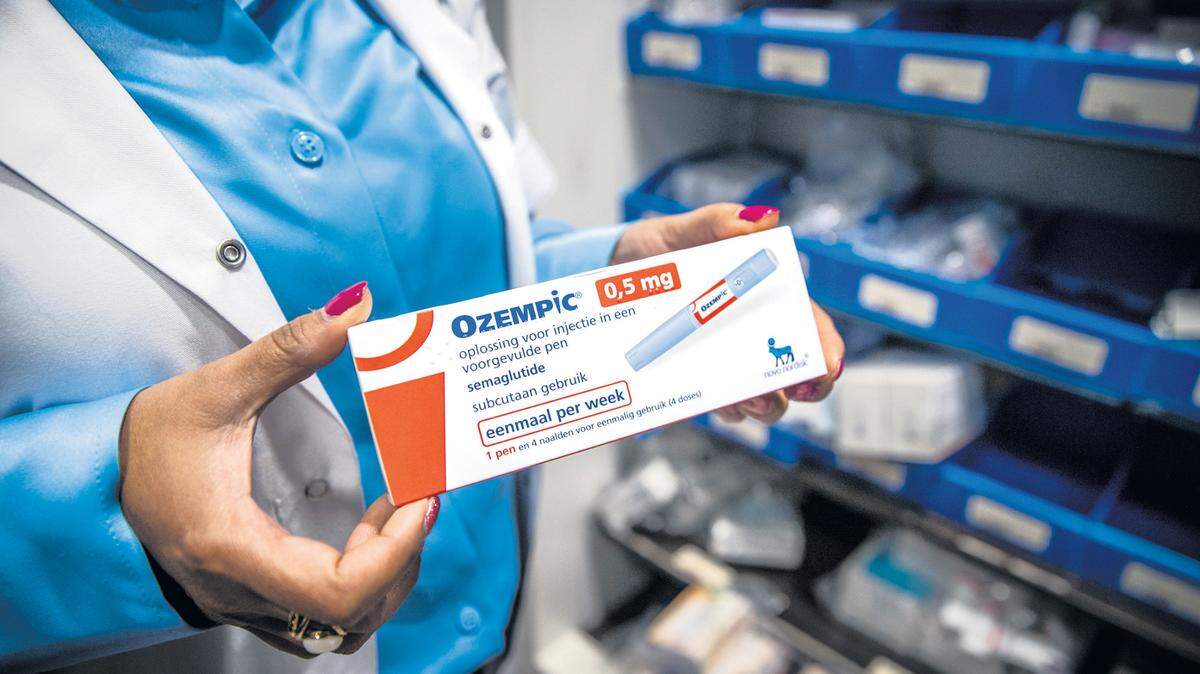
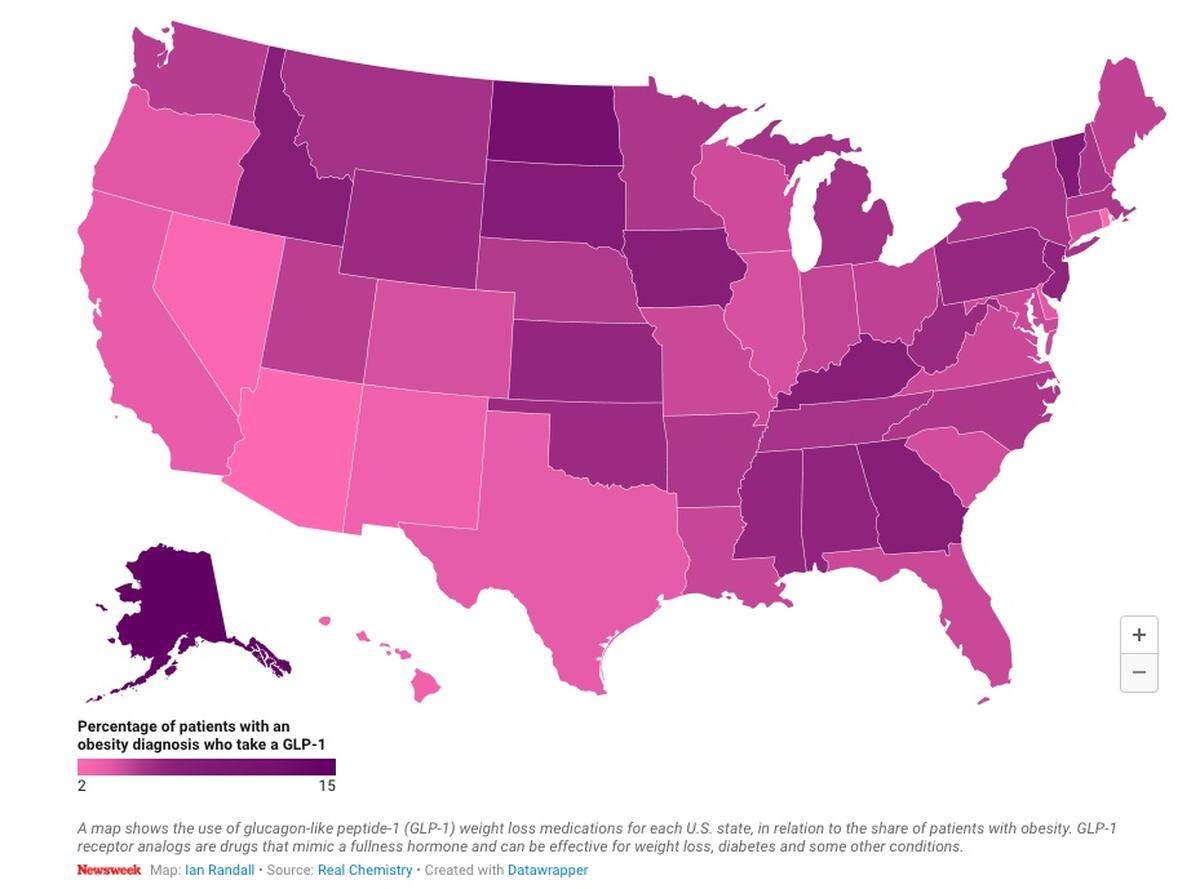
To say the use of GLP-1 medications like Ozempic, Mounjaro, Wegovy and Trulicity is on the rise is an understatement. From 2020 to 2023, the number of new GLP-1 users for weight management increased by over 2,000%, and an estimated 1.5% of all patients in Georgia are using the medication.
Georgia, alongside Kentucky, Alabama and West Virginia are the states with the highest GLP-1 usage rates, well above the national average.
Why are food companies worried about drugs like Ozempic or Wegovy?
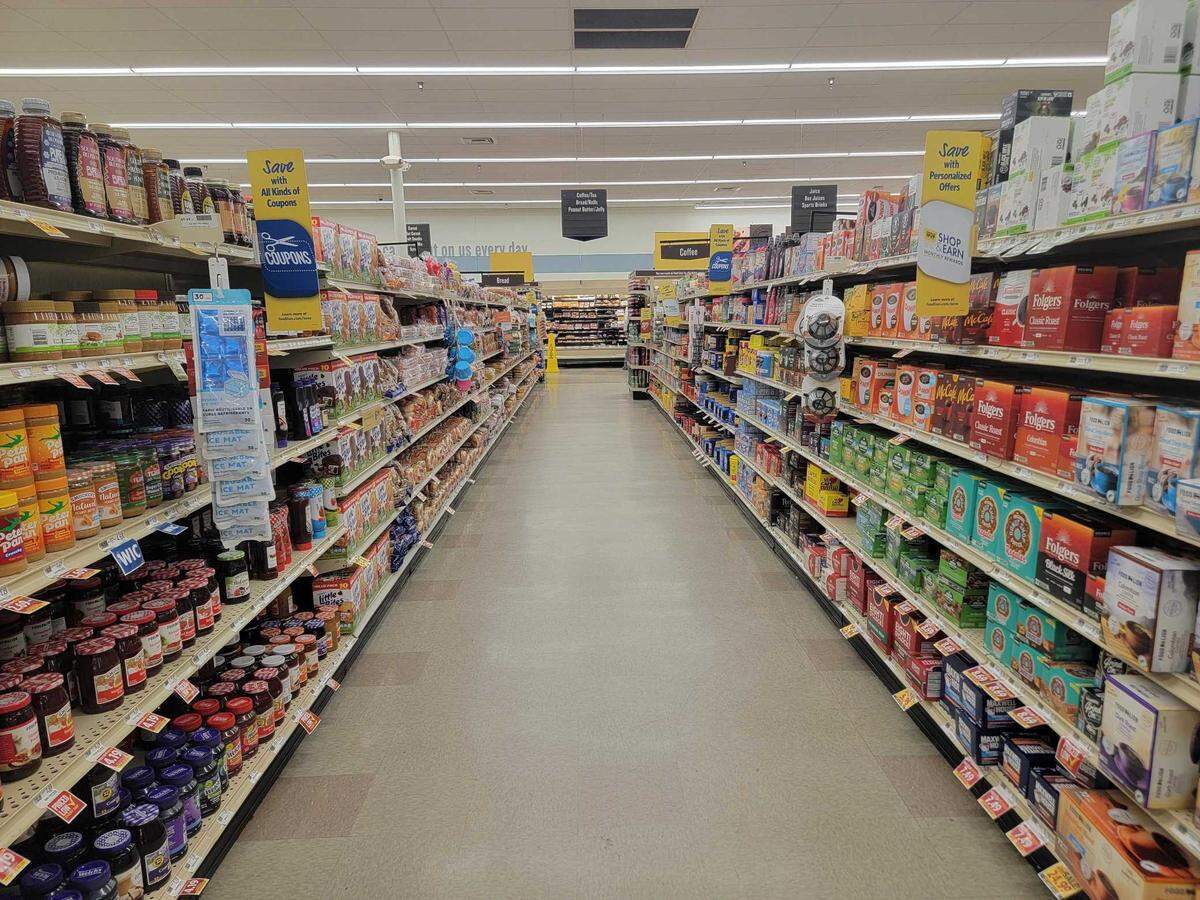
The rise of these medications has created a significant set of challenges for food companies as the appetite suppression effects of the drugs start to change consumer habits. An EY Pantheon study reveals that there has been a 40% to 60% decrease in snack sales, causing a $12 billion loss in the junk food industry.
Consumers taking a GLP-1 medication have a decreased urge for ultraprocessed foods (UPF) and some report it changes the way the food tastes and feels in their mouth. Karen Kenney, who has been taking weight-loss medications like Wegovy, spoke about the experience of eating a HoHo and how it now no longer seemed like food. She told The New York Times Magazine, “It tastes plasticky. Or feels plasticky in my mouth.”
What can food companies do about consumers taking GLP-1s?
In short, food manufacturers are fighting back. According to a recent Forbes article, these companies are “using AI to re-engineer addiction.”
According to CAS, a division of the American Chemical Society, “AI-driven systems analyze vast amounts of data to optimize flavors, textures, and ingredient combinations, creating foods that are more enticing to consumers.” It is making food that creates cravings instead of satisfying them.
All this may sound a little dramatic, but major food companies are “manufacturing demand” by turning to AI to redesign food.
Why should Ozempic users be concerned?
Some of these redesigned food items will combat the effects of the medication so that it overrides the signals indicating you’re full. It’s even possible that companies could make food that would render the medication less effective, according to the New York Times Magazine article.
Here are just a few of the negative outcomes possible:
Increased overeating and further obesity
Loss of control over eating choices
Questions about consent and transparency in the food industry.
Exacerbation of eating disorders
More frequent cravings and appetite
Isn’t what you eat just a personal choice?
In theory, free will applies to all nutritional choices, but in practice, it can be much more complicated. The nonpartisan, public health research group U.S. Right To Know (USRTK) published reports that UPF can “alter the brain’s reward pathways” the same way drugs do.
In fact, the USRTK reports that a “body of scientific research has emerged in recent years to show that some UPFs can be as addictive as cigarettes and cocaine.”
Every element of the consumption process is engineered to make the food more desirable. Companies account for a food’s color, smell, and “mouth feel,” and scientists even control how fast a substance hits the brain. For instance, food scientists “ground salt finer, which helps the flavor hit the taste buds faster for an “improved flavor burst.”
What are the larger implications of UPF?
Aside from the threat of addiction, these changes are likely to create issues across multiple areas.
Kelsey Costa told Medical News Today, the “social, economic and structural factors contributing to the pervasive consumption of [ultra-processed foods] and their addictive potential remain significant challenges to public health.”
Further, the consequences of consuming UPF are especially impactful to certain ethnic and/or disadvantaged groups that may have limited access to healthy food.
Some experts suggest policy changes are in order. In a letter to the FDA, Bernie Sanders wrote of this growing problem: “the food and beverage industry has been allowed to use deceptive and misleading tactics” which are “purposely designed to be overeaten.”
Recent lawsuits against food manufacturers in the U.S. allege that companies intentionally make ultraprocessed food “addictive” and usually cite three main problems:
- Manipulation of ingredients
- Misleading marketing
- Failure to warn
Are drug companies doing anything about this?
The partnership between technology and the food industry “unlocks new possibilities in ingredient discovery, pushing the boundaries of what’s achievable in taste, nutrition, and ecological impact.”
While there is not currently any evidence that the drug manufacturers are taking steps against the food companies, the situation is evolving. Novo Norodisk, a major manufacturer of GLP-1 drugs is researching the potential for treatment of addiction.
Other food companies, like Nestle and Conagra are launching lines designed specifically for individuals taking these drugs.
Are food companies crossing a line? Is all fair in a capitalist economy? Email me at srose@ledger-enquirer.com or find me on Instagram to share your thoughts.
This story was originally published March 27, 2025 at 4:42 PM with the headline "Weight loss drug use is high in Georgia. How are food companies adapting?."