Exploring the legacy of Macon’s Wallace Rayfield, one America’s first Black architects
READ MORE
Macon Telegraph’s Black History Month coverage
Read the Telegraph’s coverage of Black History month, including fresh reporting and gems from our archives.
Expand All
Described as a prolific pioneering Black architect, Wallace Rayfield designed hundreds of buildings across the United States, including one that served as the backdrop for several significant Civil Rights moments.
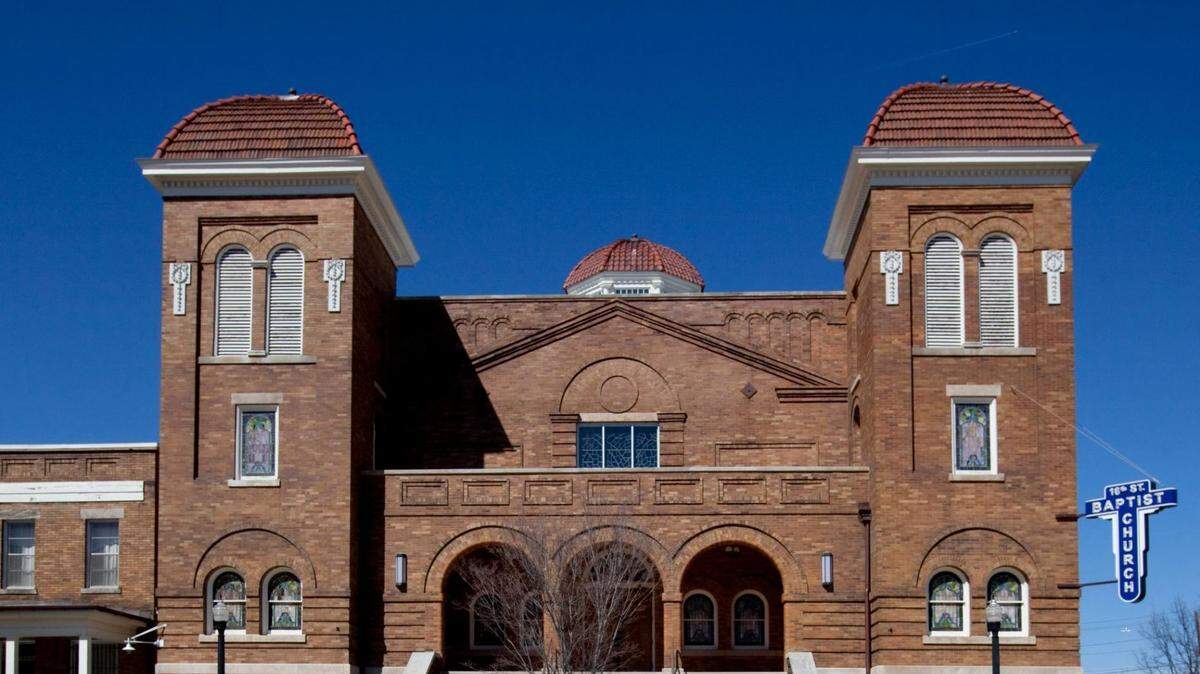
The Macon native, born almost 150 years ago this month, designed Sixteenth Street Baptist Church in Birmingham, Alabama; its halls were graced by the likes of W.E.B. DuBois, Mary McLeod Bethune and Paul Robeson.
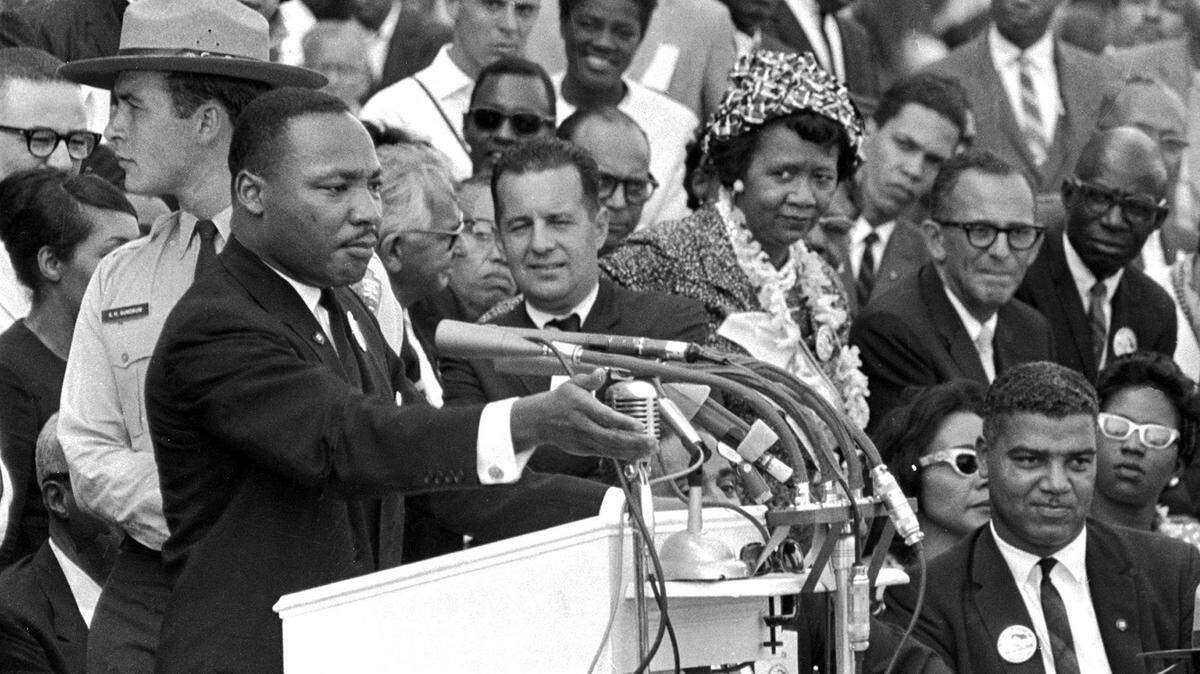
The church served as a meeting place for many events including the mass meetings and rallies held during the Civil Rights Movement of the 1950s and ‘60s. In 1963, leaders that included the Rev. Dr. Martin Luther King Jr. and the Rev. Fred Shuttlesworth led the Birmingham Campaign to end de facto segregation in the city, with many marches starting on the church’s steps. Later that year, the Sixteenth Street Baptist Church was bombed, and four girls attending a Sunday School class were killed. King delivered the girls’ eulogy inside the church.
Still standing
Of the more than 400 buildings Rayfield designed across 20 states, more than 300 are still standing, including buildings in Alabama, Georgia and Texas.
Rayfield was born in Macon on May 10, 1873, less than 10 years after the end of the Civil War, to Augustus and Mary Rayfield. He attended Lewis Normal Institute, which would later be called Ballard Normal School, in Macon before moving to Washington D.C. after his mother died in 1885.
He graduated from the preparatory school at Howard University in 1896 and attended the Pratt Institute in Brooklyn, New York, for two years. After he gained his certificate of graduation in 1899, he attended Columbia University to receive a bachelor’s degree in architecture, according to newspaper archives.
Rayfield became the second formally educated African American architect in the United States, designing residences, banks, schools, barns and churches.
Booker T. Washington recruited Rayfield to teach at the Tuskegee Institute for eight years before Rayfield opened his office in Birmingham, Alabama. Rayfield married Jennie Hutchins, of Clarksville Tennessee, in 1901, and they had one child, Edith. After Hutchins’ death in 1929, Rayfield remarried in 1932 to Bessie Rogers, according to Allen Durough’s book on Rayfield.
In 1908, he became the first Black architect to establish a practice in Alabama, according to the Fort Worth Star-Telegram archives. W. A. Rayfield & Co. Architects had branch offices in Atlanta, Macon, Savannah and Augusta, Georgia and Montgomery, Mobile and Talladega, Alabama.
Vinson McKenzie, who researched African American architects and builders, told the Miami Herald in 1995 that Rayfield would correspond with white clients strictly by mail so they wouldn’t realize he was Black.
His mark on Macon
In Macon, Rayfield designed the Mitchell Building, which was located at 556 New Street. It was originally constructed as the Knights of Pythian Temple in 1914 and stretched through the block from New Street to Cotton Avenue, according to the Historic Macon Foundation’s guide to the Cotton Avenue District.
The building was bought by Clarence Mitchell and his wife and was one of the largest Black-owned office buildings in Macon. Similar to downtown buildings today, the first floor served as retail space while the upper floors served as apartments and a hotel.
When the building was destroyed, the space was partly converted to a pocket park called Capricorn Park.
After the construction slowdown caused by the Great Depression in the 1930s, Rayfield closed his architectural firm, and he died from a stroke in February 1941, according to Alabama African American History’s website.
Other buildings
Rayfield designed the Van Buren Sanitorium in Statesboro, Georgia, which was the first hospital for African-Americans in Bulloch County, according to the Statesboro Herald.
Allen R. Durough published a book through the University of Alabama Press in 2010 containing an overview of Rayfield’s life based on the discovery of 411 printing plates owned by Rayfield.
Here are some buildings Rayfield’s company designed across the United States:
Mount Gilead Baptist Church, Fort Worth, Texas
South Elyton Baptist Church, Birmingham, Alabama
Harmony Street Baptist Church, Birmingham, Alabama
Thirty-Second Street Baptist Church, Birmingham, Alabama
Ebenezer Baptist Church, Chicago, Illinois
Miles Memorial College, Birmingham, Alabama
This story was originally published May 21, 2021 at 5:00 AM.
.jpg)