Is Georgia headed for a heat wave? Here’s how hot the NWS & CDC say summer 2024 could get
The first heat wave of the year is currently scorching the west coast, stretching from California to Texas. With temperatures forecasted to reach 112 degrees, the National Weather Service has issued multiple warnings including an excessive heat warning, heat advisory and wildfire risk.
So, will southern states start to feel the heat soon?
Here’s what we know about summer 2024 in Georgia:
Will there be a heat wave in Georgia this summer?
According to the National Weather Service (NWS), Georgia’s temperatures will be “leaning above” average from June to August 2024 by about 40-50% overall.
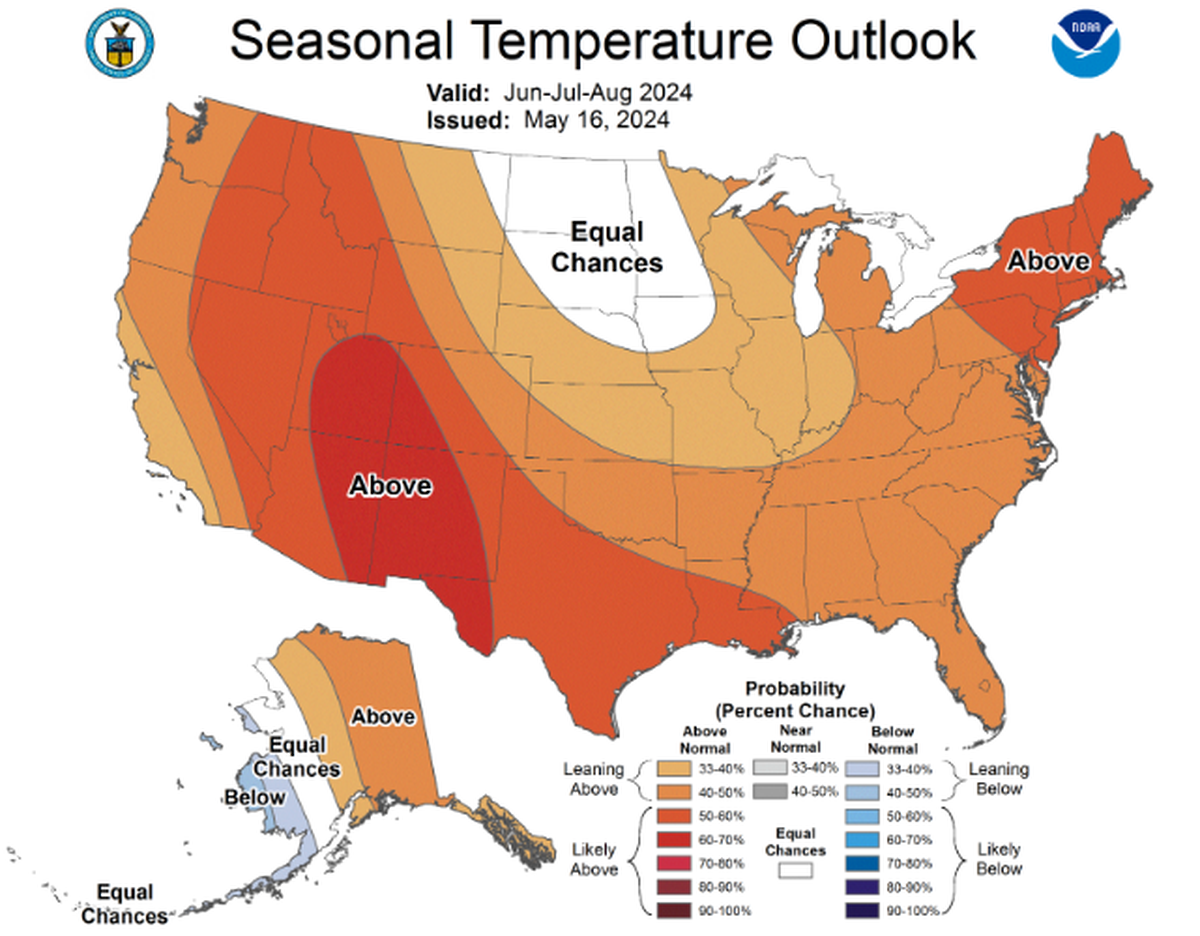
The NWS has reported that normal summer temperature highs range from 87 to 93 degrees in June, 93 to 94 degrees in July, and 92 to 94 in August. So, how much hotter could it get?
“From June through August, temperatures are forecast to run at least 2 degrees above historical averages across more than half of the country,” said Brian Lada, AccuWeather meteorologist.
Accuweather predicts that June and July will be extra wet and stormy, while August will bring the heat, but probably not enough for us to see a heat wave in the Peach State.
“Showers and thunderstorms will help to curb excessive heat across the Gulf Coast states,” said Lada.
However, it is still possible to have one or two extremely hot days this summer in Georgia.
To help further identify those days, the CDC and Climate Health Program created a Heat and Health tracker for the public to check how hot it will be on a specific date and check to see if the heat poses a threat to health.
For the month of June, the Heat and Health index shows that Georgians could have anywhere between zero and five days of dangerous heat.
You can check the heat and health tracker daily for your area online.
Currently in Middle GA, the Heat and Health tracker shows a minor heat risk through June 11, from Columbus to Macon.
What are some tips to stay safe and cool during extremely hot temperatures?
According to the NWS, pregnant women, newborns and children, elderly people and people with chronic illnesses are most vulnerable to the heat. Here are some tips to stay safe during hot summers:
Stay hydrated and take frequent breaks if you’re working outside
Limit strenuous outdoor activities
Dress for the weather
Avoid alcohol and caffeinated drinks
Minimize direct sunlight and wear sunscreen whenever outside
Stay inside near AC or use a portable fan
Take a cool bath or shower
Bring your pets inside for a drink of water
Don’t leave children unattended in hot vehicles for any amount of time
Check on anyone you know without AC
What else would you like to know about Georgia’s weather? Let me know in the comments or email me at cmadden@mcclatchy.com