
Bibb County proposes new tax cuts for seniors. Will it impact public money?
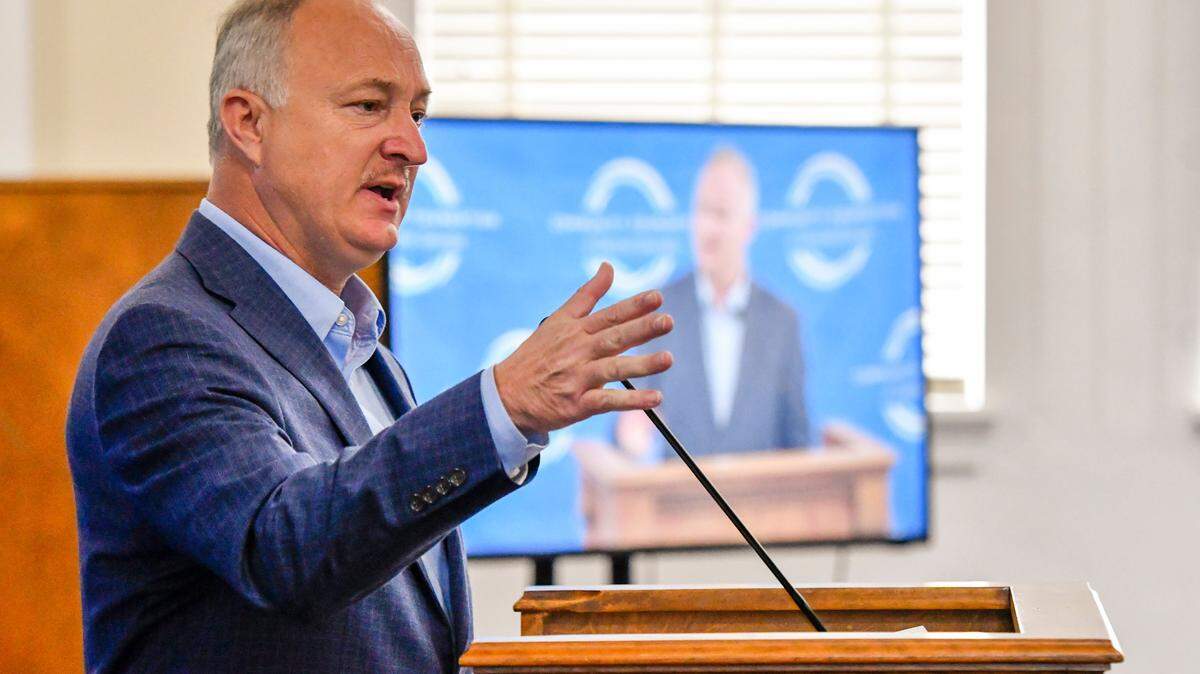
The Macon-Bibb County Board of Commissioners voted unanimously last week to approve a sweeping proposal that would reduce or eliminate property taxes for senior homeowners.
The proposal must be approved by the state legislature and go through a public referendum, but the new policy would create tiers of relief based on age.
According to the resolution, which was sponsored by Macon-Bibb County Mayor Lester Miller, residents 65 and older could claim an exemption for an additional $10,000; those 75 and older could claim $15,000; and residents 85 and older could be exempt from property taxes altogether.
The proposal would also eliminate income-based exemptions that Macon-Bibb County and the Bibb County School District currently offer.
Bibb County currently has two homestead exemptions available for homeowners. One is a general exemption of $7,000 for all residential homesteads, while the second is an additional exemption of $4,000 for residents over 65 who have an annual income of less than $10,000 without social security, disability or private public retirement benefits.
BCSD also offers the general homestead tax exemption, as well as a $10,000 exemption for residents over 62 who have an annual income lower than $10,000, minus federal or private public benefits.
The proposal would apply to taxes levied by both the county and BCSD, according to the resolution.
County hopes funding impacts won’t be significant
With less money coming into BCSD and county coffers, could residents see a decline in services?
Macon-Bibb County officials said it’s too soon to say.
Chris Floore, chief communications officer with Macon-Bibb County, said Tuesday the change in revenue would depend on how many people applied for the new exemptions and what the county’s millage rate is.
The millage rate is set annually by a county’s board of commissioners and board of education and — coupled with the state of Georgia’s rules setting the assessed value of a home at 40% of its market value — determines how much in taxes owners of a property must pay, according to the Georgia Department of Revenue.
Bibb County’s millage rate has consistently decreased under Miller, who took office in 2021. It is currently set at 9.575 mils, which is less than half of what it was before Miller took office, according to the county.
During an Aug. 28 press conference announcing the proposed changes to homestead exemptions, Miller said he is optimistic that he is optimistic the county won’t face disruptions to services even as property tax revenues decrease.
“We have moved our community forward by implementing policies that stimulate economic growth,” Miller said. “Those policies and investments have led to strong, continued growth in Macon, and it ultimately allowed us to reduce the tax burdens on our residents.”
County records show that while property taxes have decreased, other taxes and fees, including local option sales taxes, have increased under Miller. Between fiscal year 2020 and fiscal year 2025, the rate for local option sales taxes nearly doubled as rates for property taxes decreased.
Also during the Sept. 2 meeting, the commissioners approved a proposal that would allow the county to tax short-term vacation rentals.
School district tight-lipped about impacts
However, while Macon-Bibb County assured residents that services won’t be disrupted, BCSD had little comments to offer at this time regarding the proposed exemptions.
“The Bibb County School District is aware of the mayor’s intentions and the potential tax implications to the district,” said BCSD spokesperson Stephanie Hartley. “BCSD anticipates collaborating with the county in efforts to grow and support our community.”
The district deferred to the county on specific numbers regarding the exemptions’ potential impacts.
BCSD and the county haven’t always agreed when it comes to property taxes. While the county has consistently lowered its millage rate, BCSD kept its millage rate stable at 14.674 mils in fiscal year 2025.
It was the first time since 2016 the district didn’t lower taxes. It meant property taxes going up for homeowners in the district, but also millions of dollars more in school funding.
The district adopted a resolution in August maintaining the millage rate again, which would increase property taxes by an estimated 4.65% for homeowners and generate about $4 million in additional revenue.
BCSD cited a multi-million dollar deficit it is currently facing and financial uncertainties — including previously frozen federal funds — as reasons for not lowering taxes.