
Bibb County schools millage rate will cause slight tax jump. How it’ll help school budgets
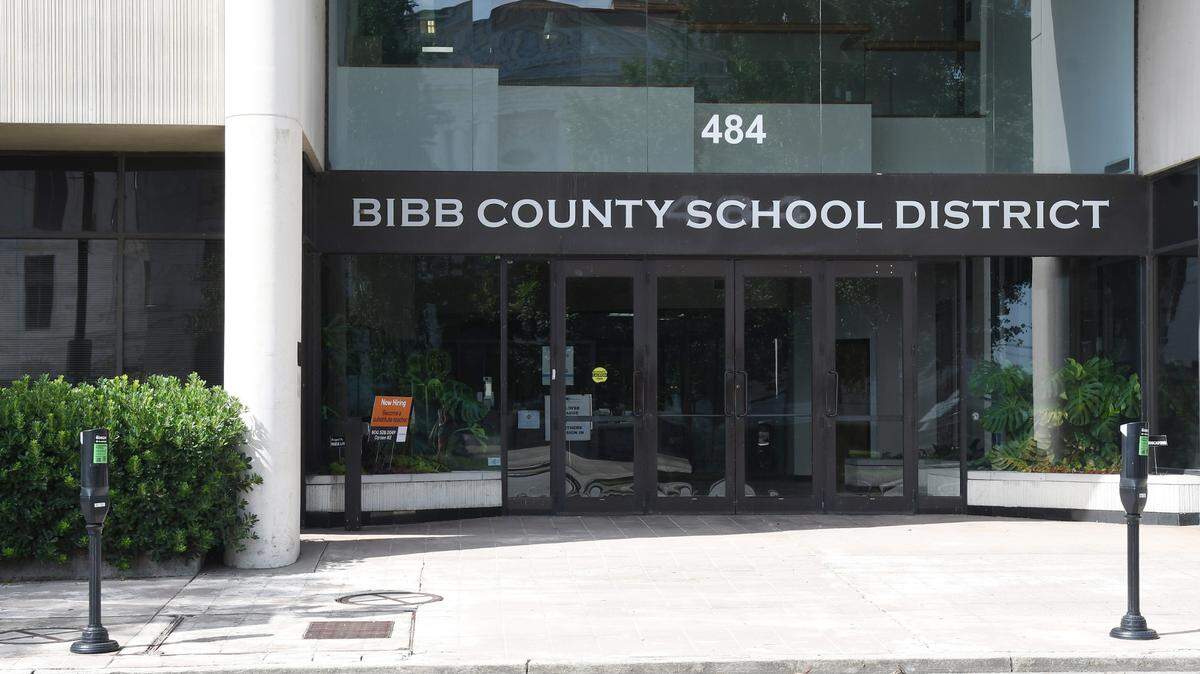
Bibb County schools’ 2025 millage rate is going to cause property taxes to increase, but it’ll bring millions in for the local school district.
After its third and final public hearing, the Bibb County Board of Education approved the school district’s millage rate for the 2025 fiscal year, leaving the rate unchanged at 14.674 mills.
The Bibb County School District has a history of lowering its millage rate, and the board’s decision on Tuesday evening marks the first time it has not done so since 2016, according to school officials.
School officials said the unchanged rate will add $4.32 million to the district’s fiscal year 2025 budget, at a time when the district’s priority is to support its educational programs, increase student achievement and become more competitive in hiring qualified teachers.
“We know that we need to attract and retain the best educators for our community’s most precious asset: the children of Bibb County,” Superintendent Dan Sims said in a two-minute informative video.
Teachers and staff leaders in Macon face significant discrepancies in pay compared to other Middle Georgia districts. Sims added that maintaining the millage rate won’t solve that problem, but it will help the district to address it more effectively by offering more opportunities and resources for students.
The decision will lead to a 5.67% property tax increase. This means that an average homeowner with a non-homestead property valued at $200,000 will pay $63.04 more in property taxes next year. An owner with the homestead exemption will pay $57.52.
The slight rise in property taxes will cost locals less than or about $5 per month, Sims said before calling for the community to commit to public education in another video.
BCSD spokesperson Jeremy Timmerman noted in August that if the school district did keep with its trend of reducing the millage rate, the board would have been required by law to raise the rate, resulting in severely higher tax increases.
“As a taxpayer, it may be preferable to pay a little bit more now and maybe a little bit more next year … as opposed to in two or three years having to take a big hit on your tax bill,” Timmerman said in the school district’s podcast.
School officials also noted in August that lowering the millage rate would put the district at risk of losing vital equalization funding, resulting in a loss of millions of dollars at a time when the district is already experiencing budget constraints.