
Transgender health care is scarce in Middle GA. Could city protections make a difference?
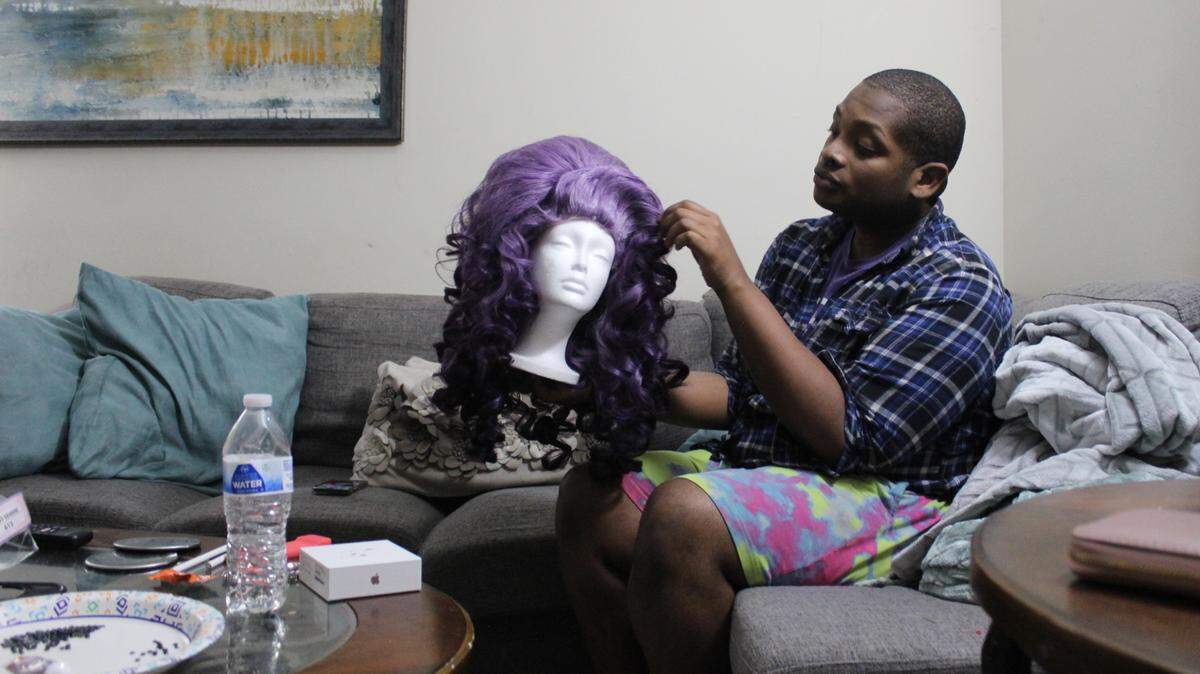
Yutoya Avaze Leon used FaceTime while a friend taught her how to inject her first estrogen shot.
Medically transitioning was unfeasible for Leon, who lives in Warner Robins, until a friend started supplying her with a hormone replacement therapy medication – rather than her getting it through a doctor.
“They were literally on a silver platter for me,” Leon said. “It’s that easy, but it’s not that easy for everyone.”
Several roadblocks, such as minimal anti-discrimination policies on local levels, have made it difficult for Leon and other transgender people to access gender-affirming health care in rural areas and mid-size cities.
Hormone replacement therapy can change a person’s physical appearance to align with their gender identity. For example, a trans person assigned male at birth can take estrogen, or a person assigned female at birth can take testosterone to increase certain hormones. The medication is a controlled substance and a doctor’s prescription is required to receive it.
There are no doctors who offer gender affirming surgeries or hormone replacement therapy in Middle Georgia. The nearest providers who offer this care or specialize in transgender health are in Atlanta, about a two-hour drive north of Leon’s home.
Leon works independently as a full-time drag queen with regular gigs in Macon, Warner Robins and Atlanta. She does not have insurance or a car, and can’t afford regular doctor’s visits, copay or medications.
She has even missed doses because of the effort it takes to retrieve the medication. Leon’s friend, who lives in Florida, occasionally travels to Georgia to give her estrogen vials and syringes for free, without a prescription.
“I have been on it since October, but on and off because I get it from her ... Whenever she’s here she’ll drop some off,” Leon said.
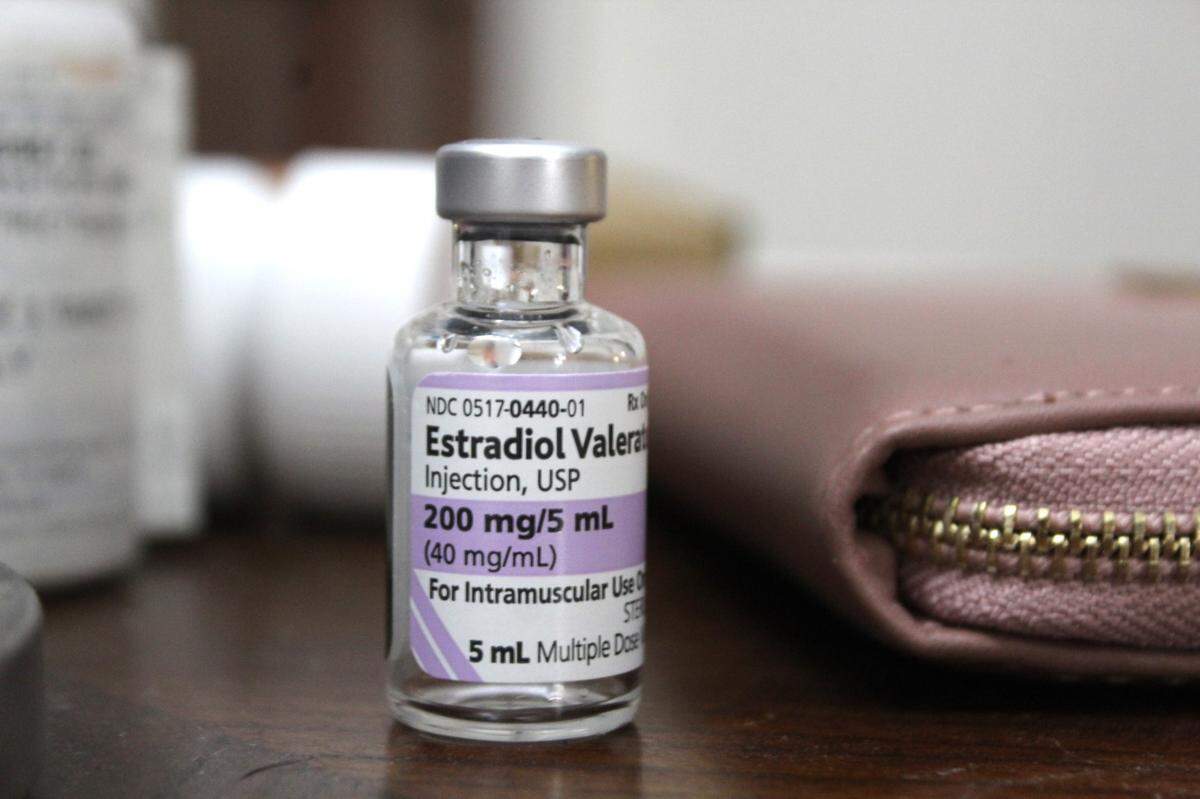
There’s no way to tell if the hormone dosage is suitable for Leon, as it is usually prescribed in accordance with a person’s unique lab results, and hormone levels can become unbalanced when a dose is missed.
Local legislative protections could be a step toward expanding medical services in Macon and Warner Robins, because those steps could protect transgender locals from facing discrimination in medical settings, advocates say. But those protections aren’t common in Middle Georgia.
Macon, Warner Robins lack anti-discrimination policies
Even the largest municipalities in Middle Georgia do not have comprehensive anti-discrimination protections for trans people.
An anti-discrimination ordinance in Macon-Bibb County protects people on the basis of gender only if they are a county employee. There are no other gender-based anti-discrimination policies in Macon, other than any outlined by state or federal law, which all counties must abide by.
Similarly, there is only one non-discrimination policy on gender-related grounds in Warner Robins, but it only protects people on the basis of gender when applying for a city permit.
Georgia does not have a law that prevents private employers, such as independent medical providers, from discriminating on the basis of a person’s gender, according to Georgia Equality. Medicaid in Georgia only covers treatment like hormone replacement therapy or gender affirming surgery when a patient proves they were diagnosed with gender dysphoria by a psychologist, which is defined as a “marked incongruence between their experienced or expressed gender and the one they were assigned at birth,” according to the National Institutes of Health. Many providers also require patients to take hormone replacement therapy before having surgery.
For those who aren’t protected, the only way to resolve an issue of discrimination is to file a nondiscrimination federal lawsuit, which can be costly and time-consuming.
DeMarcus Beckham, a Macon-based advocate, has led several pushes to gain LGBTQ+ protections in various Georgia counties for more than seven years.
Beckham said Macon Mayor Lester Miller shut down a request to expand the county’s current anti-discrimination ordinance, which would include protections for trans people in workplaces, housing, and public accommodations.
“We had a conversation with the current Mayor Lester Miller about introducing it again, and in the most generous of tones, I don’t have vile for the man, but he’s not my favorite person in the world,” Beckham said. “He did not want to see this legislation in his first term.”
Macon’s former mayor, Robert Reichert, rejected a similar anti-discrimination ordinance in 2020.
The Macon-Bibb County Commission initially approved an ordinance which would “prohibit discrimination in employment, housing and public accommodations based on race, religion, color, sex, disability, national origin, ancestry, sexual orientation, gender identity or military status,” according to previous reporting by The Telegraph.
Reichert vetoed the ordinance because he was concerned about potential community backlash.
“The anti-discrimination ordinance currently under consideration here in Macon-Bibb County is well-intentioned,” Reichert wrote in a letter to commissioners. “However, there has been much concern raised that when applied to LGBTQ and/or SOGI (sexual orientation and gender identity) individuals, the efforts to protect their rights perhaps interferes with the rights of other people.”
Miller and Warner Robins Mayor LaRhonda Patrick did not respond to The Telegraph’s requests for comment for this story.
Beckham plans to meet with Miller to discuss the issue again during his next term, which starts Jan. 1.
“The veto of that bill depressed the s*** out of me,” Beckham said. “We’re just not asking, we’re demanding these protections. This is the base level of protection that we can ask for ourselves when it comes to defending ourselves against discrimination.”
Georgia’s equal employment policy does not include discrimination of gender. It only prohibits discrimination of race, sex, age, disability, national origin, color or relation.
Only about 12% of the state is fully protected by anti-discrimination ordinances on the basis of gender identity in private employment, public housing and public spaces, according to the Movement Advancement Project.
While hormone replacement therapy and gender affirming surgeries are legal for adults in Georgia, these services are difficult to access when a city lacks legislative support for them. Minors are banned from accessing these treatments in the state.
Chanel Haley, deputy director of Georgia Equality, said a comprehensive non-discrimination ordinance would ensure fair treatment in spaces such as doctor’s offices, bathrooms and businesses.
“If someone says, ‘Hey, there’s a man in the women’s bathroom, and that person identifies as female, then that’s enough to escort them out and prosecute them,” Haley said. “Because there are no protections there.”
Ordinances regarding nondiscrimination of gender are usually based upon one’s physical appearance alone, rather than if a person poses an actual risk.
Those who are “passable,” or appear as the gender they identify with, Haley said, “move through society very easily, whereas others without that medical access or other reasons do not.”
Haley, who is a trans woman, lives in Atlanta and sometimes gives her own hormone replacement therapy to friends in Middle Georgia.
“What people revert to is buying hormones from people off the streets from someone like me,” Haley said. “But that’s the alternative to them not being able to get to the doctor and the care they need.”
This story was originally published October 3, 2024 at 5:00 AM.
CORRECTION: Chanel Haley resides in Atlanta. This information was incorrect in a previous version of this story.