
Macon schools delay vote on FY27 budget, face ‘hard decisions’ on $23M deficit
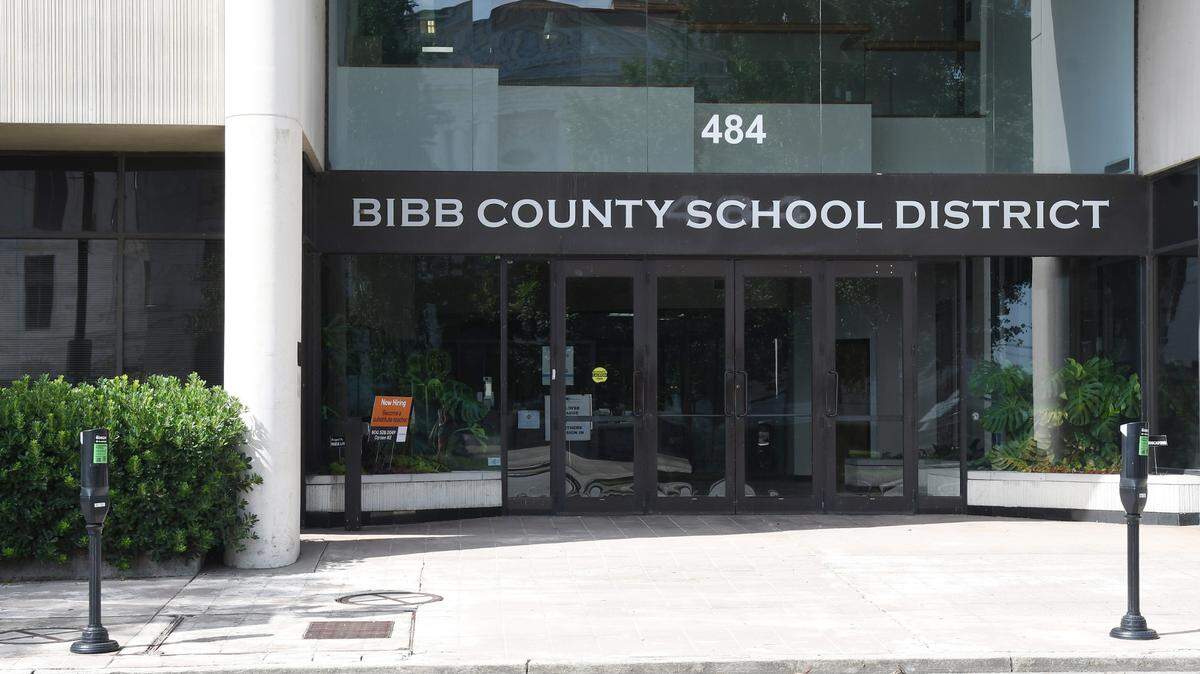
The Bibb County Board of Education delayed a tentative vote on the school district’s Fiscal Year 2027 budget, which includes a projected $23.8 million deficit and potential property tax increases to help stabilize finances.
The tentative adoption item, listed on the board meeting’s May 14 agenda, was changed from an action item to a presentation only after a unanimous vote.
“I wouldn’t feel comfortable voting on a budget that I cannot defend to the public that I knew what I was voting on ...,” board member Henry Ficklin said at the meeting, noting the board received the lengthy documents by email Tuesday, May 12, and was being asked to act on it less than three days later.
In response, Superintendent Dan Sims said most of the information had been shared for weeks throughout budget sessions and that the latest document was an update, not brand‑new material.
After outlining the district’s FY2027 budget challenges, Chief Financial Officer Eric Bush said the district will have to move quickly to adopt a budget by June 30, with two required public hearings scheduled before a vote can take place.
On Monday, May 18, the district said a final date for the tentative budget adoption has not yet been scheduled, though the public hearings will likely be adjusted in accordance with public notice guidelines.
What is the district facing?
Sims’ recommended tentative budget includes a roughly $23.8 million shortfall, according to Bush. That comes after the district closed the last fiscal year with a $21 million deficit and addressed a separate $5 million budget gap in January.
Several factors are driving the gap, including a decline of about 550 enrolled students, which reduces state funding, and a new state law requiring the hiring of 21 elementary literacy coaches that leaves the district responsible for about half the cost — roughly $1.2 million in local funds, Bush said. State-mandated benefit costs, such as health insurance and Georgia’s teacher pension fund, also continue to rise, he added.
With those financial challenges in place, district leaders said they are still focused on recruitment and retention efforts, staffing efficiency and stabilizing the district’s long-term finances.
To close the gap and stabilize the district’s finances over several years, Bush presented millage rate options.
Potential tax increase
The board voted last year to maintain the district’s millage rate, which created a nearly 5% property tax increase. But with operating costs continuing to rise, another tax increase may be on the horizon.
If the board keeps the millage rate unchanged, the fund balance would fall to what Bush described as a risky level and could become negative in future years.
“If we continue down this path without a millage rate increase adjustment, or some kind of extensive costs cuts we will end up with an ending fund balance of $24.3 million,” Bush said.
Georgia law generally limits school district fund balances, or surplus funds, to 15% of the current year’s total budget, but the $24. 3 million would put the district’s expenditure ratio at 7%.
A 2‑mill increase would improve the fund balance ratio in the short term but still allow it to erode over time, hitting a -6.9% expenditure ratio by FY29, according to Bush’s projections. A 2.23‑mill or 4‑mill increase would provide more stability, with a 4‑mill hike offering the strongest long‑term cushion.
“This tax revenue ... has not kept up with the pace of state‑mandated costs,” Bush told the board.
If adopted as presented with no millage rate increase or major cuts, the district’s estimated beginning fund balance of about $48 million would fall to roughly $24 million by the end of FY 2027.
Looking ahead to sustain costs
Board members pressed for more detailed information about how school consolidation and “right‑sizing” campuses would affect the budget.
James Freeman said he wanted to see clear dollar amounts tied to adjusting schools above the state’s recommended enrollment thresholds, not just estimates of savings from closing buildings.
The district is still considering previously discussed options to maximize funding and balance enrollment, including rezoning scenarios, school consolidation efforts, a review of staff contracts, and staff furloughs, if necessary.
“All of those … are in response to budgetary pressures, unfortunately, and a lot of those budgetary pressures are mandated costs that are beyond our control,” Bush said, adding the district will need a combination of cuts and other solutions. “We can’t cut ourselves out of operational expenses in this $23 million deficit.”
Bush said the district must make “hard decisions” now to “gain in the future” in response to board member Barney Hester’s question about plans for long-term outcomes.
All board members agreed to postpone a tentative adoption vote to allow more time for review.