
Bibb County Schools eye property tax hike due to federal freeze on $6.8 million
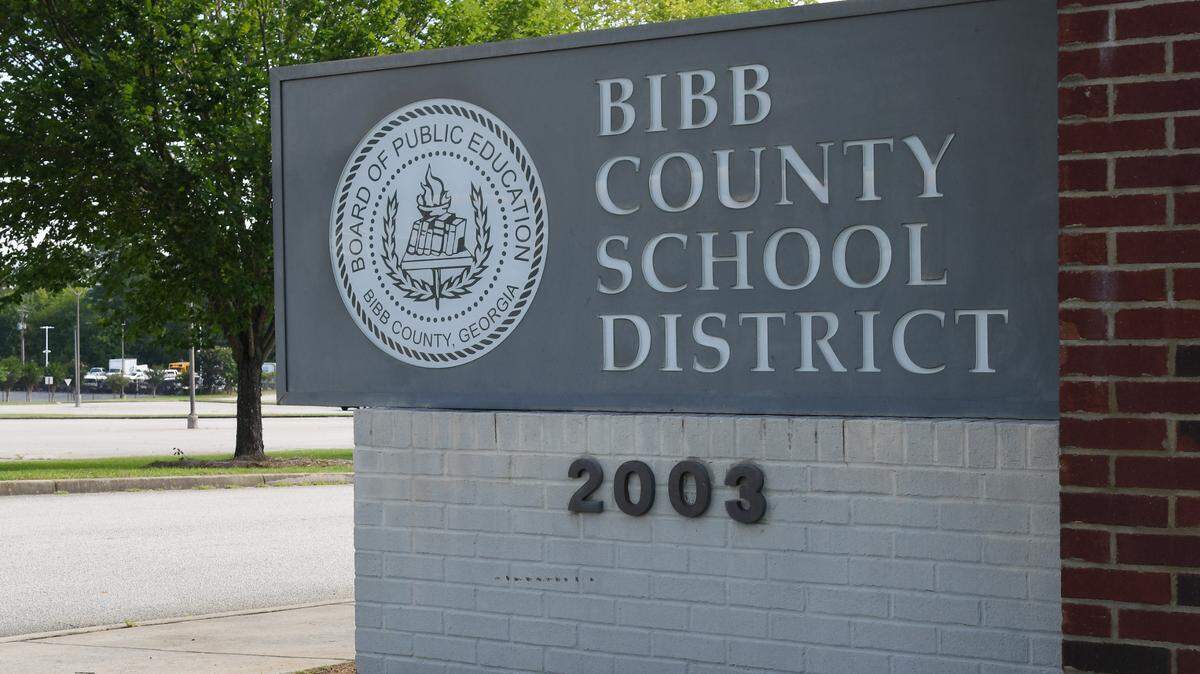
A federal funding freeze under President Donald Trump’s administration loomed large over the Bibb County Board of Education’s committee meeting Thursday, prompting concerns about district finances and the potential for higher property taxes.
The Trump administration withheld nearly $7 billion in congressional-approved K-12 education money just weeks before schools are set to reopen. At the board meeting, Bibb County school leaders said nearly $7 million of that total remains on hold for the district.
In response, the board voted unanimously to tentatively adopt a millage rate of 14.674 mills, a move that would increase property taxes by 4.65% for Macon residents.
“The proposed tax increase for a home with a fair market value of $200,000 is approximately $47.60, and the proposed tax increase for non-homestead property with a fair market value of $200,000 is approximately $52.16,” the district said in a statement Thursday.
Eric Bush, the district’s chief financial officer, said maintaining the current millage rate would generate about $4 million in additional revenue, providing some stability during the funding crisis. Two alternative options would have raised the rate further and brought in more revenue; those proposals are available on the district’s website.
Board member Daryl Morton asked when the district had expected to receive the frozen funds.
“Funds are released to the state on July 1, and then the state board of education would vote on that for the state of Georgia, that would’ve been this July board meeting, and then the funds could be dispersed to the school districts,” Lori Rodgers, BCSD assistant superintendent of district effectiveness and federal programs, said.
Morton said he supports the tentative millage rate adoption, citing recent national developments such as the Supreme Court’s decision to approve the dismantle of the U.S. Department of Education.
“These are funds that Congress approved, the president approved, and then they yank the carpet out from under us right at the last minute,” he said. “I’m not a fan of tax increases, but I think given our current circumstances, maintaining the current millage rate and not rolling back is prudent, and I also think is necessary.”
Board member Henry Ficklin agreed.
“I think that we are not doing our community or our school system a favor if we relax and sit back, hoping and anticipating that the money is going to be released,” Ficklin said. “What we have seen under this administration is that things … have changed, and we need to be more cautious about what we spend and appropriate.”
Three public hearings on the proposed millage rate will be held for public input prior to a final adoption. Two of those will be held on July 31 at 11 a.m. and 6 p.m. at the Professional Learning Center at 2003 Riverside Drive. The last hearing will be held at 5:30 p.m. on August 14 at the same address.
Impact of frozen millions on Macon schools
As the 2025–26 school year approaches with an Aug. 4 start date, Bibb County Schools leadership said it will continue to monitor the funding situation while preparing contingency plans for potential program adjustments if federal funds remain frozen.
The funding freeze threatens to impact district operations and student services that support after-school programs, professional development, migrant education and English language acquisition.
“We built our budget based on expected federal funds that are now held up by the Trump administration,” Ficklin said. “We need to reconfigure some items until funds are identified.”
Bush said the bulk of the funds, about $3.8 million, went toward Title IV — also known as the 21st Century Community Programs — for BCSD students. The program provides academic enrichment and support, tutoring, field learning experiences and more.
During the 2024–25 school year, the district registered 2,894 students across 29 different 21st CCLC sites during the regular school year and summer camp — where 86% of students attended regularly, according to district spokesperson Stephanie Hartley.
When asked about backup plans, Rodgers said the 21st CCLC programs don’t start until September, so administrators are waiting to see if the money will be released by that time. She added that the district will prioritize the areas where the programs are most needed, such as its federally identified schools.
The federal freeze also raised concerns about contracts that were under consideration and eventually voted on Thursday.
Superintendent Dan Sims said the district is still in a space of waiting, as it has been working closely with its legal counsel, Parker Poe, which he said is perhaps best suited for delivering timely updates.
“We want to acknowledge it as a freeze. It’s been called — I’ve seen several articles that what has happened been termed illegal,” he said.
After mentioning state leaders advocacy efforts, Sims said he will keep the board updated on where the funds intend to be allocated.