
GBI has no leads on skeleton found in Peach County. How do they investigate?
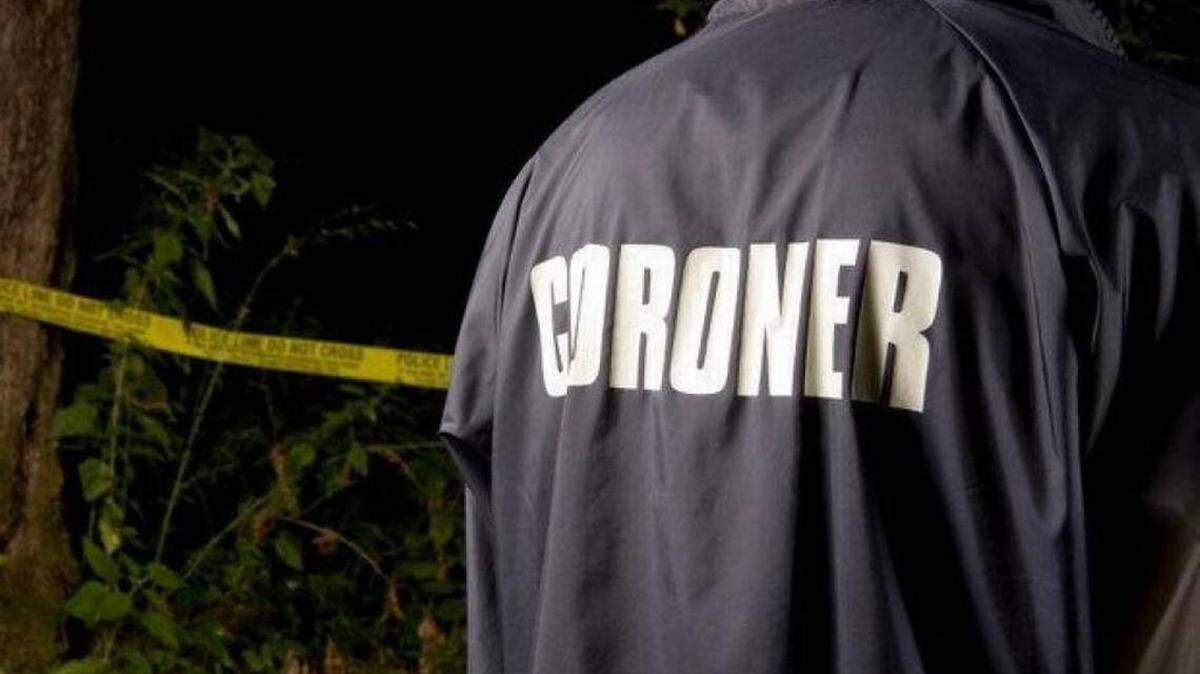
Medical examinations have resulted in no leads or identifying information two months after a human skeleton was found in Peach County, according to the Peach County Coroner’s Office.
The Georgia Bureau of Investigation’s Medical Examiner’s Office was working to exhaust all leads, according to Peach County Coroner Kerry Rooks and Ashley Garrish, the office’s director of medical operations. When investigators can’t identify remains, they may step away from the case, but it doesn’t close.
“A case of unidentified remains is not considered closed until the remains have been identified and returned to the family or others for final disposition,” Garrish told The Telegraph in an email. “A case may not be actively worked at all times, when all leads have been exhausted, but the case will not be ‘closed’ and will be reassessed as new technology becomes available.”
Investigators still did not know any details about the person, and how or when they died, as of Tuesday.
The remains were sent to the Medical Examiner’s Office days after a skeleton was found on May 6, on the side of Interstate 75.
Anthropology and autopsy exams were inconclusive and DNA results were still pending, according to Peach County Coroner Kerry Rooks. It’s “rare” for anthropology and autopsy exams to not lead to any identifying details, he said.
Those exams can help investigators find “any general race, sex, age (and) height estimates … as well as scars, past surgeries or other unique medical conditions,” Garrish said.
A few people called “to see if it was some of their family, but it wasn’t,” Rooks said.
The GBI will hold the skeleton at least for months until it gets permission or instruction on how to handle the remains.
“It takes a while. (The GBI) keeps the DNA, and eventually we’ll either get permission to cremate or whatever,” Rooks said. “They’re not fixing to be done all year long or longer.”
Garrish did not confirm if further steps have been taken to investigate the person’s identity.
The GBI’s next general protocols entail searching a handful of national identification databases and seeking out an artist.
First, a sketch or forensic artist may create a “reconstruction” of the person, Garrish said.
If there are still no leads, the GBI will upload the case information to the National Missing and Unidentified Persons System, which could help connect a person or family to the skeleton.
A laboratory then extracts a DNA sample from the human remains, and uploads it in the FBI’s Combined DNA Index System. Potential matches will usually only appear if the person previously had their DNA swabbed during an arrest or conviction, according to CODIS.
The GBI then extracts a DNA sample from the human remains to “(search) through forensic genetic genealogy databases, which will return possible families of the decedent, based on DNA comparison,” Garrish said.
The timeline and methods of investigating unidentified human remains vary by case, and “are dependent on the condition of the remains,” she said.
The skeleton discovery was still under investigation Tuesday afternoon.