
Hourly updates from the murder trial of UGA professor Marianne Shockley’s alleged killer
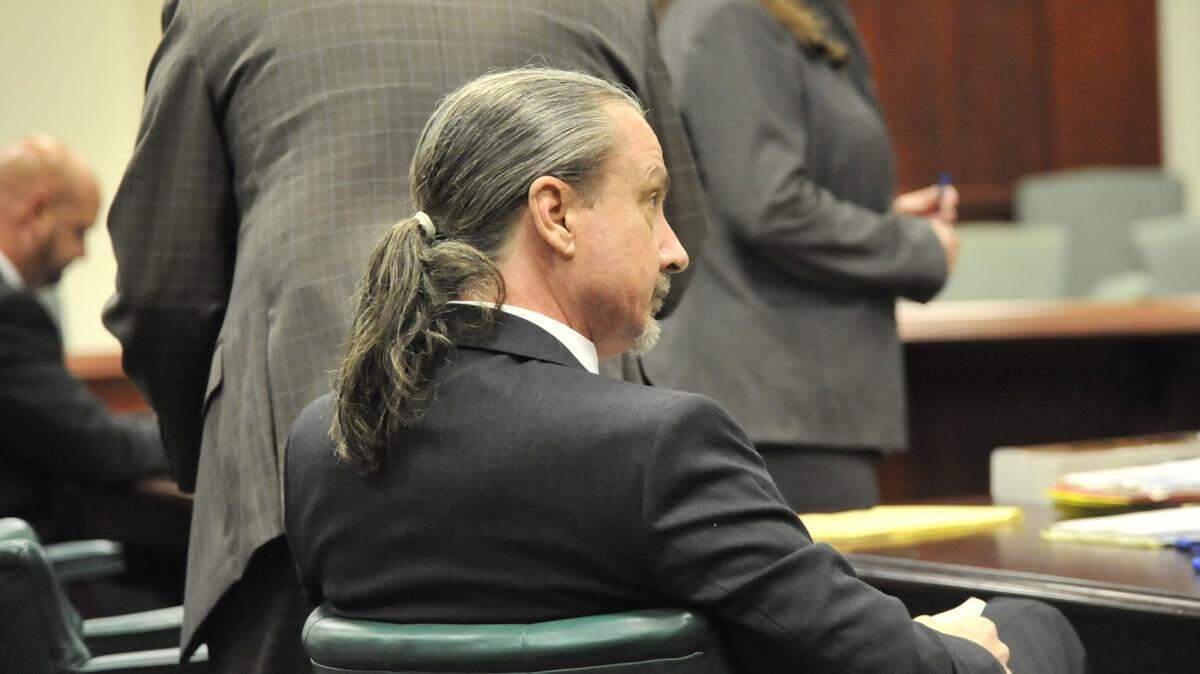
The second day of testimony is underway here in Baldwin County Superior Court in the murder trial of Marcus Allen Lillard. Lillard, 44, is accused of felony murder, aggravated assault, involuntary manslaughter and reckless conduct in the 2019 death of his sometimes-girlfriend, University of Georgia entomology professor Marianne C. Shockley. Testimony in the trial began Tuesday.
The following chronology will be updated throughout the day:
10:30 a.m. update: Prosecutors are calling witnesses who are thought to have received text messages and Facebook messages purportedly from Marcus Lillard around the time of Shockley’s death. The aim, it appears, is to show that Lillard, instead of calling 911, was for whatever reason enlisting the help of women he knew or knew of to advise him or help him resuscitate Shockley. At least a couple of the women were respiratory therapists. Another was a former EMT and another was a licensed massage therapist and poetry student, a close friend of Clark Heindel’s. It was at Hiendel’s house where Shockley died the night of May 11, 2019, on the eastern outskirts of Milledgeville. . . . The massage therapist took the stand and told of “Sunday night stoner parties” at Heindel’s place. The gatherings, she said, were nothing too wild, just get-togethers for music, drinking and marijuana use. She said Heindel, who was in his late 60s, at times used a strong, peyote-like hallucinogen that he had learned of on a “spiritual journey” to Peru. . . . Earlier before jurors arrived, Lillard was for the second day reading from a small copy of the New Testament. His lawyer, Matthew A. Tucker, told this reporter on Tuesday that he had encouraged Lillard to read from the Bible during “tough” times in court when subject matter was difficult.
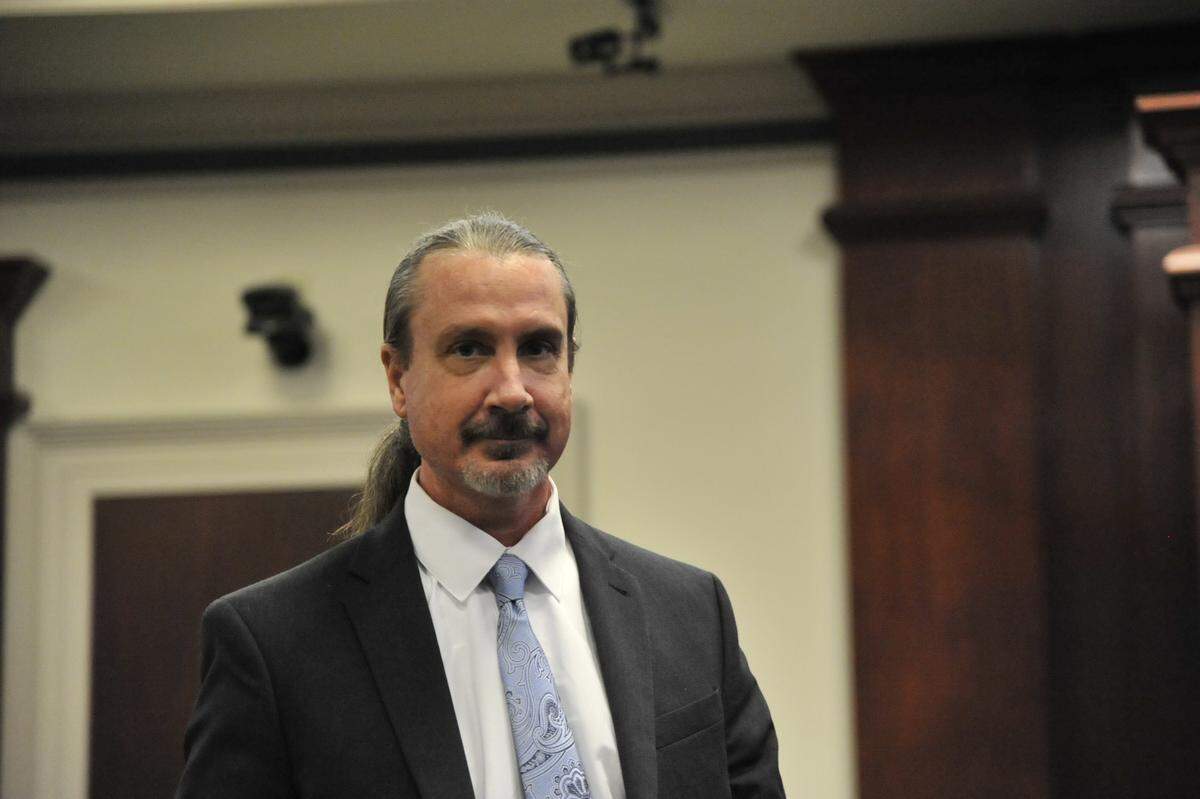
1:30 p.m. update: Prosecutors said in their opening statement that Lillard did not intend to kill Shockley. “He is not charged with meaning to kill her, but for killing her nonetheless. ... For choking her too hard for too long,” assistant Baldwin district attorney Nancy Scott Malcor said. . . . A conviction of Lillard hinges, of course, on whether jurors agree with any of the multi-pronged allegations he faces. One being whether he committed the crime of aggravated assault, a felony. That is, that he acted “offensively” in a manner that was, as Georgia law declares it, “likely to or actually does result in strangulation.” If the state meets that burden, jurors could decide that felony murder was committed. But Lillard also is charged with involuntary manslaughter and reckless conduct. Involuntary manslaughter can be a misdemeanor under certain circumstances, but the charge in Lillard’s case implies that, as the law notes, “in the commission of an unlawful act ... he (caused) the death of another human being without any intention to do so.” Reckless conduct, a misdemeanor, could be such an unlawful act. It is defined as “a person who causes bodily harm to or endangers the bodily safety of another person by consciously disregarding a substantial and unjustifiable risk that his act or omission will cause harm or endanger the safety of the other person and the disregard constitutes a gross deviation from the standard of care which a reasonable person would exercise in the situation.” . . . Shortly before 11 a.m. on Wednesday, medical examiner Dr. Melissa Sims-Stanley testified about Shockley’s cause of death. The doctor said Shockley died of strangulation. “Her injuries were classic, textbook classic, for manual strangulation,” Sims-Stanley said. Shockley was also said to have had a blood-alcohol level of .11 at the time of her death and also had the drug ecstasy in her system.
2:25 p.m. update: The state has begun calling to the witness stand women who say Lillard choked them or put his hand on their necks and applied pressure during sexual encounters. The testimony is aimed at showing a pattern of behavior from Lillard that prosecutors contend matches their theory of how Shockley was strangled. . . . Because of the sensitive nature of the testimony, Judge Alison T. Burleson ordered news outlets not identify the women. . . . The first woman to testify was in her mid-30s, an ex-girlfriend of Lillard’s who met him about a dozen years ago. The woman said Lillard was at times “very charming, very sweet” and was “very kind in a lot of ways.” But she said that when they got drunk and did drugs, including crack cocaine, that their sexual encounters began to “take off” in an “extreme manner.” . . . The woman said that when Lillard was on drugs “nothing was off limits.” She recalled an episode that happened after partying “all day” at Lillard’s house when they had sex and “he had his hand around my throat and started to put a lot of pressure there.” She said she began to “black out” and “next thing I know I was unconscious on the floor.” The woman said she was “terrified” and also “angry” because of Lillard’s nonchalance at her having passed out. . . . The woman said their relationship waned after a sexual encounter in which Lillard held her down and struck her face after she told him to stop. She said Lillard “told me to take it.” The woman said she thought to herself, “This is your boyfriend and this is how he’s treating you.” She said they were together off and on another six months or so “because sometimes he was really nice and I didn’t want to be alone. I really didn’t want to be alone.” . . . She said that after she learned of Shockley’s death she spoke to the GBI and told investigators about “that time he choked me out.”
3:50 p.m. update: The next woman called to the stand said Lillard had applied “a little bit” of pressure on her neck while they were having sex but that she told him to stop and she did. The woman said that after they stopped seeing each other that she still considered Lillard a friend. . . . Another woman testified next and said she and Lillard had a sexual relationship and that he choked her during sex but with her consent. “Not too often,” she said. “But I wanted it done. It was something that I asked for.” She said she briefly lost consciousness once but that it didn’t frighten her.
4:15 p.m. update: A man who Lillard knew from a car dealership where they both worked testified that he and Lillard had smoked crack cocaine together. The man, Johnny “Bud” Mitchell, worked as an automobile detailer at the car lot. Prosecutor Malcor asked Mitchell if Lillard was popular with women. “We both are popular with women,” Mitchell said as laughter broke out in the courtroom. Malcor then asked Mitchell if he had ever told the authorities about having a conversation with Lillard about “choking women.” Mitchell said that perhaps he had but that he was on drugs at the time. . . . Malcor asked whether Mitchell had in fact spoken to the GBI and given them a statement about Lillard in 2019 after Shockley’s death. Malcor showed him the statement and Mitchell said he couldn’t much read it as he didn’t have his glasses. A courthouse official handed Mitchell a magnifying glass but to no avail. The statement was read to Mitchell and he was asked if that refreshed his memory. “Sort of,” he said. Malcor, undeterred, asked, “Did you ever talk to the defendant or warn him about choking people?” To which Mitchell replied, “Maybe.” Then, paraphrasing the statement, Malcor asked Mitchell if he had told Lillard that Lillard was “going to kill” some woman if he went on choking them during sex. “I probably did” say that, Mitchell answered. “Yeah, I guess so.”
5 p.m. update: As the afternoon’s testimony concluded, four more women, sex partners of Lillard’s, took the stand. The first described her relationship with Lillard as “casual.” They didn’t so much date, she said. Malcor, the prosecutor, asked the woman if Lillard had ever choked her during sex. “He tried to,” the woman said. “I stopped him. He didn’t fight back. He wasn’t aggressive. He respected my wishes. ... I told him no.” The woman said Lillard tried to choke her again during another encounter and she again told him not to and he stopped. She added that Lillard was “very sexual and he liked rough sex. That was his thing.” The woman said that despite the sensitive and personal nature of her testimony that she wanted to come to court and tell her story “for Marianne’s family.” . . . The next woman to testify said she met Lillard through work and said they became intimate five years ago. “It was short-lived,” she said of the relationship. She said Lillard choked her during sex but that it was consensual and that she never lost consciousness. “He’s a good guy,” she said. . . . The next witness said she dated Lillard a few times in 2016. As she spoke of a sexual encounter they had, the woman teared up. She said Lillard had choked her and that she didn’t want him to. Even so, she said she didn’t stop him. “I had been through a tragic event (months earlier) and I didn’t have much will to live,” she said. The woman went on to say, “I felt like I was fainting and he just stopped.” She said she was never with Lillard after that because of the choking. She said she told him that he was “not good for me.” . . . The last woman to testify on Wednesday said she and Lillard had sex once about half a decade ago and that he tried to choke her and she objected. She said he stopped. The woman also later dated Clark Heindel, who owned the house where Shockley died and was a close friend of Lillard’s. The woman said that during the time she and Heindel were seeing one another and having sex that he never tried to choke her. The reason prosecutors asked the woman about her sexual encounters with Heindel and whether he tried to choke her was a measure to fend off Lillard’s potential defense strategy that it was Heindel who strangled Shockley. . . . The trial was expected to resume at 9 a.m. Thursday.
Case Background
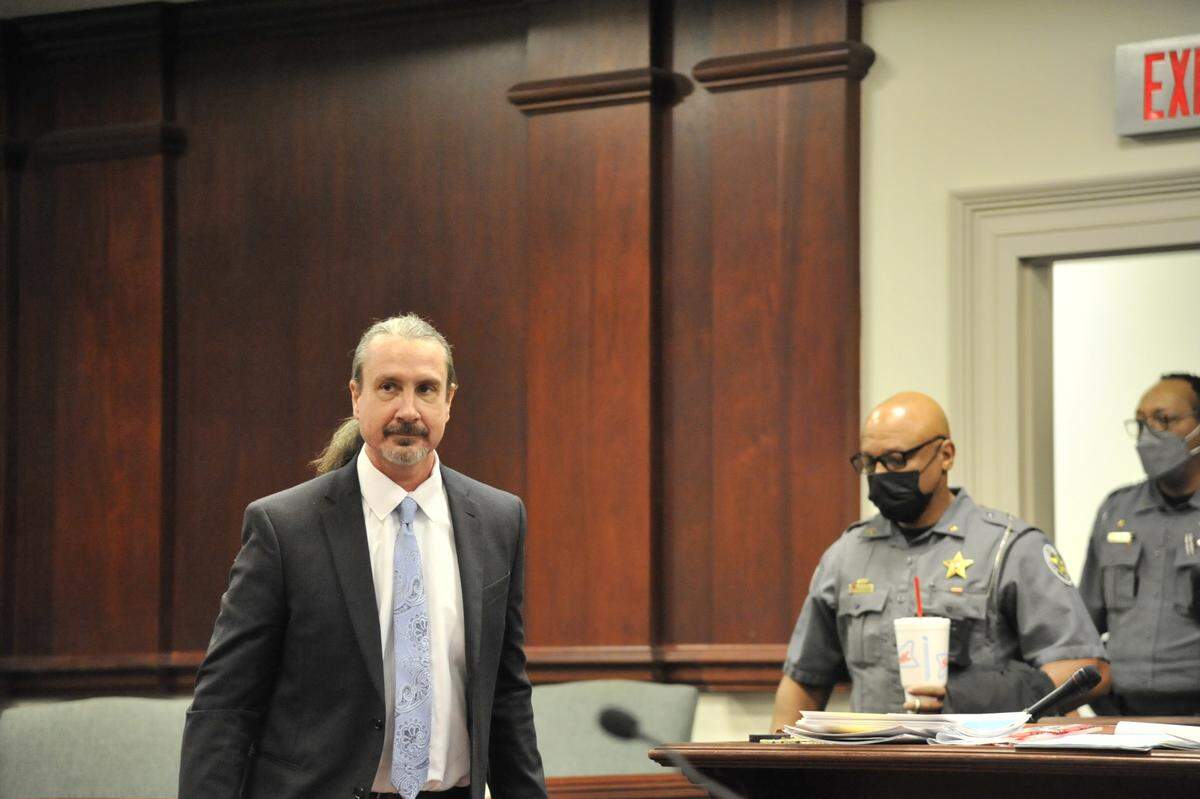
Paramedics and sheriff’s deputies were called to a home on the eastern outskirts of Milledgeville in the small hours of May 12, 2019. Lillard and Shockley, a divorced mother of two teenagers, had arrived at 115 Watson Reynolds Road the evening before to visit Clark Heindel, an acquaintance of Lillard’s, who lived there.
Shockely was found lying dead at a poolside. At first it appeared she may have drowned. Lillard and Heindel were seen by deputies and EMTs apparently trying to resuscitate her. Investigators later learned that the trio had beer, smoked marijuana and possibly used other drugs. An autopsy revealed that Shockley, 43, who lived in Morgan County between Madison and Athens, had been strangled. Investigators have suggested she may have died a couple of hours before the 911 call.
What happened to Shockley — who killed her and why — have largely remained a mystery. Lillard first met Shockley when they were in college. They later reconnected, dated and traveled together. Lillard has been jailed since his arrest the day after Shockley died.
Soon after the authorities arrived at Heindel’s house the night Shockley died, Heindel shot himself, committing suicide. A GBI agent testified at a hearing a month later that Lillard had given varying accounts of Shockley’s fatal episode. It is likely that his defense will point a finger at the late Heindel.
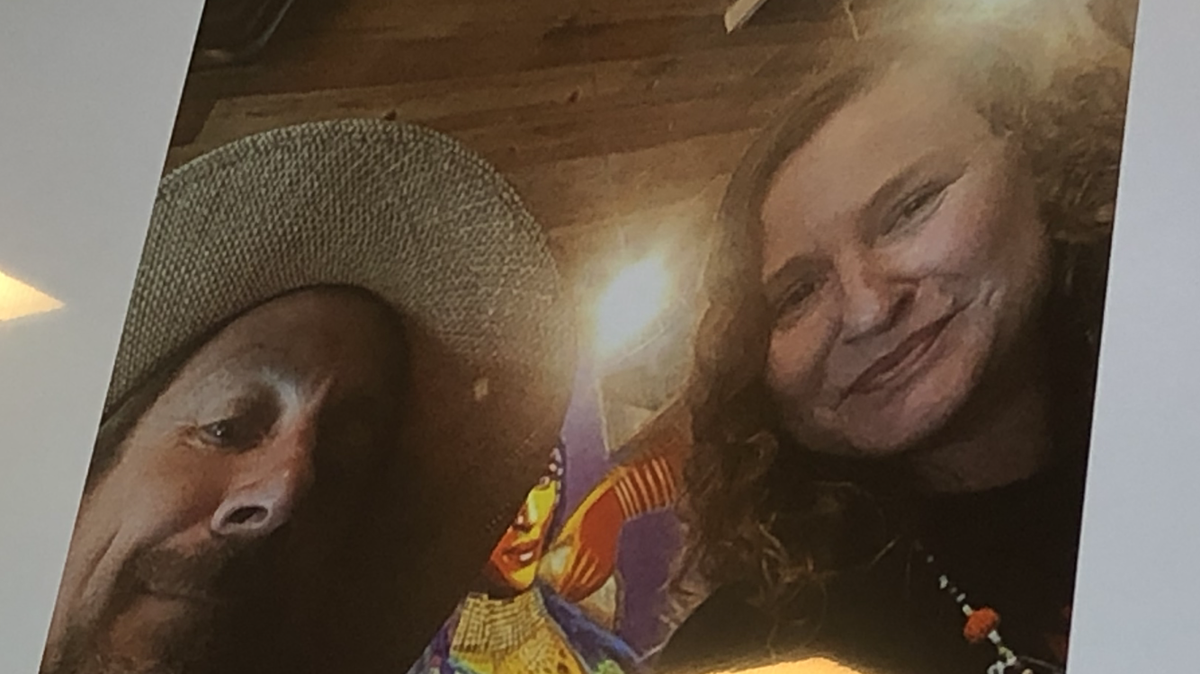
This story was originally published April 6, 2022 at 10:26 AM.