
Live updates from the murder trial of UGA professor Marianne Shockley’s alleged killer
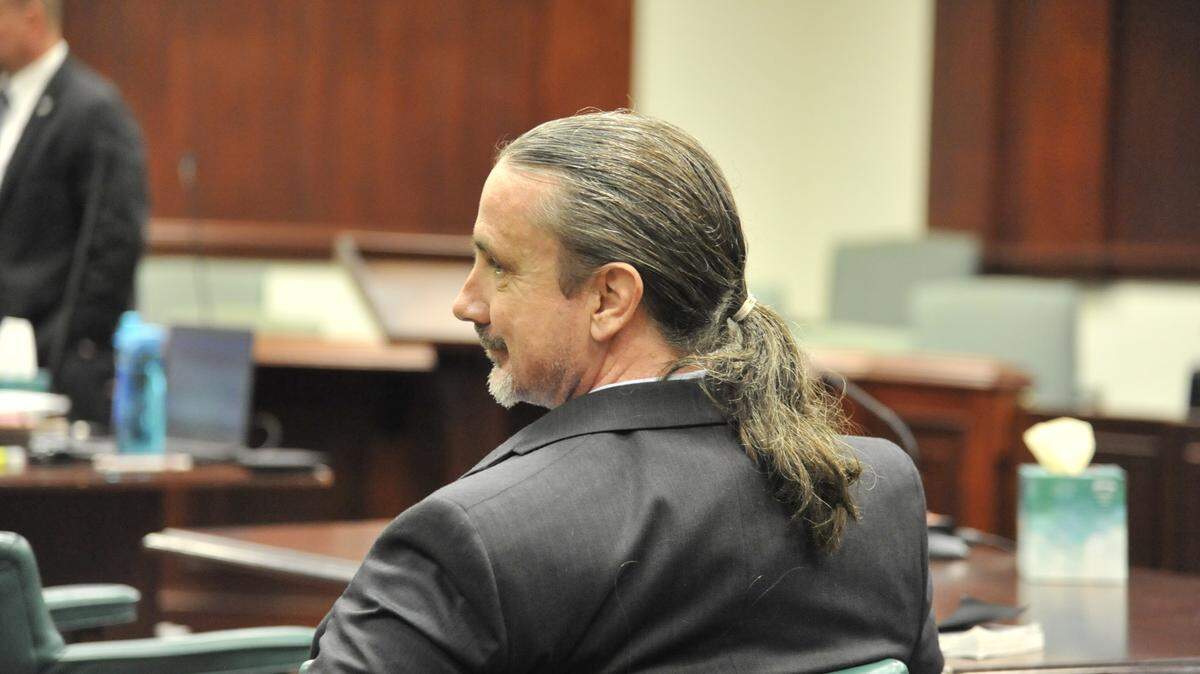
Opening statements began here Tuesday in Baldwin County Superior Court in the murder trial of Marcus Allen Lillard. Lillard, 44, is accused of felony murder, aggravated assault, involuntary manslaughter and reckless conduct in the 2019 death of his sometimes-girlfriend, University of Georgia entomology professor Marianne C. Shockley.
The following chronology will be updated throughout the day:
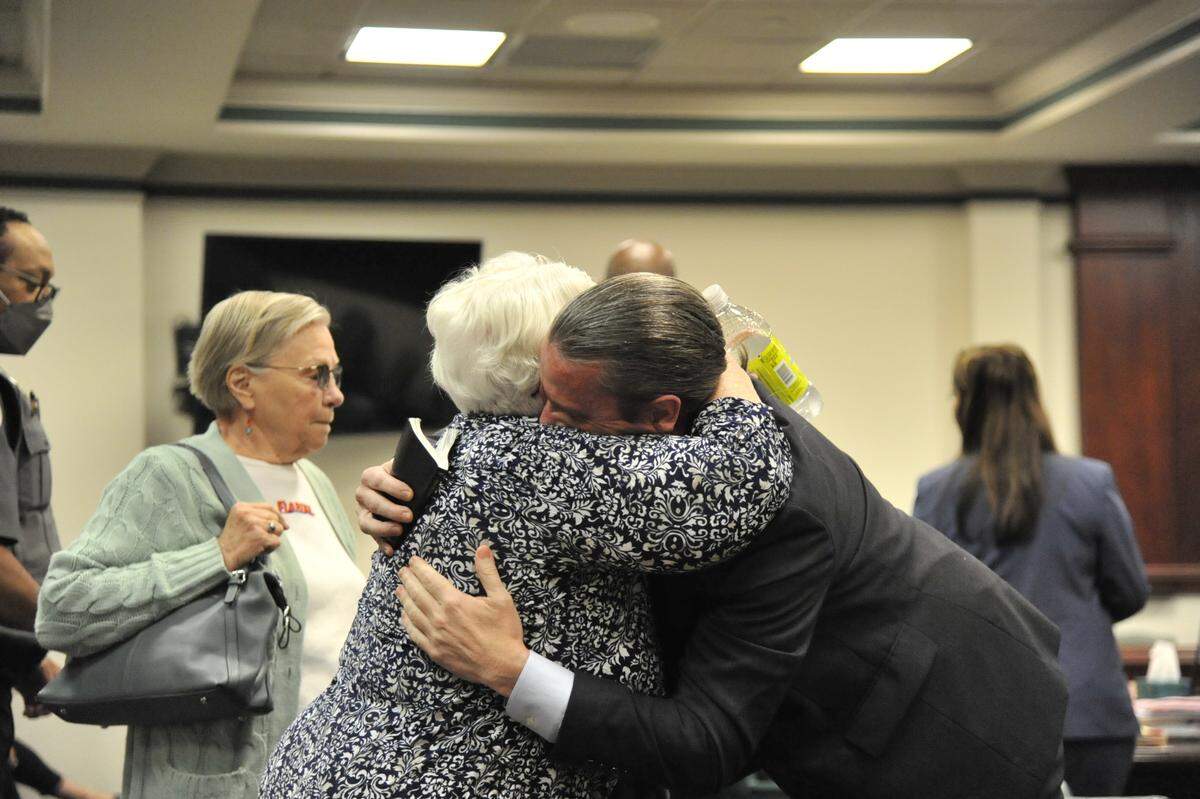
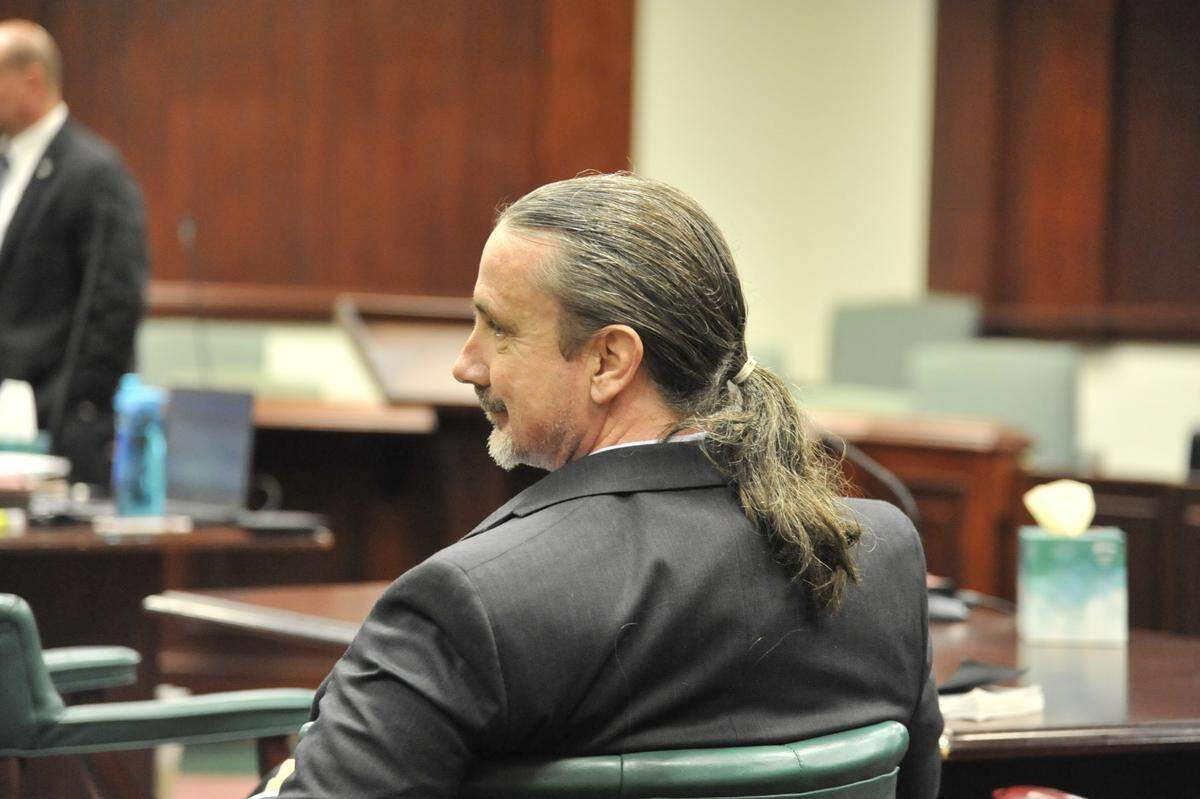
10:30 a.m. update: Marcus Lillard is seated beside his attorney, Matthew A. Tucker. Lillard has a small copy of the New Testament in the breast pocket of his slate suit. He was reading the Bible in the minutes before jurors were seated. He also hugged his mother, Elsie, sitting in the front room of the courtroom gallery behind him. . . . During opening statements, prosecutor Nancy Scott Malcor said that on the night of Shockley’s death that Shockley and Lillard had gone to the home of Clark Heindel, a former family therapist who owned a yoga studio in Milledgeville. . . . Malcor said the three listened to music and that there was drug use — marijuana and ecstasy. . . . The prosecutor said that Heindel called 911 at about 1 a.m. on May 12, 2019, to report that Shockley had been found unresponsive in a hot tub. Malcor said Lillard at first told the authorities that he had gone into some woods near the house to collect firewood to build a fire. Malcor said Lillard told the authorities that he returned to see Shockley not breathing and at some point wondered if perhaps she was “faking it” for attention. . . . The prosecutor went on to say that the state’s theory is that Lillard had actually choked Shockley during a sex act, something he had done to other women in the past but that most of them never lost consciousness. Malcor said Lillard also failed to promptly call 911. . . . After authorities arrived that night, Heindel went inside his house and killed himself with a shotgun blast to the head. He left a note, which according to Malcor read, “I don’t know what happened to Marianne, but it happened on my watch.” Malcor said Heindel’s note included an apology to Shockley’s family and concluded, “I’ve had a blessed life but it’s time for me to go.” . . . Malcor said the state will not seek to prove that Lillard intended to kill Shockley. “He did not,” Malcor said. “And he is not charged with meaning to kill her, but for killing her nonetheless. ... For choking her too hard for too long.”
10:45 a.m. update: In his opening statement, defense attorney Matthew A. Tucker said prosecutors had taken a theory of how Shockley may have died and run with it, that the accusations against Lillard were baseless. He said the state was throwing “everything and the kitchen sink” at Lillard. . . . Tucker said Shockley and Lillard had spent the day “out having a good time,” that they were about to travel together to Ecuador on a trip with some of Shockley’s students. . . . Tucker said Lillard gave ecstasy to Shockley and Lillard and that the “high dose” left Lillard unable to “understand what was truly going on” when Shockley lost consciousness. . . . Tucker said his client returned from searching in the woods for firewood to learn from Heindel that “something’s wrong with Marianne.” . . . Tucker said Lillard, frantic, telephoned his ex-wife, a respiratory therapist, and asked her what he should do to resuscitate Shockley, that during this “tragic incident, he’s begging, he’s trying” to save Shockley. . . . Tucker said Lillard’s accounts of the night to investigators “are inconsistent because he was drugged.” . . . The attorney said there are no signs that Lillard and Shockley had sex, suggesting that Lillard would not have engaged in such behavior in front of Heindel. . . . “Marcus Lillard is not guilty,” Tucker said.
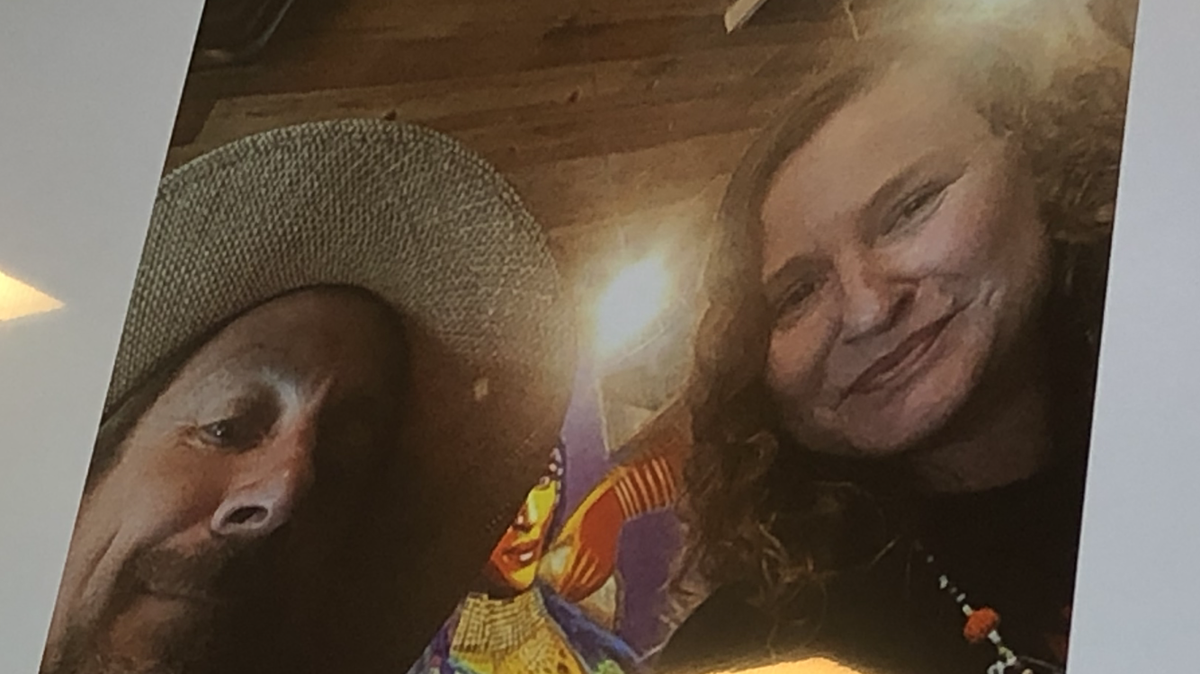
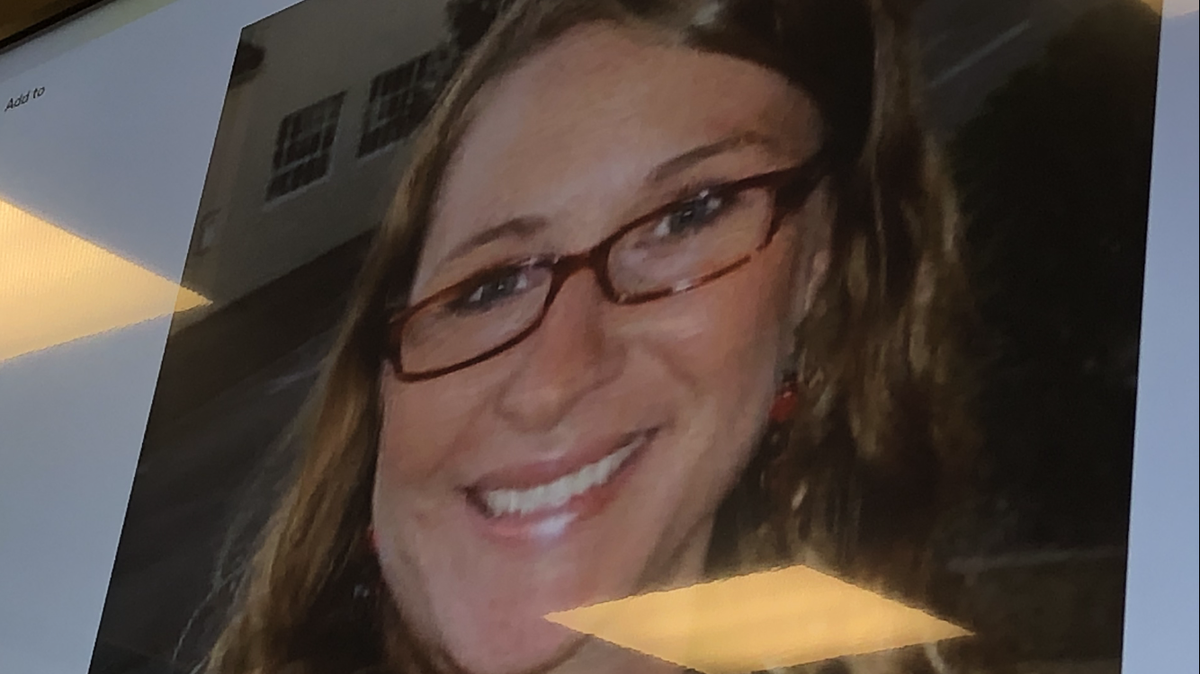
11:15 a.m. update: Ayla Crippen, Shockley’s sister, testified that Shockley had a way of “really reaching people” as a teacher. “She had a gift,” Crippen said. . . . She said that her sister and Lillard had in the past traveled to China and across the U.S. on college-related trips. . . . Crippen said Shockley ran a “bug camp” for students and was renowned as an insect guru. “Marianne just had an affinity for loving everything, but especially insects and bugs” and how to make them seem not so scary, Crippen said. . . . Crippen testified that Shockley’s teenage daughter hadn’t wanted Lillard around their house and that Shockley would go to Milledgeville to visit him instead. Crippen said her sister’s relationship with Lillard was an open one and that her sister had confided that she and Lillard “had a lot of sex when they saw each other because they didn’t see each other ... for spans of time.”
12:30 p.m. update: Baldwin County sheriff’s Lt. Andrew Brantley took the stand at 11 a.m. and described having arrived at Heindel’s pool deck the night of Shockley’s death. Brantley said Lillard was nude when he first got there but later wrapped a towel around his waist. Shockley, lying by the pool unresponsive, was also naked. . . . Brantley said that Heindel and Lillard appeared to be trying to do CPR but that their actions were “very sporadic.” Said Brantley: “One-handed CPR didn’t seem appropriate.” . . . Brantley said he asked Lillard what had happened and that Lillard said Shockley had been in the hot tub and drowned. Brantley said Lillard mentioned having gone into the woods nearby to collect wood to build a fire and that when he returned Shockley was unconscious. . . . Footage from Brantley’s body camera was played for the jury. Lillard can been seen with a blue-and-white-striped towel around his waist, lamenting to deputies, “We should have called y’all to start with.” He went on to say that he thought at first that Shockley “might was putting on a little ... for some extra attention, to be shown some love,” referring to her unconsciousness and how he’d wondered if she were just being playful. Lillard said it seemed for a time that Shockley was coming to but did not. . . . Lillard, in the body-cam footage, told the cops that he emerged from the woods on his firewood-seeking excursion and, upon seeing Shockley not breathing, figured he could revive her. “I thought I knew enough that I could help my baby,” he said. . . . Lillard said that he thought he felt Shockley breathing at times, but acknowledged that “maybe it was my optimism.” . . . Brantley testified that Heindel at one point, upon learning that the cops were considering Shockley’s death a suspicious one, asked to call an attorney. . . . Minutes later, Heindel took his own life. . . . Brantley, when questioned by prosecutor Tammy Coffey, said Lillard’s statements that night “were all over the place. ... He told me an ever-changing version of events.” . . . The sheriff’s lieutenant also said Heindel didn’t say much to anyone that night. . . . Brantley said he found it odd that Lillard “was very accurate” in his recitation of Shockley’s age, address and zip code when asked about who she was, but that Lillard couldn’t clearly recall the events around the time of her death. . . . Baldwin sheriff’s Sgt. Brandon Towe testified just before the trial’s lunch break that he photographed the spot where Shockley’s body had been on the pool deck when officers first got there. The concrete was blood-stained. Leaves, possibly from a hydrangea plant, were scattered around the area where Shockley had been lying. . . . Towe said he also snapped a picture of a stack of firewood. The dozen or so cut logs were neatly arranged near a makeshift fire pit. Towe said he found the stack noteworthy because of Lillard’s claim that he had trekked into the woods in search of wood to burn.
2 p.m. update: GBI agent Brian Hargrove, who was working at the time of Shockley’s death as a crime-scene technician, was the first to testify after the midday break. He told of being called to Heindel’s house to take photographs and document potential evidence. Among the photos he took were pictures of blood stains at the poolside and, on a kitchen counter in the house, a book about tarot sitting near Heindel’s suicide note. . . . Hargrove read portions of the note in court, but said some of the writing was illegible. A part that he read said Heindel was “very sorry for what happened to Marianne because it happened under (my) watch.” The note concluded with instructions for what to do with Heindel’s belongings and his “last wishes,” Hargrove said. . . . The agent said a liquid substance found in a couple of cups by the pool showed signs of possibly being a hallucinogen.
4:45 p.m. update: Lillard’s ex-wife, Adrianne Leonard, who is a respiratory therapist, took the witness stand after Hargrove and said she had been at work at the Eatonton hospital the night of Shockley’s death. She said she rarely heard from Lillard, that they had been divorced for more than 20 years, but that night her phone rang and it was Lillard. She said from the sound of his voice that she “could tell he was under the influence of something. ... He was contradicting himself and mumbling and it was just not his normal conversation.” . . . The call lasted a minute or so. Leonard said she knew of Lillard’s relationship with Shockley, that they were dating, and that Lillard told her on the phone that night that Shockley was “kind of breathing ... and we’re currently doing CPR on her and what’s the quickest way to get her back to breathing?” Leonard said she told Lillard to call 911, but that Lillard soon hung up. Jurors were shown a screen shot of Leonard’s phone that showed the call coming in at 11:20 p.m. More than 90 minutes would pass before Heindel called 911. . . . In court on Tuesday at about 4 p.m., tornado sirens wailed outside in downtown Milledgeville as strong storms roared across the region. Jurors and others took shelter in the courthouse basement. Testimony was suspended for the rest of the day and expected to resume at 9 a.m. Wednesday.
Case Background
Paramedics and sheriff’s deputies were called to a home on the eastern outskirts of Milledgeville in the small hours of May 12, 2019. Lillard and Shockley, a divorced mother of two teenagers, had arrived at 115 Watson Reynolds Road the evening before to visit Clark Heindel, an acquaintance of Lillard’s, who lived there.
Shockely was found lying dead at a poolside. At first it appeared she may have drowned. Lillard and Heindel were seen by deputies and EMTs apparently trying to resuscitate her. Investigators later learned that the trio had beer, smoked marijuana and possibly used other drugs. An autopsy revealed that Shockley, 43, who lived in Morgan County between Madison and Athens, had been strangled. Investigators have suggested she may have died a couple of hours before the 911 call.
What happened to Shockley — who killed her and why — have largely remained a mystery. Lillard first met Shockley when they were in college. They later reconnected, dated and traveled together. Lillard has been jailed since his arrest the day after Shockley died.
Soon after the authorities arrived at Heindel’s house the night Shockley died, Heindel shot himself, committing suicide. A GBI agent testified at a hearing a month later that Lillard had given varying accounts of Shockley’s fatal episode. It is likely that his defense will point a finger at the late Heindel.
This story was originally published April 5, 2022 at 11:09 AM.