GA is heating up and so is snake season. See which are venomous, what to do if bitten
The weather is warming up in Georgia and with it comes more time outside in the sun. However, the spring and summer heat also brings out slithering creatures.
Georgia has one of the most biodiverse landscapes for snakes, with around 47 species of snakes, according to the Georgia Department of Natural Resources (DNR).
Snakes in the Peach State “can be found from the mountains of northern Georgia to the barrier islands along the Atlantic coast,” in urban and suburban areas alike. So, a human encounter with a snake is bound to happen at some point or another.
So, it’s best to know if your encounter is a friendly one or a potentially lethal one. Out of the 47 species of snakes in Georgia, six are venomous and only three represent a fatal threat: the Cottonmouth, Diamondback Rattlesnake and Timber Rattlesnake.
Here’s a full list of all venomous snakes, facts about each one and where they can each be found:
Venomous snakes in GA
Copperhead
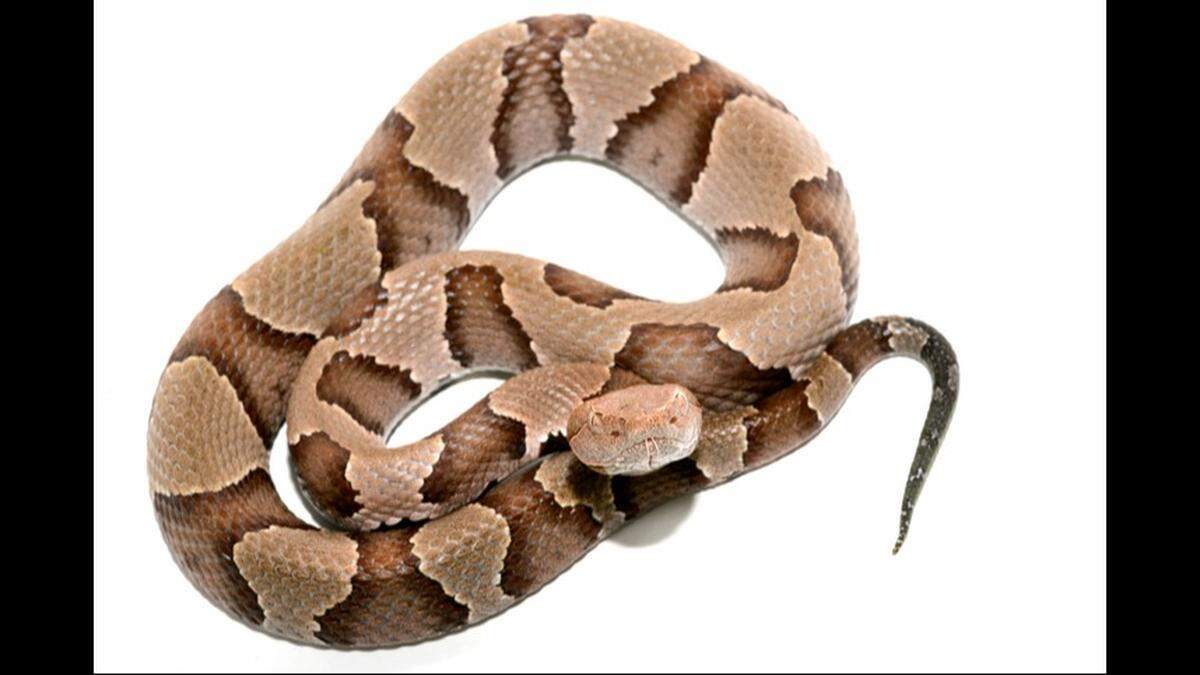
Appearance: Copperheads are typically 3 to 4 feet long, and their coloration can be light brown, gray and rusty orange. They can be identified by the hourglass pattern along the back.
Habitat: Forest/wooded areas full of logs and rocks.
Threat: Copperheads are common, but their bite is not lethal. Cottonmouth Appearance: Large, usually between 3 and 6 feet with a large head, resembling a block. Cottonmouths are covered in dark brown colors and sometimes olive greens.
Habitat: Coastal regions in Georgia. They prefer swamps, but they can be found in moving rivers, creeks and lakes. When Cottonmouths feel threatened, they will open their mouths and show the white lining inside.
Threat: Very common. Bite can be fatal. Coral Snake
Appearance: Small (between 2 and 3 feet) and slender. The coral snake has black and red rings, separated by smaller yellow rings; hence, the “red touches yellow” rhyme. Habitat: Coastal Plains; they love sandy soils and underground burrows or holes.
Threat: Coral snakes are very rare in Georgia. According to the Georgia DNR, Coral snakes “have a dangerously potent venom,” that can quickly paralyze a human or send them into cardiac arrest. Diamondback Rattlesnake Appearance: Can reach up to 7 feet in length, but these snakes are normally between three and five feet long. The diamondback is brown, yellow and black and has a diamond-like pattern down its back. The rattles on the tail end are light colored rings made of keratin.
Habitat: Found along the coastal plains, pine woods and forests. They can also be found in sand dunes, marshes and long grass/shrubs.
Threat: Rare, but deadly. These snakes are more likely to be killed by humans than the other way around. Sadly, these snakes are dying out because humans gas burrows in an attempt to kill large amounts of Diamondbacks. This is not only illegal, but it also puts many more animals (not just snakes) in danger. Timber Rattlesnake Appearance: Usually between 3 and 5 feet, but some can grow up to 6 feet long. These snakes normally have brown, gray, tan and yellow colors on their bodies, but some can also have pink hues. They also have chevron shapes along their backs.
Habitat: Heavily wooded coastal plains; they also love streams and den sites such as stumps, holes and burrows. Many have been found in barns as well.
Threat: Timber Rattlesnakes are fairly common and their bite can be fatal. Pigmy Rattlesnake
Appearance: These snakes are the smallest rattlesnakes, ranging from 16-23 inches long. Pigmy rattlesnakes have black spots with red or orange stripes all the way down its body.
Habitat: Dry sandhills, pine forests and saw palmetto thickets.
Threat: Not common and bite is not lethal.
What should you do if you are bitten by a snake?
If you are bitten by a snake, here’s what you should do:
- Stay calm and call 911 or the Georgia Poison Center at 1-800-222-1222.
- Try to identify the snake by looking at its colors, pattern and head shape. Also, note what time the bite happened
- Keep still and stay calm. Remove all jewelry and tight clothing
- Wash the bite with soap and water and cover the bite with a clean, dry dressing
What should you NOT do if bitten by a snake?
The Georgia Poison Control center says DON’T do the following:
- DO NOT pick up the snake or try to trap it. It could bite a second time
- DO NOT apply a tourniquet or attempt to restrict blood blow to the affected area
- DO NOT cut the wound
- DO NOT attempt to suck out the venom
- DO NOT apply heat, cold, electricity or any substance to the bite
- DO NOT drink alcohol or caffeinated beverages
- DO NOT take any drugs or medicines
- More information can be found on Georgia DNR’s website.
Have you seen a snake around lately? Have you ever been bitten by a snake in GA? Let me know at cmadden@mcclatchy.com