
A look into the past, present, future of Macon’s historic Coal Tower
Peeking over downtown Macon is a unique, concrete structure around 90 feet tall.
It has stood for more than a century, surviving the age of steam, serving as a reminder of Macon’s industrial past and outliving other towering structures that have come and gone downtown. Some are unaware of what it even is. But the Coal Tower carries a deep history, and will once again watch over new development in Macon soon as developers make big plans for the plot of land that sits at 861 Seventh St.
A glimpse into the past
Just a few blocks from downtown, the Railroad Industrial District, which is valued by the National Registry of Historic Places, is filled with other remnants of industrial history. The tower stands tall as one of the most complete pieces of that history still standing.
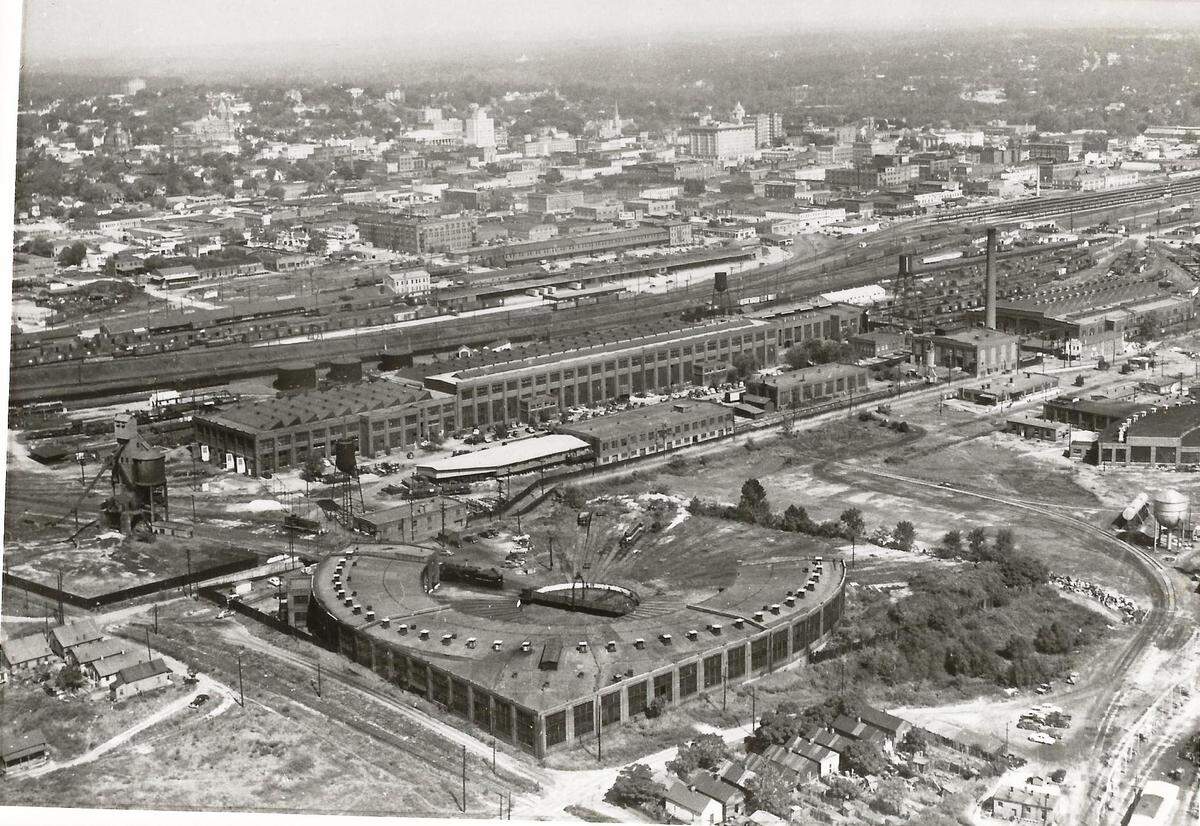
Once a part of a 57-acre railroad repair complex owned by the Central of Georgia Railway filled with railroad repair shops, and a massive roundhouse located at the foot of Pine Street, the Coal Tower provided coal for locomotives that passed through Macon.
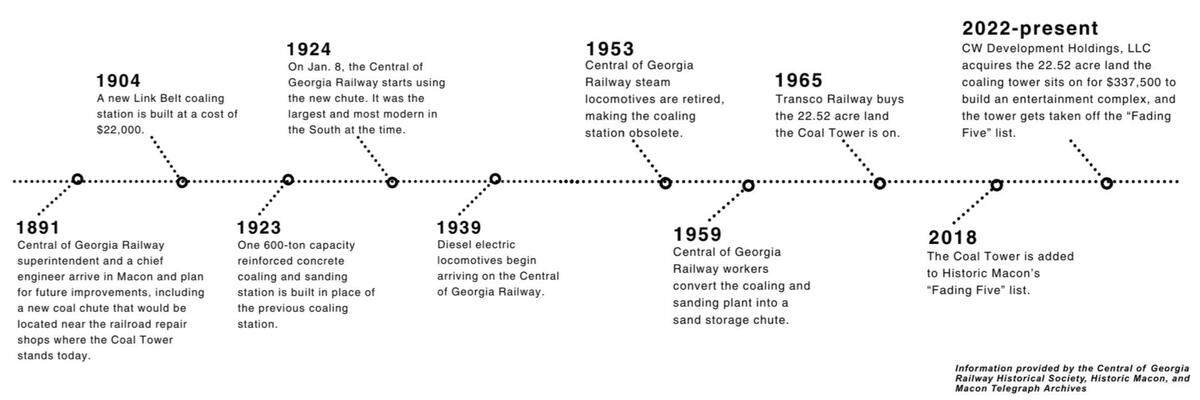
Built in 1923 by Ogle Construction Company in Chicago, according to the Central of Georgia Railway annual report, the Coal Tower that stands today replaced a previous coaling station with a much shorter history, constructed in 1904. The 600-ton capacity reinforced concrete structure left standing today actually had two main functions as both a coaling station and sanding plant. When it first started operations feeding coal into all of Central’s engines in early 1924, it was reportedly the largest and most modern in the South, according to Telegraph archives.
Telegraph archives show that in 1893, an estimated 100 million pounds of coal was used by Central’s locomotive engines in just a year’s time.
.jpg "Coal tower #2 (1).jpg")
Maryel Battin, the former executive director of the Macon Heritage Foundation, which is now the Historic Macon Foundation, helped lead the charge to get the Historic Railroad Industrial District on the National Registry of Historic Places. Battin said the Coal Tower’s biggest value is serving as a marker of Macon’s historical industrial roots, but also how it represents coal being of utmost importance to industrial operations.
“Cars needed gas stations, trains needed coal, and they went through the tipple and built up with coal. It sort of shows what happened and how important the railway was to Macon in the first part of the 20th century,” Battin said.
Coal would be brought to the tower, sometimes referred to as a coal tipple, in railroad hopper cars. Those cars would dump the coal into an elevator mechanism which moved the coal into an elevated compartment. When a steam locomotive needed coal, it would pull under the coal station on a train track between the pillars of the Coal Tower. Coal would be transferred by gravity down a chute that put the coal into the steam locomotive tender, according to Patrick Allen, president of the Central of Georgia Railway Historical Society.
Its counter-operation, the sanding plant, also was crucial. It wasn’t unusual to combine sanding plants with coaling stations at the time, Allen said. Sand was used on locomotives to get traction on slick or wet rails to prevent trains from derailing.
Working on the coal chute was dangerous and involved strenuous labor, according to historian James Goolsby, who is a member of the Central of Georgia Railway Historical Society. Workers who shoveled coal into the coal tender of locomotives were known as firemen, and other workers who worked on the coal chute were referred to as “coal chute men.” Often it was Black laborers working at the coal chute, according to Telegraph archives.
Scott Sell, whose grandfather, Earl Graham Sorrell, worked as a locomotive engineer and was also the president of the Brotherhood of Locomotive Engineers labor union in Macon, said his grandfather considered them the “hardest working people on the whole railroad.”
.jpg "Fri, Sep 22, 1916-Minorcaseeee (1).jpg")
Telegraph archives indicate there were falls, electrical incidents, and other coal-related injuries and deaths involving the coal chute.
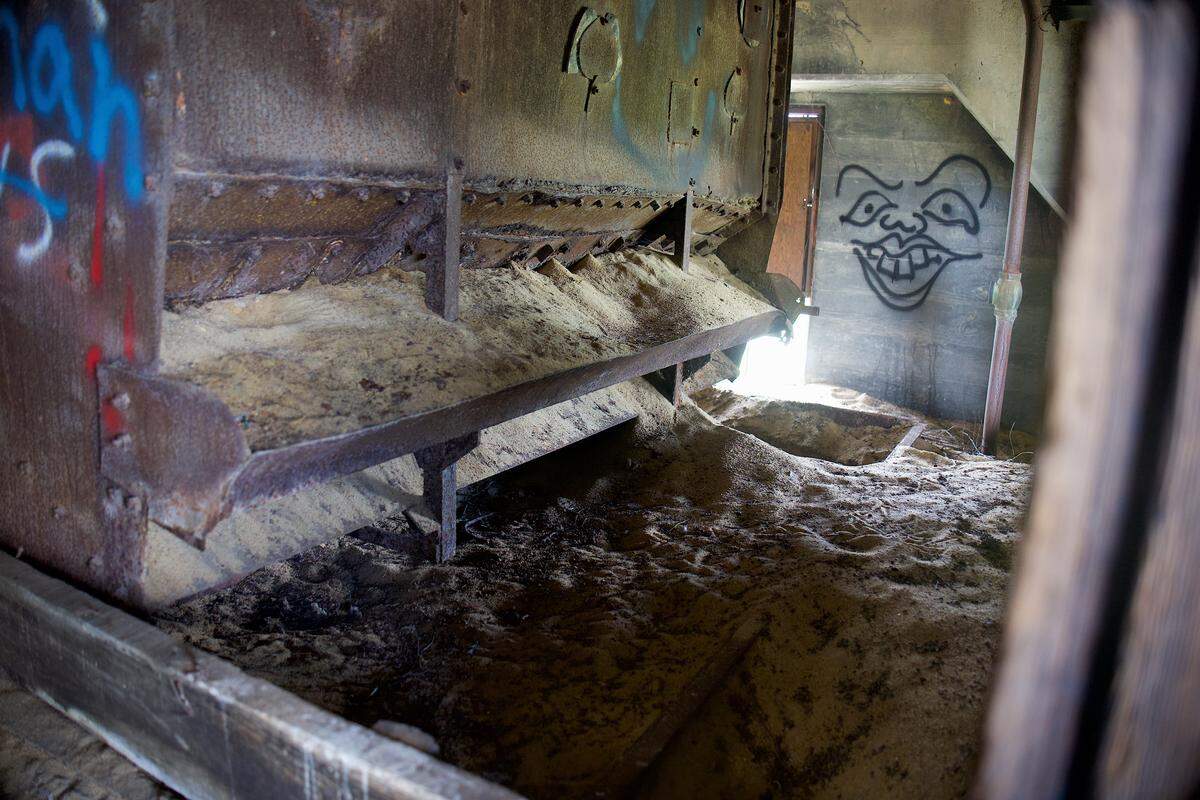
All steam engines were retired in early 1953 at the Central of Georgia Railway due to the rise of diesel electric locomotives, and the coaling station became obsolete. It wasn’t until around 1959 that the Coal Tower was later converted into a sand storage chute, according to Telegraph archives.
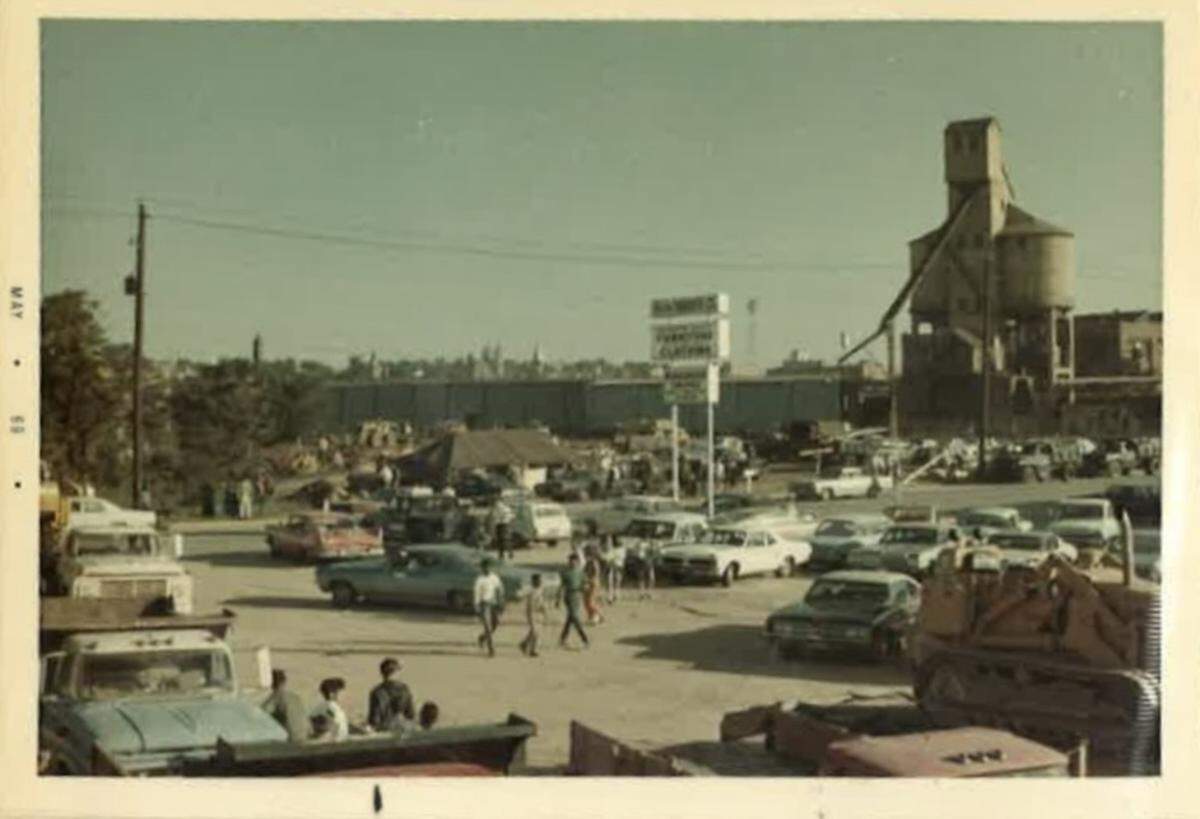
Transco Railway Inc. bought the tract the property sits on in 1965, and acquired the land for railroad repairs. As the industrial era phased out of Macon in the ‘90s, many shops that were a part of the 20-acre complex the Coal Tower is on, including the roundhouse, were demolished. Due to the fact that the Coal Tower was a massive concrete structure, and the price of tearing it down would be huge, Transco left the tower alone, Battin said.
In the years following, the tower had been a target of vandalism and neglect. In 2018, the Historic Macon Foundation put the tower on its “Fading Five” list, which lists local historic properties at risk of being torn down. The property was threatened with demolition by neglect.
It wasn’t until 2022, when CW Development Holdings, LLC acquired the 22.52-acre land for an entertainment complex and vowed to preserve the Coal Tower within their plans for development, so it was taken off the “Fading Five” list.
Mike Ciabattoni, owner of CW Development Holdings, LLC, said acquiring the tower was the “cherry on top” of the $337,500 sale of the land.
A generational pull toward Macon’s Historic Railroad District
Sell grew up watching the trains come through Brosnan yard with his grandfather. They would sit and watch while his grandfather told him stories about the engines of the trains. At one point, his grandfather was an engineer for the Nancy Hanks, a popular passenger train that Maconites took to get to Atlanta, Sell said.
Sell said he can still recall the distinct, sulfury smell of the industrial district. He said at the bottom of the Brosnan yards, there is a big paper mill called Graphic Packaging, to which he attributed the smell.
“When you smelled the paper mill, it meant it was going to rain in Macon. It’s kind of cool when you smell that smell in town you knew it was going to rain, but it always smelled like that around the train,” Sell said.
Sells’ dad, also an avid railroad fan, would find the timetables of the trains, grab some binoculars, and identify which trains were passing through from his office space, which is now the Fickling & Co. building on Mulberry Street, Sell said.
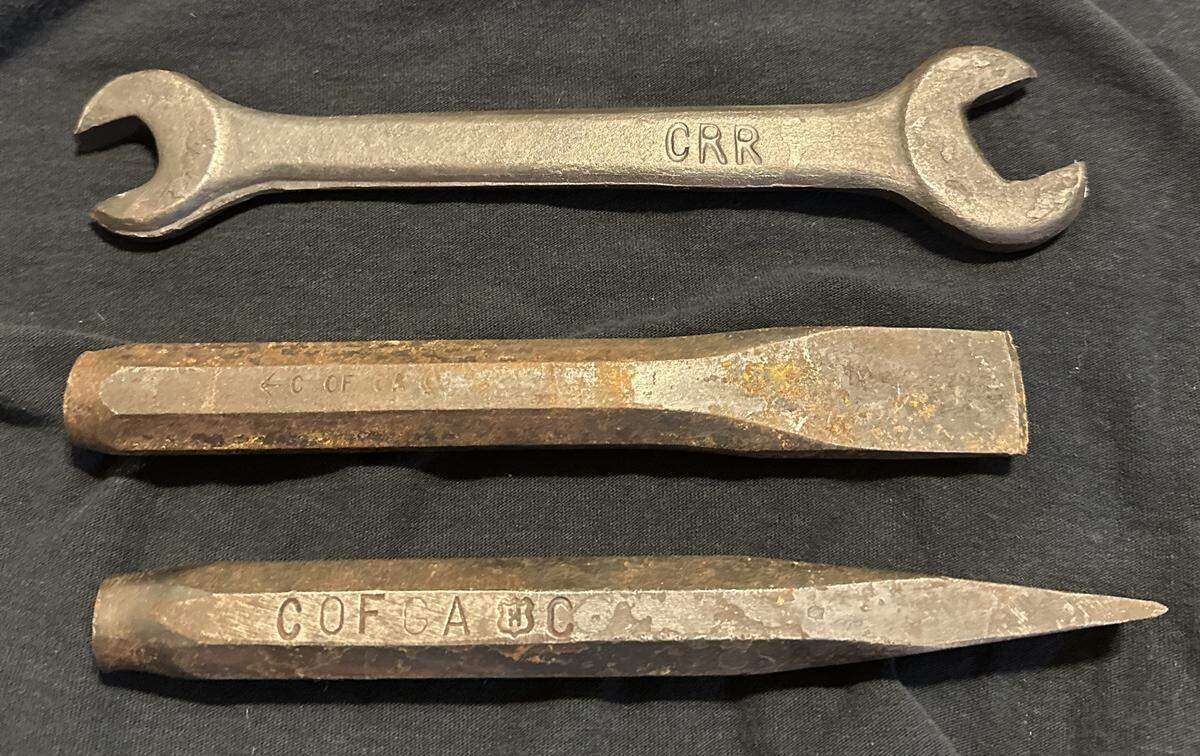
The generational tie to the historic industrial district has caused Sells to become more interested in the Central of Georgia Railway as he gets older. His grandfather left him handmade tools from the Central repair shops and roundhouse, some dating back to the 1890s when Central of Georgia Railway was the Central of Georgia Railroad and Banking Company.
“(The Coal Tower) sort of represented him, you know, because of the fact that it’s still there, and I hope they can preserve it. I hope they never tear it down,” Sell said.
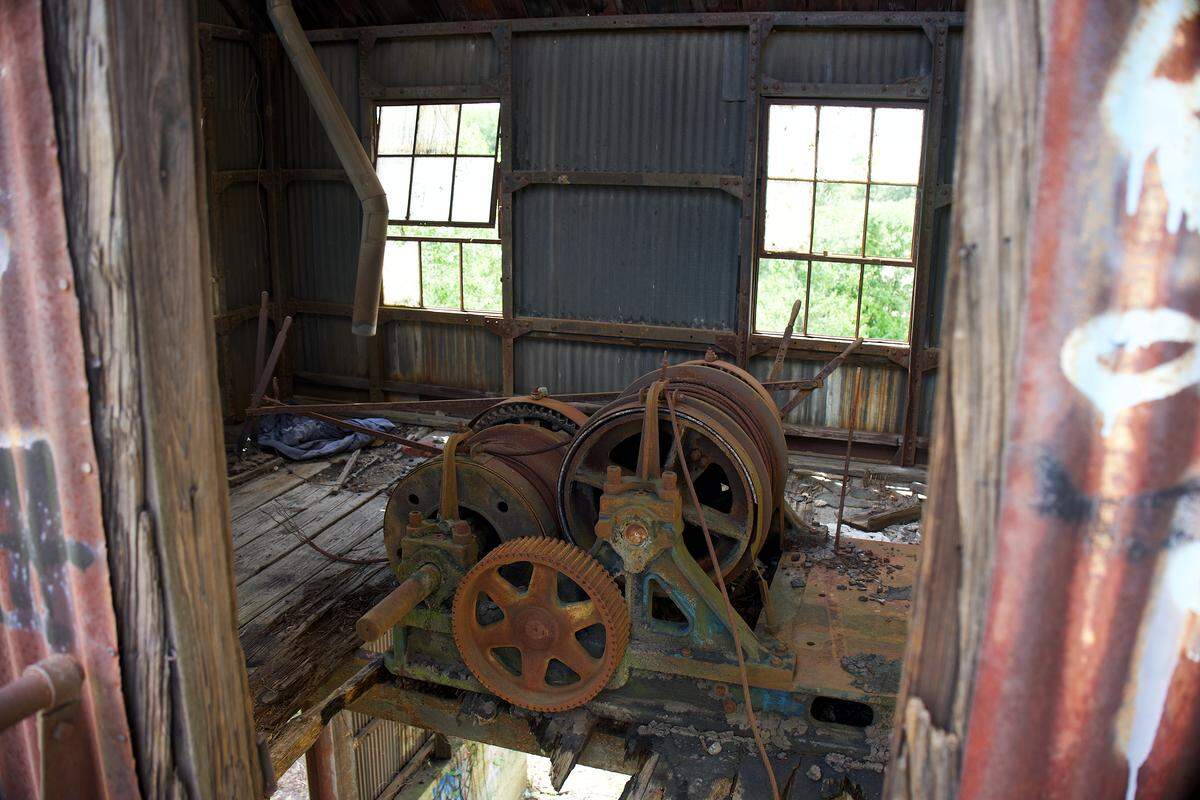
An update on the Coal Tower, and what the future holds
The century-old tower can pose a safety hazard, but Ciabattoni and the new land owners say they are taking some new precautions as they prep the land for a significant development. The group is repairing the fence around the perimeter and installing a new fence around the stairwell into the tower to discourage trespassing.
Land clearing efforts are ongoing around the site to lay the groundwork for the future entertainment complex that will sit on the land.
A very popular TV show, “Tulsa King,” has also recently been onsite at the base of the tower to shoot a scene for season three which airs this fall, shedding some spotlight on the Coal Tower in the TV and film industry, Ciabatoni said. Ciabattoni is hopeful this wont be the last time the industry recognizes the unique value of the tower.
As far as future preservation efforts go, Ciabattoni said they plan to protect the Coal Tower and possibly in the future, make it more accessible for the public to get a closer look. Ciabattoni could envision transforming the Coal Tower into more of a statement piece on the property later down the road. Since it is so early in the development process, it is hard to know exactly what the tower’s purpose will be.
“We just want to kind of protect what’s there and protect the footprint and that’s kind of loosely what the goal would be, but you know, big picture, we think it’s really cool,” Ciabattoni said. “It’s a cool vibe for the property. It’s pretty iconic for Macon in general, and everyone’s familiar with it.”
According to Appalachian Railroad Modeling, nearly all coal tipples, or towers, have been gone for decades. Macon’s Coal Tower still standing symbolizes the town’s tight grasp on its rich, industrial history and casts Macon in a unique light providing citizens a glimpse into the industrial era right in downtowns backyard.
This story was originally published August 15, 2025 at 5:00 AM.