Georgia hit by higher power bills, less clean energy jobs one year into Trump’s term
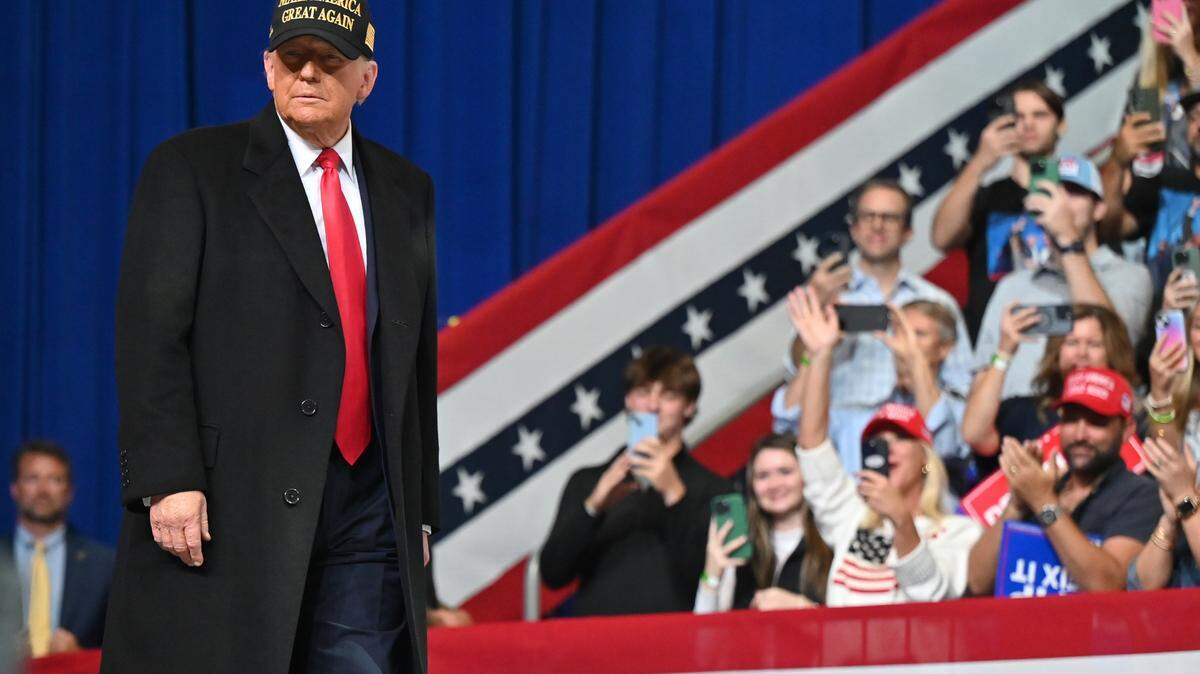
This month marks a year since President Donald Trump began his second term, and climate activists are highlighting how his policy changes have affected Georgia and its economy.
A new report from Climate Power, a nonprofit whose mission is to educate Americans about clean energy investments and fossil fuel pollution, said there has been an increase in household energy costs and decreases in clean energy jobs and investments as result of a number of actions taken by Trump.
“In just one year, Trump spiked energy bills from his all-out war on clean energy, decimated pollution protections, and placed us further at risk by playing politics with disaster aid and cutting our ability to predict and respond to extreme weather,” the report from Climate Power reads.
The report references studies and analysis from several outside sources such as the U.S. Energy Information Administration, as well as some in-house analysis from the Climate Power research team, painting a detailed picture of how much has changed since Trump took office in January of last year.
From September 2024 to September 2025, household electricity costs increased by more than 12% in Georgia, according to the U.S. EIA. On top of that, energy bills in the state are projected to increase by $110 by 2030 and $270 by 2035 due to clean energy cuts, according to Energy Innovation.
In addition, funding for home energy efficiency upgrades, which are designed to lower household energy bills, was also eliminated by the current administration, Climate Power said.
Trump’s clean energy cuts led to seven cancelled or delayed battery, solar and clean technology projects, resulting in the loss of more than 3,000 jobs and $4.4 billion in investment in the state, according to data cited in Climate Power’s report.
The Climate Power report attributes a range of policy actions to rising costs, lost jobs and environmental harm.
A key measure includes the passage of the “One Big Beautiful Bill,” which gives tax breaks for pollutant-heavy fossil fuels while cutting clean energy programs, effectively raising household energy bills, according to the report.
“Trump’s cuts to federal clean energy tax investments are expected to reduce the build-out of new clean power generating capacity by 53% to 59% from 2025 through 2035,” the report reads. “Already, the U.S. has lost tens of thousands of megawatts of capacity that could have powered millions of homes, including: 658 MW of battery capacity, 149 MW of solar capacity and 24,152 MW of wind capacity.”
In tandem with moving away from clean energy investments, over 30 pollution protections have been gutted, resulting in the loss of an estimated $275 billion in annual societal savings from higher health care costs from poorer air and water quality, according to the report. It also links an estimated 30,000 additional premature deaths each year to increased air and water pollution, according to the report.
Funding for home energy efficiency upgrades, which are designed to lower household energy bills, was also eliminated by the current administration, the report says.
The report also notes that the National Park Service lost 24% of its permanent workforce to Trump’s cuts, leaving the department significantly strained and understaffed.
The National Park Service recently opposed the plan to make Macon’s Ocmulgee Mounds a national park while noting staffing challenges, saying that park and historic site employees have decreased by roughly a third while visitor numbers remain near record levels.