
Mercury gets in fish in Middle GA waters, can cause health problems. What’s the cause?
Those looking to catch and eat fish in the lakes and rivers in Middle Georgia may want to be aware of state advisories that warn of the dangers of eating too many from several water bodies — because those fish may have mercury in them.
These advisories stretch across Middle Georgia’s major river basins, with 14 fish species carrying mercury-related consumption advisories across three Middle Georgia river basins: the Oconee, Ocmulgee and Altamaha, according to the State of Georgia Fish Consumption Guidelines
These advisories are not new, but forces that likely influence them are changing. And growing.
“Mercury may be present in fish because of the (naturally occurring) mercury content of soils and rocks in the southeast, from municipal and industrial sources, or from fossil fuel use,” the fish consumption guidelines say.
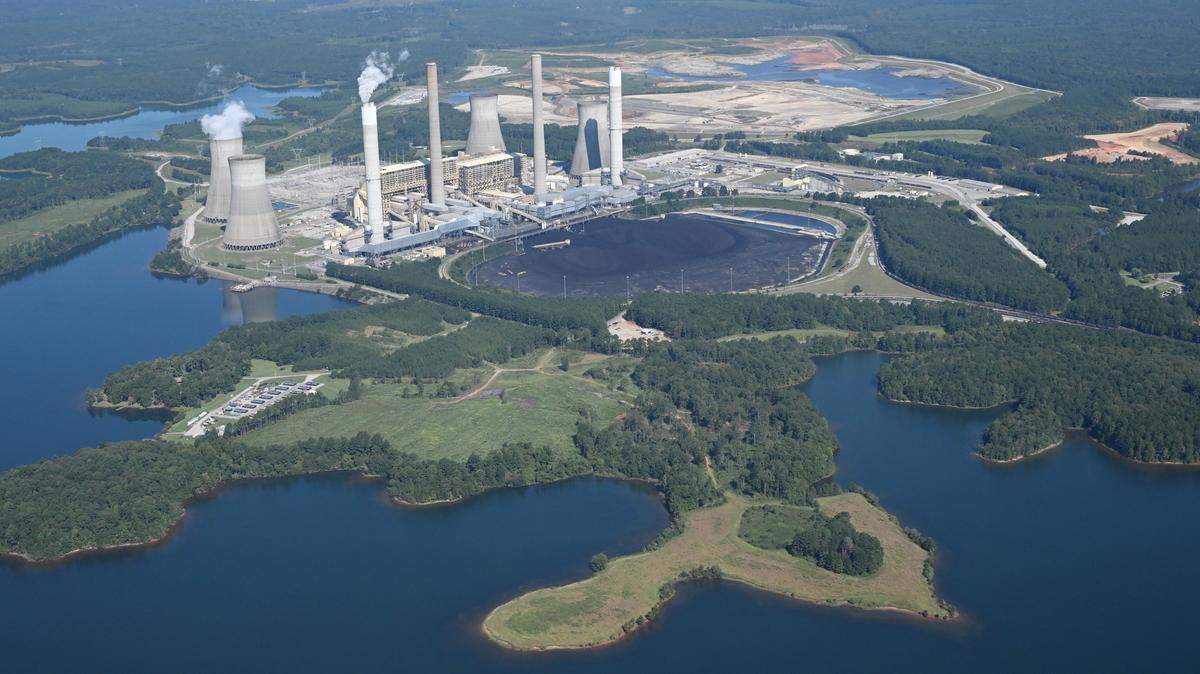
In Middle Georgia, scientists and professors from Mercer and Georgia State universities point to coal-fired power plants such as Plant Scherer.
“In Middle Georgia, the biggest source is going to be the coal, the coal-fired power plant, Plant Scherer,” said Dr. Christie Bridges with Mercer University.
With coal the biggest culprit, according to Bridges, Altamaha Riverkeeper Fletcher Sams says the concern could worsen as power providers do all they can to meet exponentially rising demand for electricity.
In addition to the growing power demand, federal regulators are actively delaying and reconsidering pollution rules for coal-fired power plants — including granting temporary exemptions to Georgia Power’s largest units.
“This comes at a time where Plant Scherer has received a presidential exception from the MATS rule governing mercury discharge, and the EPA is considering eliminating all together other environmental controls such as the CCR rule and clean power plant rule that currently protect residents,” said Sams.
Coal-fired power plants are regulated under the federal Mercury and Air Toxics Standards, or MATS, which were designed to sharply reduce mercury and other hazardous air pollutants under the Clean Air Act.
In 2024, the Environmental Protection Agency finalized amendments tightening particulate standards and expanding monitoring requirements, signaling an effort to further limit toxic emissions over time.
Georgia Power, which co-owns and operates Scherer, acknowledged those requirements in its long-term planning documents, known as Integrated Resource Plans, though many of the compliance deadlines were set years into the future.
But before those tighter standards fully took effect, the regulatory landscape shifted.
Plants Bowen and Scherer, Georgia Power’s largest remaining coal units, were granted a two-year presidential exemption from the 2024 revised MATS requirements.
The EPA has since proposed repealing the 2024 amendments altogether, creating uncertainty over whether the tighter standards will ever be enforced.
However, Georgia Power says it has greatly cut back on mercury issues: mercury emissions from the company’s power-generating fleet have dropped more than 98% since 2007, driven by pollution controls installed under federal clean air rules, according to Alicia Brown, spokesperson for Georgia Power.
Georgia Power said no new pollution-control upgrades are needed at Plants Bowen and Scherer to meet the revised MATS standards, noting the units have met stringent particulate limits since 2016.
Georgia Power said the two-year exemption applies mainly to new monitoring requirements, not emission limits, and gives the company time to evaluate equipment it says cannot reliably measure emissions already reduced to very low levels.
Bridges confirms those reductions are real, making the plants much cleaner than they once were.
But still, mercury persists in soils and sediments for years, meaning today’s emissions trends affect how quickly contamination will decline, rather than whether it exists.

HOW MERCURY GETS IN FISH
Lake Juliet, Lake Tobesofkee, High Falls Lake, and the Ocmulgee River in Jones, Monroe, Bibb, and Twiggs counties all have fish consumption adversaries due to Mercury fish tissues, according to Sams.
When coal plants release mercury, it can travel long distances through the atmosphere before settling onto land and water.
Once mercury enters rivers and lakes, bacteria convert it into methylmercury, a highly toxic form that easily accumulates in living organisms, according to Bridges.
Small fish absorb methylmercury from algae, larger fish eat those fish, and concentrations increase up the food chain — a process known as biomagnification.
The guidance, issued by state health and wildlife officials, recommends limiting how often certain fish are eaten, particularly for pregnant women and children. The advisories are precautionary and reflect long-term exposure risks rather than immediate danger.
“At worst, using the US EPA estimates of contaminant potency, your cancer risk from fish consumption should be less than 1 in 10,000,” according to the guidelines. Rising power demand does not automatically mean mercury levels in fish will increase, however, decisions that delay coal retirements — regardless of the reason — can slow further progress from being made.
Regulatory delays combined with higher power demand could flatten downward trends, prolonging the time it takes for contamination to diminish.
Even if a coal plant closed tomorrow, mercury already stored in sediments and soils would continue cycling through ecosystems for years, Bridges said.
For communities along Middle Georgia’s rivers, mercury advisories are both a legacy of the past and a measure of future choices.
As federal rules shift and electricity demand grows, the question is how long it will continue to linger in the water — and on dinner plates.
This story was originally published January 1, 2026 at 6:00 AM.