Middle Georgia data center boom raises a big question: Is there enough water?
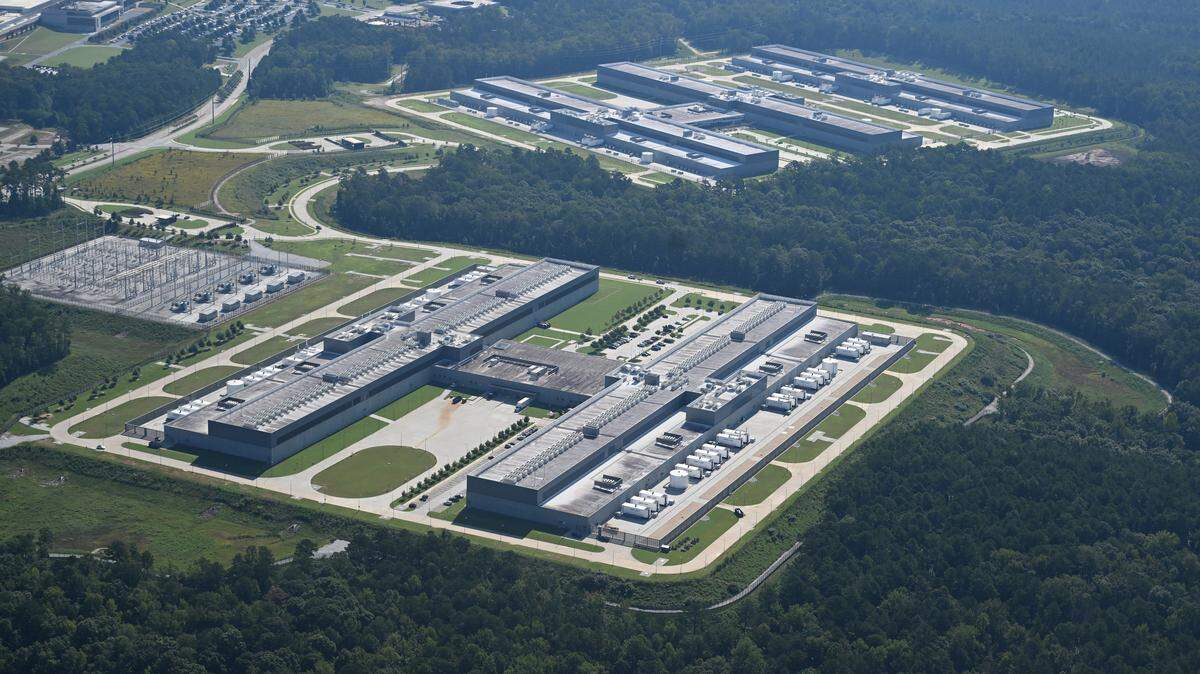
Ask experts in the Peach State how many data centers are going up in Georgia, and you’re unlikely to get a clear answer. But there are currently eight of them moving forward in Georgia’s Middle Ocmulgee region without going through a review process that evaluates resource use, according to Fletcher Sams, executive director of Altamaha Riverkeeper, a nonprofit that focuses on protecting and restoring the Altamaha Watershed in Georgia.
Having that many major projects going on at one time leaves the region around the Ocmulgee River Basin in a dicey situation when it comes to water, Sams told The Telegraph. Data centers are resource-intensive facilities that require significant water use to cool the technology housed inside. Data center studies, such as one conducted by the Environmental and Energy Science Institute, show large data centers can use as much water as a town populated by tens of thousands of people.
“Those are just the ones that I’m aware of,” Sams said. “That changes, it seems like, every other day, but right now on paper, I for sure have eight (data center projects) without going through the Developments of Regional Impact process.”
The Development of Regional Impact process is a way for more transparency to be baked into major construction and business projects in Georgia. Large-scale facilities with potential wide-reaching impacts beyond the jurisdiction in which they are being built, such as data centers, go through the process in order to provide important information about their development.
That process also invites stakeholders, including surrounding local governments and different state and federal agencies to provide feedback and comment on these projects, according to Greg Boike with the Middle Georgia Regional Commission.
At the beginning of the process, developers must provide estimates for local tax revenue, water supply demand, traffic volume, and impact on environmental quality, among other factors, through a form on the Department of Community Affairs website.
Why data center review process was paused
In May, the Department of Community Affairs, which hosts the portal that initiates the DRI process, instructed regional commissions across the state to pause reviews for data centers, according to Boike. The pause was due to a massive influx of projects across the state that forced the department to reexamine how it studies these developments, according to The Atlanta Journal-Constitution.
This is a cause for concern for Sams.
“All these giant water users are coming in at such a rapid pace that the Department of Community Affairs couldn’t keep up, so they suspended (the process for data centers), and now you have local county governments just approving these projects in a vacuum without any data for the surrounding counties that also need and rely on this water,” Sams said. “That’s the scary part to me, is that there is no overarching big picture being accounted for.”
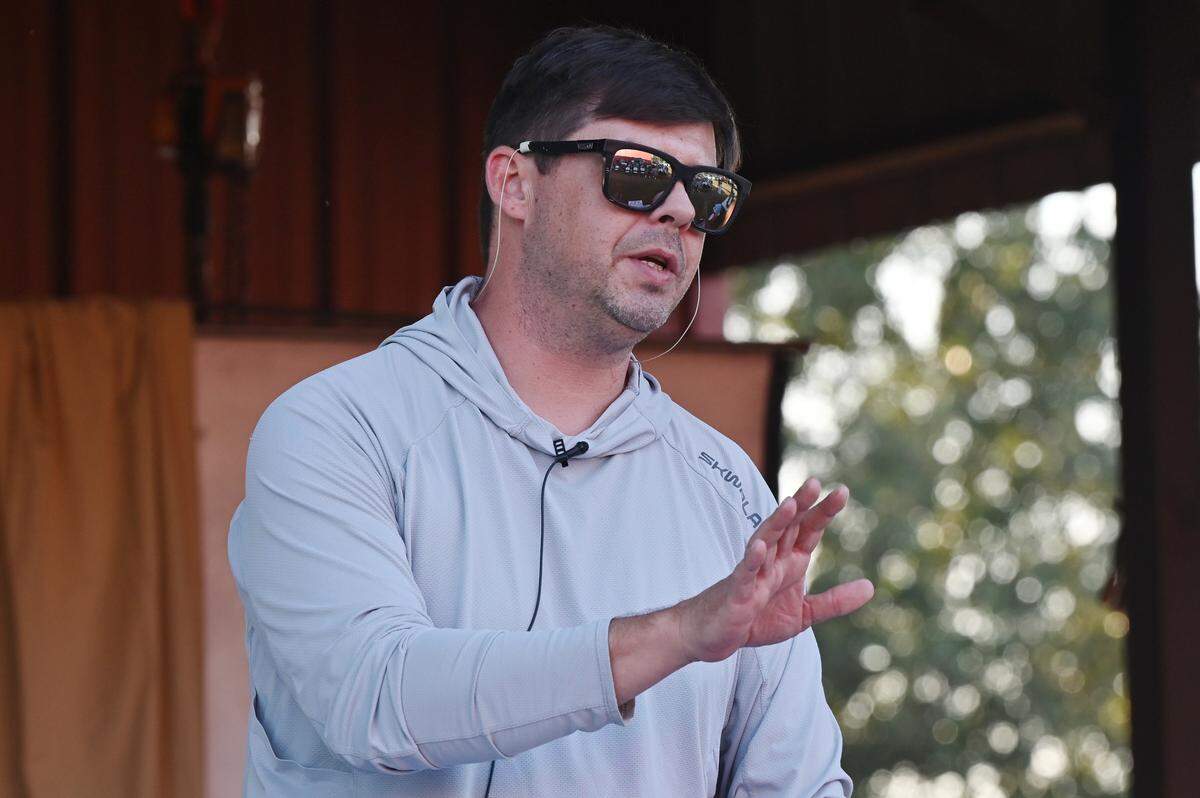
Large developments typically have to go through the DRI process before they are brought to county commissioners for rezoning or approval, Sams said. If all data center projects had to go through the DRI process, he’d have a better understanding of the sheer number of them that are being proposed and plan to pull water from the Middle Ocmulgee region.
However, not all data centers in the region have avoided the DRI process. Before the pause, some projects still underwent review, but were categorized under different types of development.

“Some (regional commissions) had done DRI reviews prior to that (pause),” said Boike. “Without assets of further guidance, we took whatever category the local government had classified the development as, and assumed that that classification was correct …”
What goes into the DRI process?
The DRI process begins when a local government submits project details to their regional commission after a developer requests something such as rezoning, subdivision approval, or a land disturbance permit, according to the DCA’s website. The appropriate regional commission then determines if the project meets or surpasses thresholds set by the DCA, circulates it for comments from nearby governments and affected agencies, and then issues a final report after 30 days.
The comment period is when agencies such as the Georgia Department of Transportation or the U.S. Fish & Wildlife Service may recommend that a traffic study or other impact study be done as a condition of approval, but that’s only advisory — not mandatory, according to Boike.
And though these agencies and surrounding governments still have the ability to comment on projects without DRI forms, the entities aren’t formally invited.
Even if the DRI process is done, Sams still has concern about the amount of water these places will use.
Every DRI report conducted in the region is based on information from the 2023 Middle Ocmulgee Regional Water Plan, which assumes over a 70-million gallon water surplus for the area after Georgia Power’s Plant Scherer, another facility that’s resource-intensive, is retired by 2038.
Not enough water to go around?
While that would free up a great deal of water for usage in other facilities, Sams fears Plant Scherer won’t be able to retire on schedule — because the influx of data centers is pushing up the demand for energy in Georgia. If the retirement timeline for Plant Scherer is extended, that assumed surplus won’t be available, Sams says.
“Every DRI that was done in the Middle and Upper Ocmulgee with the Atlanta Regional Commission and the Middle Georgia Regional Commission are basing their information on the Middle Ocmulgee Regional Water Plan,” Sams said. “That water plan assumes that we’re going to have 72 million gallons a day in water savings when Scherer retires.”
“(These) data centers are not going to allow that retirement.”
However, Georgia Power works with the Middle Ocmulgee Regional Water Planning Council on water use forecasting, according to Matthew Kent, spokesperson for the power company.
“Georgia Power is engaged in state water planning efforts, including being a member of the Middle Ocmulgee regional planning council,” Kent said. “Our participation includes support of water use forecasting efforts designed to ensure our operations, along with other water-use sectors, continues to support sustainable use of these resources.”
The power company said it’s permitted to extend Unit 3’s operation through at least 2035 and will revisit that timeline in its next Integrated Resource Plan in 2028, according to Kent.
This story was originally published October 7, 2025 at 11:09 AM.