GA regulators approve energy plan for state’s biggest power provider. See reactions
The Georgia Public Service Commission unanimously voted to approve Georgia Power’s long term energy blueprint known as the Integrated Resource Plan Tuesday, a plan that Georgia Power has celebrated as vital to keeping Georgia’s power reliable, but environmental groups throughout the state are worried about the plan’s effects.
The environmental groups’ main concerns stem from a significant expansion of fossil fuel generation in the plan, a billion dollars in financial risk to customers from building costly power plants for data center demand and the abandonment of previously promised energy efficiency programs that would’ve helped customers lower bills.
“The PSC’s decision will force Georgia families and small businesses to bear the costs of a multi-billion-dollar polluting fossil-fuel expansion based on unsubstantiated projections for growing energy demand from data centers,” Georgia Conservation Voters said in a news release. Georgia Conservation Voters is an advocacy group focused on environmental protection.
Georgia Power says these investments are necessary to ensure reliable and resilient energy to its customers,
“The approved 2025 IRP includes necessary investments in the company’s generation fleet and transmission system to help ensure Georgia Power can continue to provide its customers with reliable and resilient energy,” the company said in a news release.
The Public Service Commission found it necessary to use fossil fuels to meet the historic forecasted demand.
“With unprecedented grid growth ahead for Georgia, this Integrated Resource Plan puts us on the right path to meet everyone’s needs,” said Commisioner Tim Echols. “I wish it had more solar, more storage, more energy efficiency – but it strikes a good compromise in the spirit of collaboration.”
The IRP does include some clean energy developments, including a virtual power plant program that will offer solar and battery storage to select homes, churches and local governments. It also authorizes the procurement of up to 1,000 megawatts of new large-scale renewable energy, with the possibility of more, and calls for upgrades to aging nuclear and hydropower facilities across Georgia.
“As our state continues to grow and thrive, the approval of this comprehensive plan helps to ensure we have the resources and programs we need to reliably and economically meet the future energy needs of our customers,” said Kim Greene, chairman, president and CEO of Georgia Power. “The IRP is an incredibly complex and detailed process that brings together people from many backgrounds who are vested in our state’s energy future. I’m grateful to everyone who helped develop this plan and participated in the process over the last six months, and to the Georgia PSC for its careful consideration and approval of a strategy that will help us deliver the energy Georgians need and deserve.”
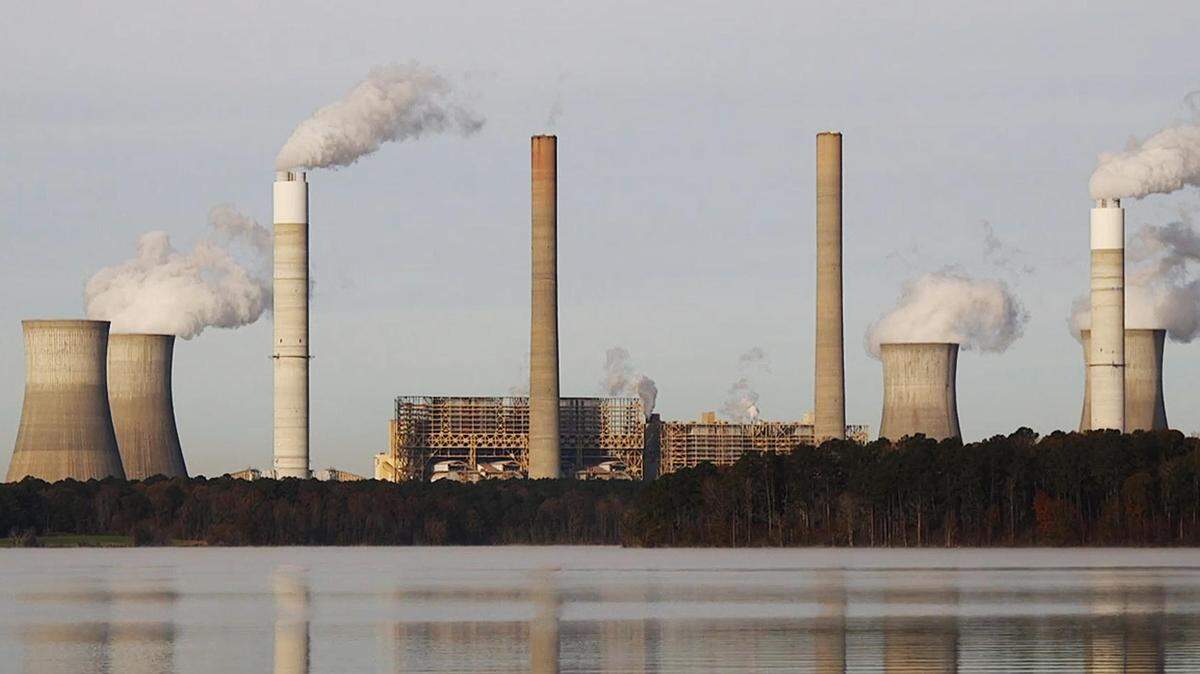
The approved IRP reverses commitments to retire coal-fired power plants — Plant Bowen, Scherer and Gaston — and allows for the power company to build six new methane gas-burning plants, which Georgia Power has already bought permits for, in order to meet the assumed need of data centers coming to the state.
“This IRP will make Georgia Power one of the largest greenhouse gas emitters in the U.S.,” said Adrien Webber, Sierra Club Georgia’s chapter director. “As a direct result of this decision, hurricanes will become more destructive, flash floods will happen more often and with less time to prepare, and debilitating heatwaves will become commonplace. Shame on the PSC and Georgia Power for selling out Georgia’s future in the name of higher profits.”
Critical details about the company’s list of potential data center customers has not been made public, and during public hearings regarding the IRP, Georgia Power testified it has not signed on any new large-load data centers as customers this year, according to a news release from the Southern Environmental Law Center.
“The final IRP agreement between Georgia Power and the PSC specifically states that there is a ‘lack of historic information to inform many of the assumptions used in the forecast,’ used to justify the development of new costly fossil gas plants,” Georgia Conservation Voters said in its release. “Should growth demand not materialize, Georgians will be left paying for billions of dollars in stranded assets.”
But commissioners feel the terms in this plan for data centers are necessary.
“As data center construction continues in Georgia, this IRP puts us in a safe and secure spot to meet that energy need,” said PSC Chairman Jason Shaw. “This long-term plan continues to strike a balance between reliability and affordability.”
The multi-billion-dollar plan could cost up to four times more than Plant Vogtle’s new reactors, according to the release from the Southern Environmental Law Center. A prior report indicated the cost of Plant Vogtle was $36.8 billion.
The IRP also increases the company’s already high power reserve margin, despite already generating significantly more spare capacity than most Southern utilities, according to the SELC. However, Georgia Power said these are “appropriate amounts.”
“The approved plan includes appropriate ‘reserve margins’ for the company, a critical element of the planning process focused on ensuring sufficient reserve generation necessary to deliver reliable electric service for customers during periods of temporary high demand such as extremely cold or extremely hot days,” Georgia Power says.
Georgia Power also reversed a prior commitment to expand energy-saving programs that help customers lower their bills, breaking a prior settlement agreement with the SELC that was made on behalf of Georgia Interfaith Power and Light and Partnership for Southern Equity, two additional advocacy organizations.
“Frankly, I am shocked that Georgia Power did not honor its commitment, and heartbroken the commission did not step up and defend billpayers in this moment,” said Jennifer Whitfield, a senior attorney in SELC’s Georgia office. “The commission had an opportunity to give this plan a silver lining but instead left meaningful relief for Georgians on the table.”
This story was originally published July 15, 2025 at 2:25 PM.