
Atlanta native, CEO shares vision for $680 million plastics-to-fuel plant coming to Macon
For Georgia native Bob Powell, his global waste solutions company investing more than $680 million to build a new plant in Bibb County is “a bit of a homecoming.”
Powell, who grew up in Atlanta, is the founder and chief executive officer for Brightmark, which plans to build an advanced plastics recycling and renewal facility on a 5.3 million-square-foot site off Walden Road near the Middle Georgia Regional Airport.
“One of my dreams has been to be able to do what we do at Brightmark, which is create a world without waste, in my home state of Georgia,” Powell said at a Brightmark and Macon-Bibb County Industrial Authority virtual news conference.
Once completed, the plant would be able to take 400,000 tons of plastic waste annually and convert it into usable products — including 64 million gallons of fuel and 20 million gallons of wax.
“And actually, most importantly, the remaking of plastics out of plastics,” Powell said.
The new plant is expected to generate more than 100 jobs in engineering, maintenance and operations.
Of the seven types of plastics labeled as recyclable, only two types are easy to recycle and the other five end up in landfills. But Brightmark is changing that, Powell said.
“Folks may not know, but only about 9% of plastics are recycled every year, and we’re trying to tackle that 91% that aren’t,” he said.
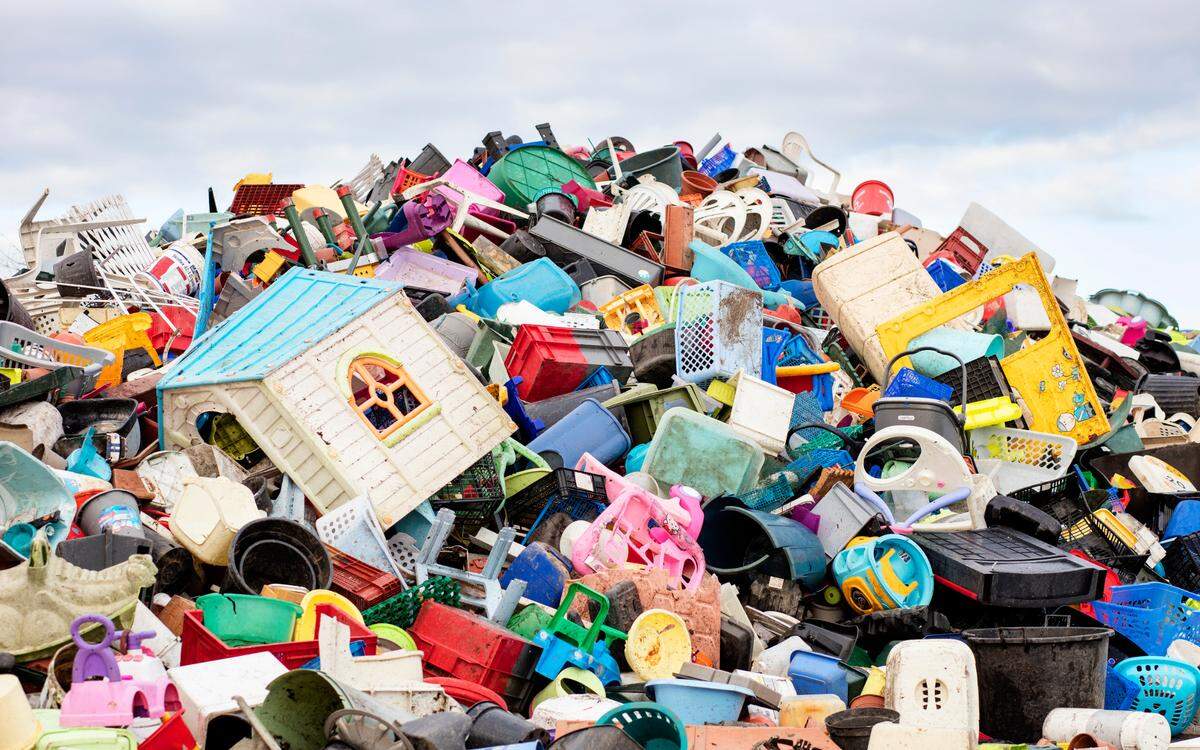
Plastics to fuel
That means Brightmark accepts all plastics.
“We like to say from Barbies to Bobbleheads to everything in between — certainly children’s toys,” Powell said “Anything we use: plastic Solo cups, car seats. All the things we use everyday that we don’t even realize are cased in plastic.”
Brightmark is able to do this because of its patented recycling process, which involves shredding the plastics, making them into pellets, heating them up and turning them into liquids that then become usable products.
The converted, usable products include ultra-low sulfur diesel fuel.
“Ultra low sulfur diesel fuel is the lowest environmental impact from a greenhouse gas emissions that we believe is commercially available,” Powell said. “With our product, it’s really that cleaner diesel.”
Another converted product, Naphtah, is used as one of the building blocks to remake plastics, he said.
“When we remake plastics out of plastics, we create what we call a truly circular solution,” Powell said. “Naphtha is also used often times as part of gasoline that folks use in their cars.”
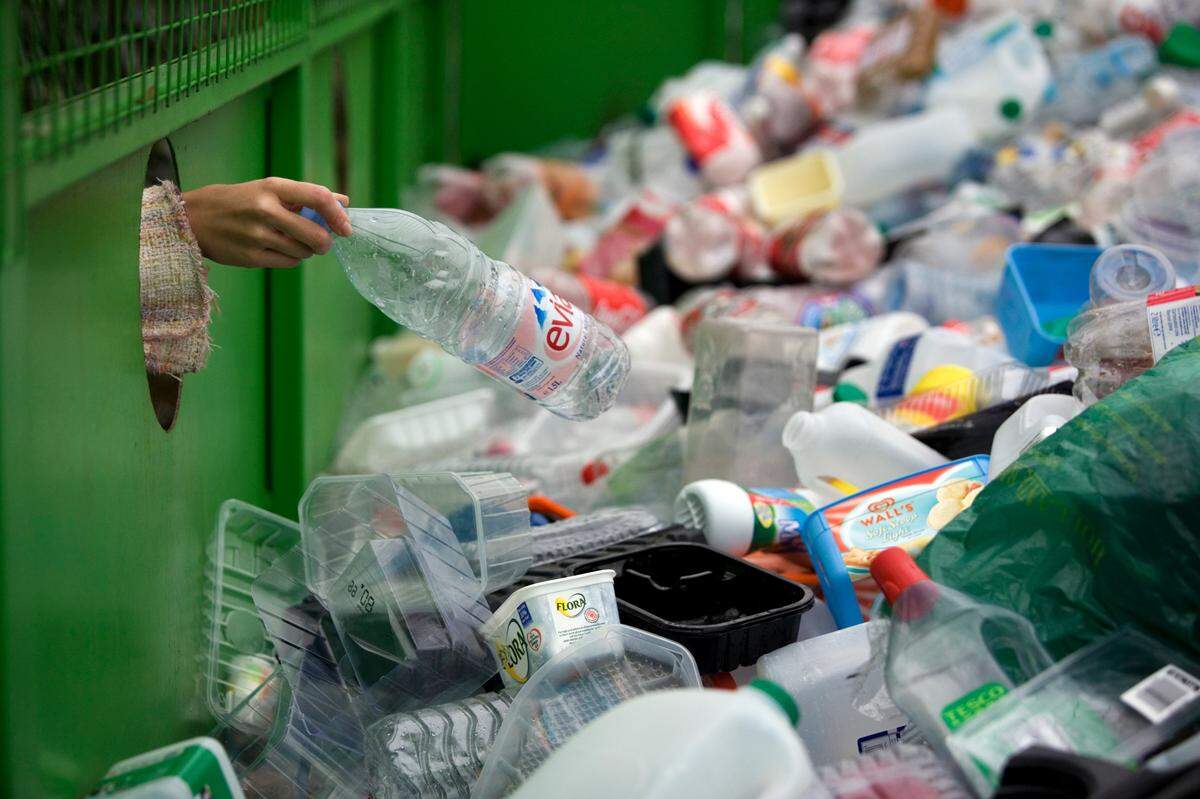
Plastics to wax
The other converted product is paraffin wax that can be used for making candles, he said.
“So you can imagine having a Brightmark Macon-Bibb candle in your house, and waxes are used for a lot of other things as well whether it’s on the cardboard boxes you see and we also (produce) food grade waxes,” he said.
Food-grade paraffin wax is also known as baker’s wax or canning wax and can be found in most grocery stores.
The recycling process is 93 percent efficient with the unusable output — a non-toxic chalky powder — that may be easily disposed of in a landfill, Powell said.
“We’re really excited to now help solve in Macon-Bibb, but really the whole Southeast with Macon-Bibb as the center, this plastics issue that we have,” Powell said.
The Macon-Bibb County Industrial Authority has been working with the Brightmark team since late 2019 trying to identify the ideal site, said Stephen Adams, the industrial authority’s executive director. They also worked closely with local, state and federal agencies..
“This is a very exciting project that we get the chance to now speak about and recognize that while it’s happening here in Macon, it will have a worldwide impact … We feel very strongly that this is going to bring some great opportunities for people to have jobs and work there but also while we solve a worldwide problem,” Adams said.
A groundbreaking date has not yet been set. The plant is expected to take two to three years to construct, Powell said.
“We are still working closely with the project team from Brightmark in identifying the final layout of the site,” Adams said.
Brightmark’s first commercial-scale, plastics-to-fuel facility is located in Ashley, Indiana.
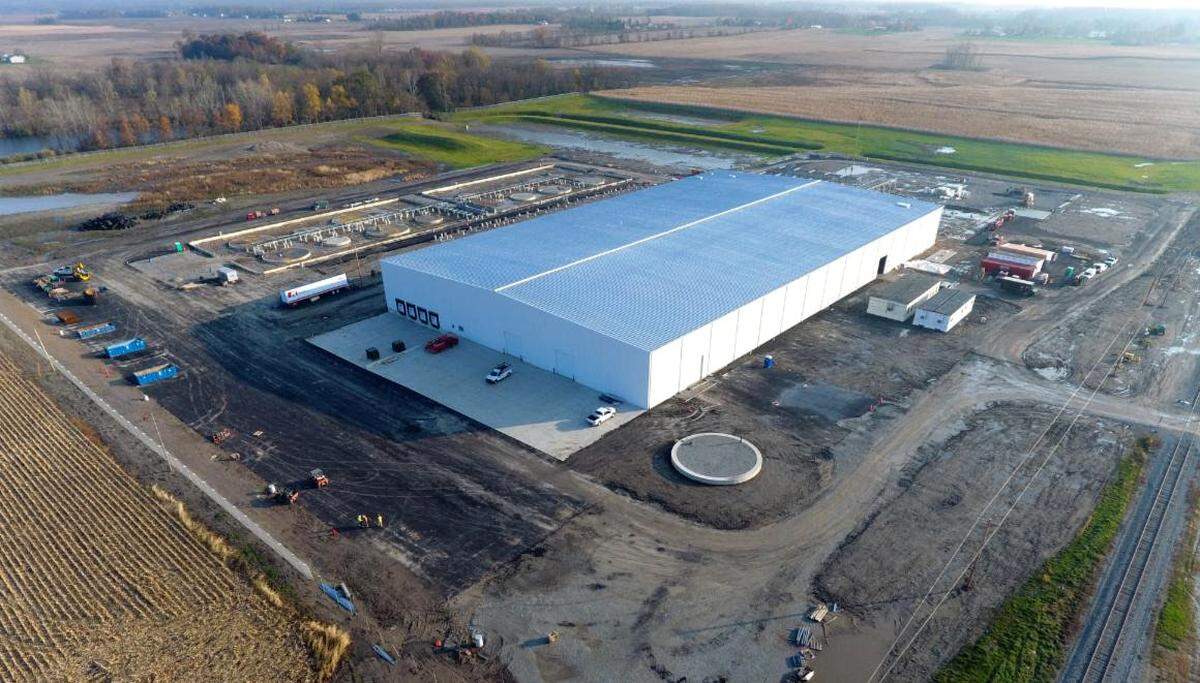
This story was originally published June 10, 2021 at 3:04 PM.