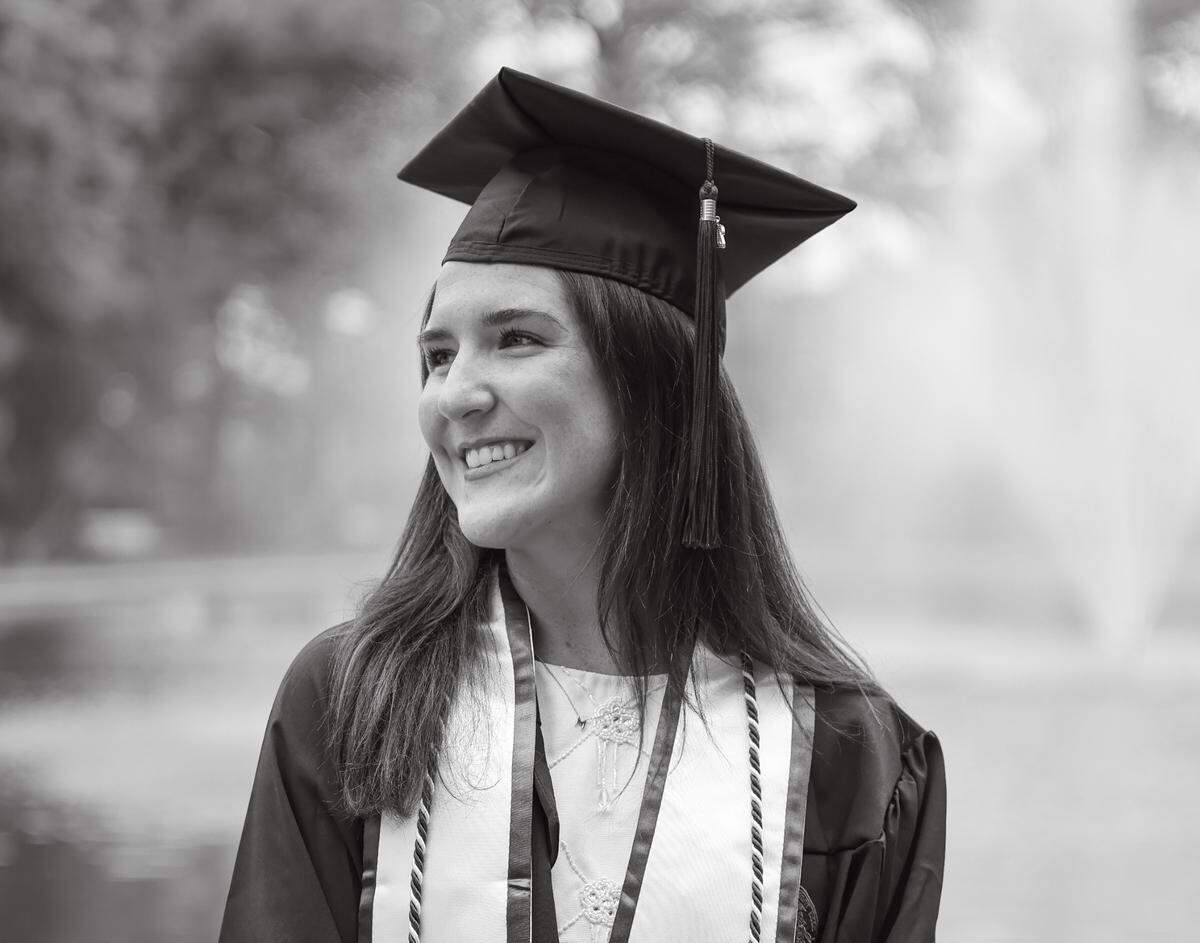
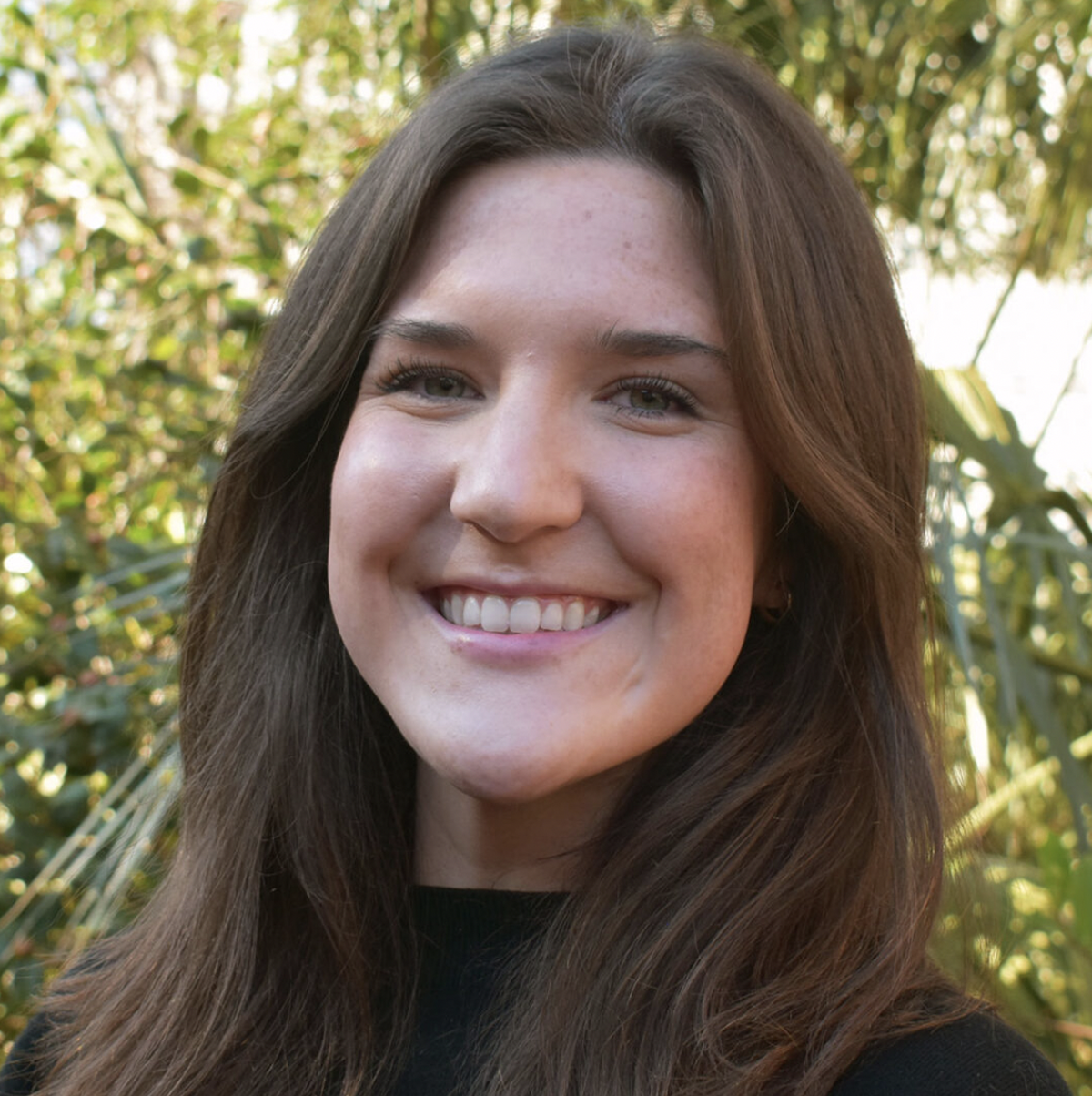
Get to know Margaret Walker, the Macon Telegraph’s new climate change reporter
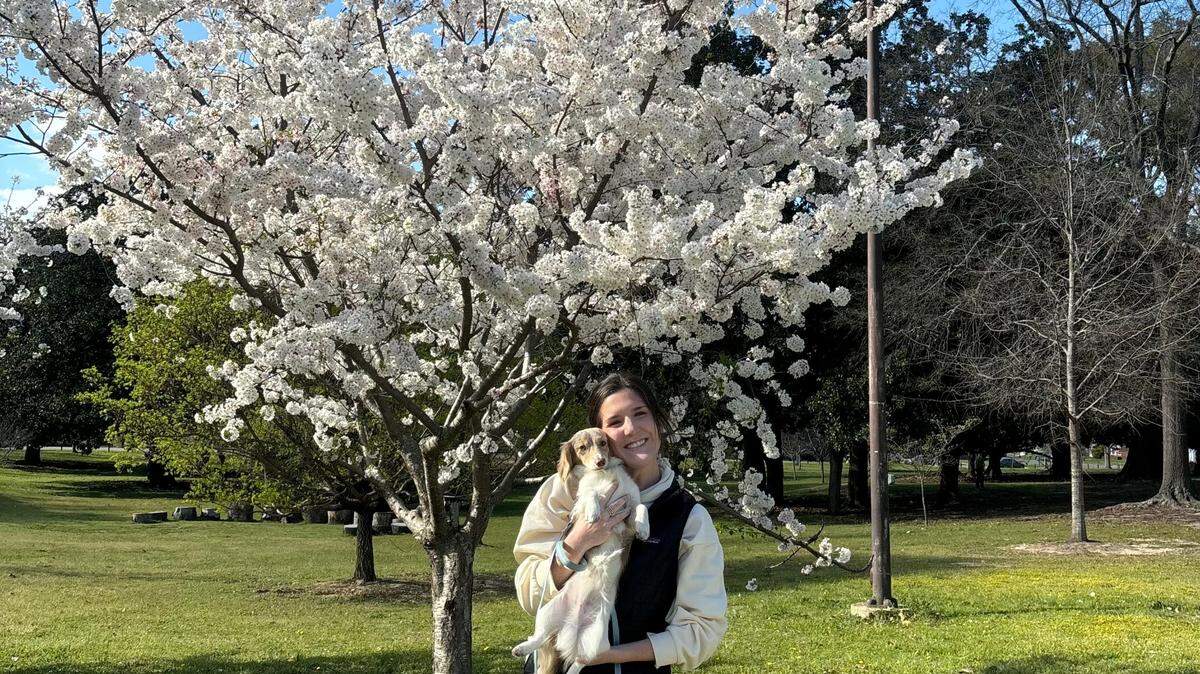
There’s one phrase that has graced my lips an arguably annoying amount since the time I could string words together: What’s your name?
That question, always followed by a slew of other questions, is a testament to two things about me.
I’m fascinated by people and their stories
I never shy away from asking a question
While in many scenarios these qualities could come across as nosy or invasive, in journalism it’s the perfect storm. It’s my job to ask the questions that others might shy away from and to shine a light on the stories that deserve to be told.
My name is Margaret Walker. I was born and raised just three hours up the road in Columbia, South Carolina, and decided to stay for four more years to attend the University of South Carolina’s journalism school. During my time at USC, I wrote for a school-run newspaper, The Carolina News and Reporter, where I got to have my hand in covering the biggest trial in recent South Carolina history. I also interned for The State newspaper, the same newspaper where my grandmother was hired as one of their first full-time female reporters. I credit her for my innate curiosity and courage.
In my last year of school, I was accepted into an environmental reporting fellowship, led by a now mentor, Sammy Fretwell, who’s been doing environmental journalism in South Carolina for over 30 years. He packed each session full of knowledge and it quickly became clear to me how deeply he cared about the work he did. The often complex issues that involve or impact the natural world are important and have serious implications that reach beyond the affecting environment. There was a sense of responsibility present on both sides of the table, both in sharing and receiving that knowledge. I don’t know if I fully understood it then, but I do now. That fellowship planted a seed in me.
When I moved to Macon to do environmental journalism in October, it was the first time I’d ever lived more than 10 minutes from my family. Though I wouldn’t admit it to anyone, I was wary of the move; wary of anywhere other than my hometown. That faded fast. Within just days of living here I’d been invited over for Sunday lunch with a local’s family, and I quickly learned how warm and welcoming Maconites are. It was then that I knew I wouldn’t just be okay here, but that I would be happy.
There are many similarities between Macon and Columbia that made Macon feel like home. Both places have a second-to-nonerestaurant scene and booming brewery business, both are just a drive from a major metropolitan city (and an international airport), and most importantly, both are home to people that love their city and are passionate about seeing it flourish.
This is what I love about the South and the people who live here – there’s a sense of loyalty to the place you call home and to each other. We take care of each other down here, and I believe that includes taking care of the world around us too. Both the sense of community and natural landscape are vastly beautiful, and it makes the South, and makes Georgia, special.
Formally, my title at The Telegraph is a climate change reporter, but I urge you to not let the words “climate change” deter you from following my reporting. I know those words – climate change – are considered controversial to some and make others want to turn away completely, but the stories I cover affect all Maconites, and in some cases, all Georgians.
Since October, I’ve covered the efforts to make the Ocmulgee Mounds the state’s first national park and preserve and breakdown how EPA rollbacks could affect Georgians. I’ve also written about former industrial sites that sit idle because of potentially contaminated soil and about decisions made by the Public Service Commission that could affect your health and your pocketbook on top of affecting the environment. And that’s only the tip of the iceberg.
One thing that I think is misunderstood about the stories I tell is more often than not the effects of climate change don’t just stop at the environment, but rather extend into human health, community development and economic prosperity. An adage as old as time reigns true again: nothing happens in a vacuum, and I believe my reporting helps piece those things together for the public.