A second zombie deer reported in Georgia. Here’s what that means
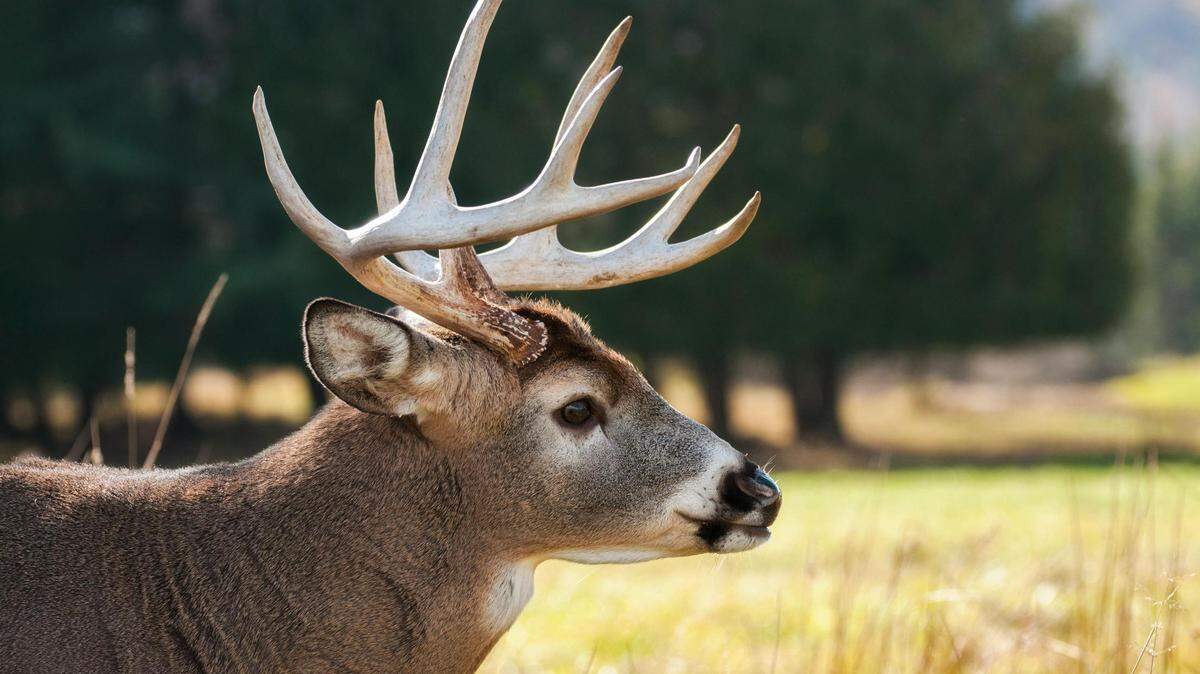
The Georgia Department of Natural Resources (DNR) confirmed another case of Chronic Wasting Disease (CWD) in a white-tailed deer, harvested by a hunter on private property in Berrien County.
CWD is a fatal neurological disease affecting deer, elk and moose. It is caused by abnormal proteins called prions, which accumulate in the animal’s nervous system, leading to weight loss, unsteady gait and eventual death. As the disease progresses, deer exhibit behaviors that make them appear zombie-like.
The Wildlife Resources Division of the Georgia Department of Natural Resources issued a press release to notify Georgia hunters and residents.
“Our staff continues to work in collaboration with landowners and hunters in the CWD Management Area to sample for the disease. These collaborative efforts will help us manage CWD and ensure Georgia maintains healthy deer herds,” said DNR Commissioner Walter Rabon.
How can you spot CWD in deer?
When a deer contracts CWD, it under goes an eerie transformation — from a healthy animal to one that appears mentally and physically deteriorated, moving in an uncoordinated, seemingly mindless manner before eventual death.
Symptoms include:
- Drooling excessively
- Stumbling and loss of coordination
- Blank, fixed staring
- Lowered head and drooping ears
- Loss of fear of humans
- Sluggish or unusual behavior
How does it spread?
Chronic Wasting Disease (CWD) primarily spreads among cervids (deer, elk, and moose) through various mechanisms:
Direct horizontal transmission:
Animal-to-animal contact through bodily fluids such as saliva, urine, blood and feces
Mating and fighting behaviors can facilitate transmission.
Indirect horizontal transmission:
Environmental contamination from infected carcasses, excreta, or contaminated soil, food or water.
Prions can persist in the environment for long periods
Vertical transmission:
From mother to offspring, though less common than horizontal transmission
Aerosol and nasal transmission:
Inhalation of airborne particles containing prions
Can it affect other humans or other animals?
CWD can affect other animals:
Natural transmission outside deer, elk or moose has not been observed, yet.
However, it has been seen to transfer to cattle, sheep, goats ferret, mink, mice, hamsters, and squirrel monkeys in clinical experiments.
Regarding human transmission:
Currently, there is no known transmission of CWD to humans, but recent research suggests a potential risk:
A study using “humanized” mouse models showed CWD prions could infect these mice.
This suggests CWD transmission could, theoretically, happen
While there haven’t been any reported cases of humans contracting CWD The Department of Natural issued an advisory to hunters to have their deer tested before consuming the meat.
What is being done?
The DNR wants to work with landowners and hunters to determine the geographic extent and prevalence rate in that Management Area (i.e., how far it has spread and what percent of deer have CWD).
To help prevent the spread of CWD, Georgia hunters should:
Avoid moving live deer
Properly dispose of deer carcasses
Report any sick or abnormal deer to the nearest WRD Game Management Office
Do not to transport whole carcasses into or out of the CWD Management Area around Lanier or Berrien counties
DNR Commissioner Rabon assures hunters that “deer hunting will continue to thrive in Georgia.” However, the Centers for Disease Control and Prevention (CDC) recommends that “hunters harvesting a deer, elk, or moose from an area where CWD is known to be present have their animal tested for CWD prior to consuming the meat.”
If you suspect an animal in your area may be sick, report cases to the Wildlife Resources Division at 706-295-6041 or visit them at 1334 Second Avenue, Columbus, Georgia.
Thoughts on zombie deer? Email me at srose@ledger-enquirer.com or find me on social media.
This story was originally published April 25, 2025 at 2:12 PM with the headline "A second zombie deer reported in Georgia. Here’s what that means."