How much does the 1% pay in taxes in Georgia? Here’s the break down
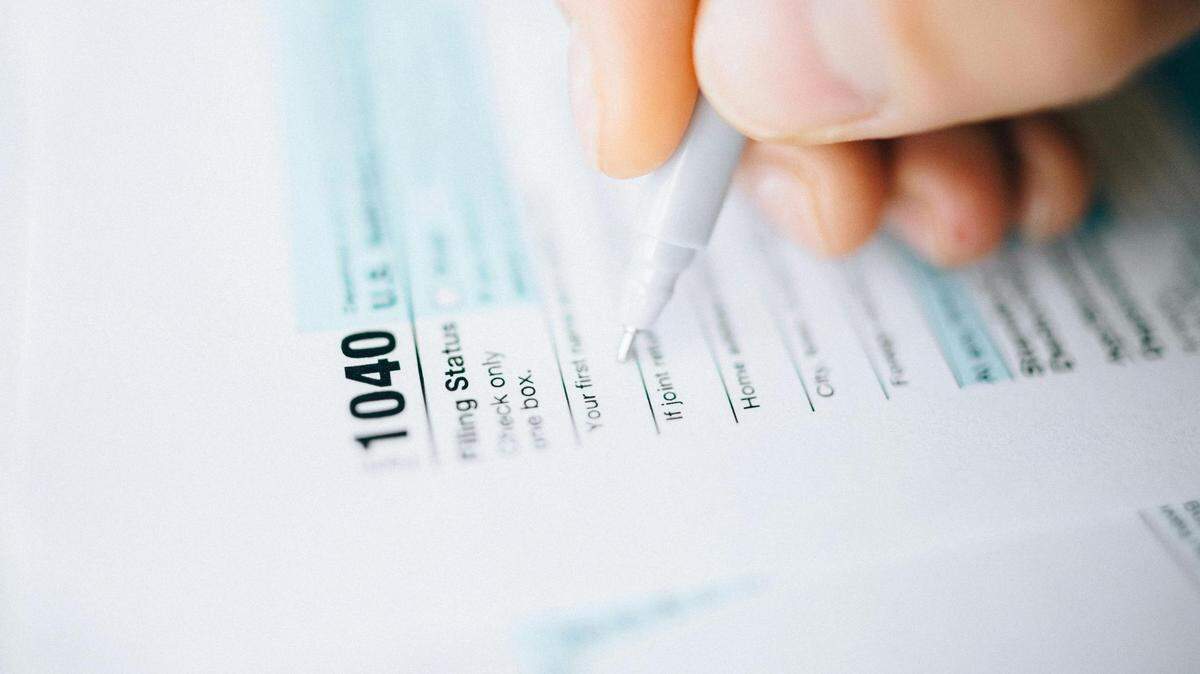
Everyone has taxes on the brain this time of the year and the extended deadline is quickly approaching.
As you pour over your W-2s and your itemized deductions, you might wonder what other taxpayers are facing, especially the super wealthy 1%.
The personal finance website GoBankingRates analyzed individual tax rates by state, using data from the U.S. Census to determine how much the richest populations pay in each state.
Georgia ranks in the top 20 states for highest tax rate for the 1%
The disparity in Georgia’s tax system is stark, with the top 1% of earners shouldering a significant portion of the state’s income taxes while benefiting from a lower overall effective tax rate compared to the poorest residents.
Here’s a breakdown of the numbers and what they reveal about income inequality in Georgia.
Georgia ranks as number 15 among U.S. states with the highest income tax for the 1%.
Total income tax share for the top 1% is 38.3%: Average tax rate percentage for the top 1%: 25.8%
Total income tax for the top 1%: $21,001,340,000
Number of returns for the top 1%: 46,220
What do these numbers mean for Georgia?
The 1% contribute the most money to Georgia and have the most say in policy.
The median household income in Georgia is about $66,559, which is far below the nearly $600,000 needed to be in the top 1%. These numbers mean that a small group of high earners is responsible for a significant share of the taxes, contributing $21 billion in income taxes.
This puts a disproportionate burden of state support on this group, but it also affords an outsized financial grip on state budgets and policy priorities. Through financial leverage, legal loopholes, and institutional control, the top 1% exert significant influence over public policy, according to the Georgia Budget Policy Institute (GBPI).
What does this mean for the lowest-earning Georgia residents?
Georgia’s poorest residents actually pay a higher tax rate than its wealthiest.
According to an analysis by the Institute on Taxation and Economic Policy (ITEP), Georgia is one of 41 states where the poorest residents pay a higher share of their income in state and local taxes than the wealthiest. This regressive structure exacerbates income inequality.
Georgia’s lowest-income 20%—those earning the least—face an average effective state and local tax rate of 10.3%, which is significantly higher than the 6.9% rate for the top 1%.
Key takeaways
The wealthiest Georgians contribute the largest share of total taxes.
Wealthy Georgians benefit from a system that taxes them at a lower effective rate.
This disparity stems from the reliance on flat income tax rates and regressive sales and property taxes, which disproportionately impact low-income households.
For 2025, Georgia residents have until Thursday, May 1, to file their state income tax returns, an extension granted due to Hurricane Helene relief measures. There are even some free filing options.
Is it fair that 1% of Georgia earners pay most of the state’s taxes and have most of the political sway? Email me at srose@ledger-enquirer.com or find me on Instagram.
This story was originally published April 18, 2025 at 2:54 PM with the headline "How much does the 1% pay in taxes in Georgia? Here’s the break down."