
AFTER HOURS: A medley tribute to the 1970s
The Macon Pops’ third season opened Sept. 18 with tables surrounding a dance floor rarely seen during the two hours the orchestra played sing-along favorites from the 1970s. Anita Hall, the guest vocalist who has appeared many times during the past two seasons, knows how to get her Macon audience out of its chairs and on the floor.
“Takin’ It to the Streets,” released by the Doobie Brothers in 1976, had women tripping over their hip-hugger bell bottoms to join Priscilla Esser and Kim Schnell in mini-skirts -- and Carey Pickard in a polyester shirt, complete with a collar the size of a flag -- to recall those disco steps.
Earth, Wind and Fire’s 1978 rendition of “Got to Get You into My Life,” first released in 1966 by the Beatles, brought back steps from the ‘70s hustle, a Latin and swing combination -- which meant any step would do as long as your feet were moving. Melynn Canova and Bob Morgan know their Latin and swing, and outshined the amateurs.
Following this number, Hall sang four solos, emblazoned in our memories, by each of the Beatles during the turbulent ‘70s -- George Harrison’s “What is Love,” John Lennon’s “Imagine,” Ringo Starr’s “It Don’t Come Easy,” and Paul McCartney’s “Band on the Run.”
TRINITY OF TALENT
During intermission, Steve Moretti recognized Rosemary Spiegel, a tireless volunteer who has arranged table reservations since the first concert in 2013. Moretti and Matt Catingub, co-founders of the Macon Pops, and Hall are a trinity of talent that easily convinces the orchestra it is capable of pulling off a concert with only one rehearsal -- on the same day.
Catingub, the orchestra’s conductor, flies in from Hawaii but “jet lag” is not in his vocabulary. Hall, also based in Hawaii, stays in the air as a guest artist all over the country; and Moretti, who lives in Macon, is in demand as a percussionist, appearing with other noted pop and classical artists on the road for several months of the year.
So facile are the three artists handling their ambitious schedules, their collective energy is infectious. The energy reached a fever pitch when a conga line snaked through the crowd to “Jungle Boogie,” or the “Get Down” song, from Kool and the Gang’s 1973 “Wild and Peaceful” album.
Kirsten and Kirk West hosted a post concert reception for the peaceful revelers at their West Gallery on Third Street, where fans could meet the artists who made possible an evening of indulgence for erstwhile ‘70s kids celebrating their “wild side.”
A TRIUMPHANT SILVER ANNIVERSARY
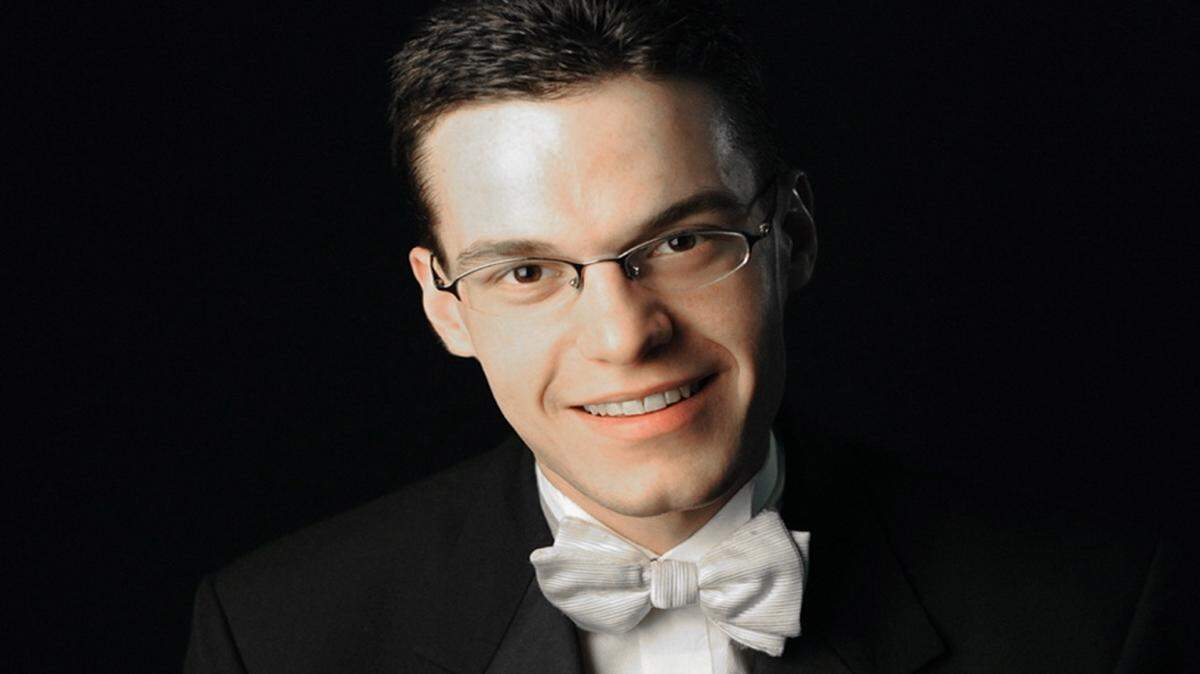
Last Sunday, another season opener celebrated the first event of the 25th anniversary of Music and the Arts at Vineville United Methodist Church. If there was any doubt that Macon’s musical tastes are as diverse as the genres, the sanctuary was full to capacity to hear organist Nathan Laube play a classical repertoire from some of the world’s most revered composers from the 17th to the 20th century.
Despite his 27 years, Laube is a clever and brilliant performer who has made headlines in major cities all over the world for his youthful virtuosity. To better inform his Sunday audience, he discussed each composition before playing it, explaining the writer’s motivation and aspirations in creating each piece.
Opening with “Overture in C Minor” by Englishman Alfred Hollins, Laube elicited applause from his audience after his performance of the sometimes medieval piece, which ended in a stirring crescendo. Hollins, who died in 1942, was a blind organist who taught and wrote music, and was a proponent of organ music being taken out of “the ecclesiastical environment” for the masses to enjoy.
Sergei Rachmaninoff was a contemporary of Hollins and was part of the Russian Romanticism in early 20th century music. Laube’s second selection, Rachmaninoff’s “Prelude in G Minor,” transcribed for organ, was as lively as the first selection was serious.
During the concert, Jimmy Asbell, senior minister at the church, honored director of music Dennis McCleary for guiding Music and the Arts for 25 successful years.
Afterward, the favorite piece of the afternoon, Gioachino Rossini’s “Overture to William Tell,” transcribed for organ by Laube and familiar as the source of the “The Lone Ranger” theme, brought murmurs of appreciation and recognition. Rossini, a 19th century Italian composer, best known for his operas, wrote music that inspired lyrics, even in his sacred, chamber and comedic compositions.
Laube is assistant professor of music at the Eastman School of Music in Rochester, New York. To be his student may be daunting, for he had committed all the pieces to memory, a detail noted by the awestruck audience that had the privilege to see genius at work.
Katherine Walden is a freelance writer and interior designer in Macon. Contact her at 478-742-2224 or kwaldenint@aol.com.