Two Giant Pandas from China's Chengdu Research Base Set to Debut at Zoo Atlanta Soon
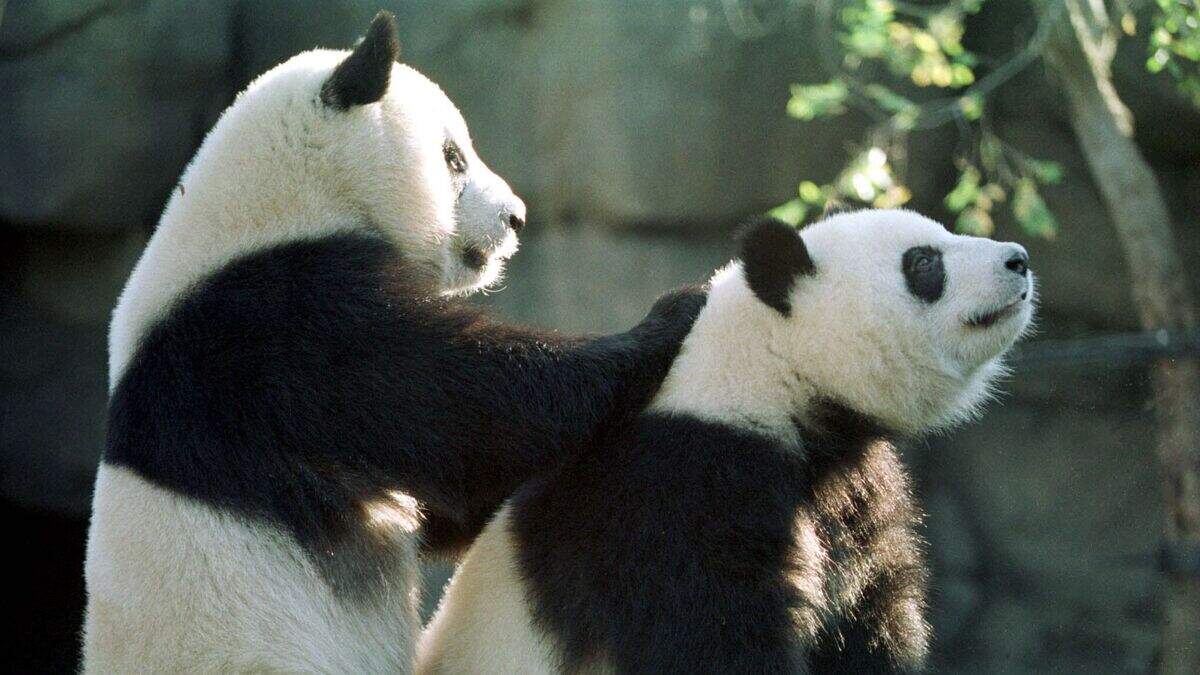
A new agreement between the United States and China is bringing giant pandas back to Atlanta — but the bigger story is what it represents for global conservation.
On April 23, 2026, Zoo Atlanta announced a new International Cooperative Research Agreement on giant panda conservation with the China Wildlife Conservation Association. The deal marks a renewed partnership between the two countries, with a focus on research, breeding and long-term species protection.
After a two-year absence, giant pandas will once again be part of that mission in Atlanta.
Giant Panda Conservation Resumes in Atlanta
The agreement will bring two pandas — a male named Ping Ping and a female named Fu Shuang — to the Atlanta zoo. Both were born at the Chengdu Research Base of Giant Panda Breeding, one of the world’s leading institutions for giant panda conservation.
While their arrival date hasn’t been announced yet, their journey to the U.S. is part of a much broader effort to strengthen international collaboration around protecting the species.
Raymond B. King, president and CEO of Zoo Atlanta, emphasized that the partnership goes far beyond simply housing pandas.
“Zoo Atlanta is delighted and honored to yet again be trusted as stewards of this treasured species and to partner with the China Wildlife Conservation Association on the continued conservation and research efforts that are the most important outcomes of this cooperation,” King said.
Why the Giant Panda Agreement Matters
This renewed deal signals a continuation — and evolution — of decades-long cooperation between the U.S. and China on giant panda conservation.
Programs like this typically focus on breeding, genetic diversity, habitat research and public education — all critical components in protecting a species that was once on the brink of extinction.
The giant panda (Ailuropoda melanoleuca) is currently listed as Vulnerable on the IUCN Red List, a classification that reflects both conservation progress and ongoing risks.
By reestablishing this partnership, Zoo Atlanta is once again becoming part of that global network working to ensure the species’ long-term survival.
A 25-Year Legacy That Laid the Groundwork
Zoo Atlanta is no stranger to this role.
Its original partnership with China began in 1999 and lasted 25 years. During that time, the zoo became one of the most successful breeding centers for giant pandas outside of China.
The original panda pair, Lun Lun and Yang Yang, produced seven cubs between 2006 and 2016 — including two sets of twins — contributing valuable genetic diversity to the global population.
Those cubs — Mei Lan, Xi Lan, Po (now known as A Bao), Mei Lun, Mei Huan, Ya Lun and Xi Lun — all now reside in China, along with their parents, at the Chengdu Research Base.
When the agreement expired in 2024, the pandas returned to China, leaving the Atlanta habitat empty for the first time in decades.
Zoo Atlanta Is Preparing for the Next Phase
Since then, Zoo Atlanta has been preparing for the next chapter.
The zoo began designing and expanding its giant panda complex in early 2025, ensuring the habitat will support both the animals and the research efforts tied to them, per Zoo Atlanta.
The return of pandas isn’t just about restoring a popular exhibit — it’s about continuing a long-term commitment to conservation science.
For visitors, the return of giant pandas will be a highly anticipated moment. But for conservationists, it represents something deeper: a renewed bridge between two countries working toward a shared goal.
With Ping Ping and Fu Shuang set to arrive, Zoo Atlanta is once again stepping into a role it knows well — not just as a destination, but as an active participant in the future of giant panda conservation.
And this time, the partnership carries forward not just history — but momentum.
This article was created by content specialists using various tools, including AI.
This story was originally published April 24, 2026 at 12:33 PM.