
Here’s how Georgia’s high temperatures can cause car tire blowouts
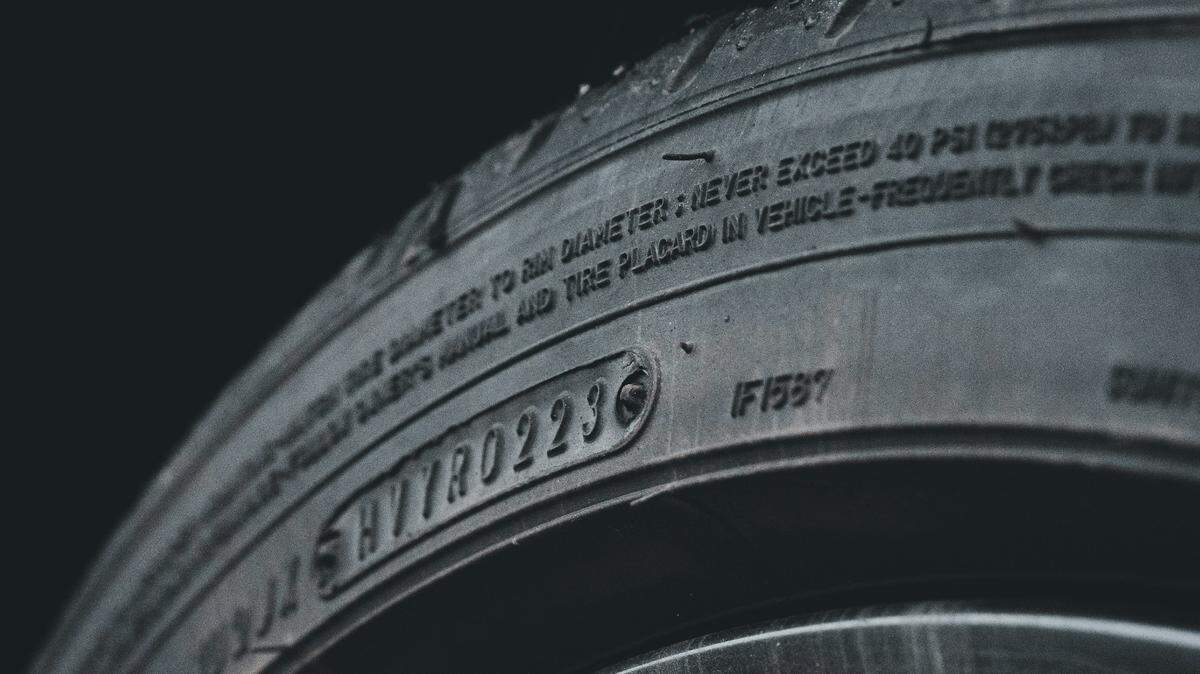
One of the last places you want to be when it’s over 90 degrees outside is stranded on the side of the road with a blown tire. Ironically, this month’s projected temperatures could land you in that exact situation.
As temperatures are expected to remain high this summer, the chances of your having a blowout increase due to the effects of heat on your tires and the current air pressure.
Risks of over inflating tires
Since air naturally expands when temperatures rise, even slightly over inflating your car tires could increase the risk of a blowout. According to Michelin Product Manager Jim Garret, the pattern of tire pressure is that they generally increase by one psi for every 10-degree increase in air temperature.
Having too much air pressure in your tire and increasing friction in hotter temperatures make it more susceptible to spontaneous and gradual damage when hitting road debris, potholes or curbs.
Risks of under inflating tires
If you slightly deflate your tires to compensate for higher temperatures, you can still risk tire damage with lost traction, handling issues and wasted mileage due to increased engine output requirement.
While immediate blowouts aren’t as high on the list of risks with under inflation, long-term damage becomes a concern. Either way, lower performance or safety becomes an issue when navigating changing temperatures.
How can you adjust?
If both over inflating and under inflating your tires cause safety issues while driving, what can you do to stay safe? The short answer for this summer should be consistent monitoring and patience.
Car psi naturally drops during the mornings and rises as daily temperatures rise. Eventually, you probably will need to adjust psi manually to level out tires to be within range of the recommended pressure. Despite this, when you see your tire pressure change throughout the day, there’s no need to panic or assume there is a leak.
The safest practice you can have is to pay attention to your tire pressure gauge (TPMS) regularly and make sure you don’t get too close to your maximum tire pressure while still remaining above the average psi minimum of 20.
Avoiding other causes of tire damage and blowouts is also helpful in preserving its road lifespan. These causes include:
Using older or worn tires
Overloading vehicles
Hitting road debris and roadkill directly
Ignoring bubbles or external bulges
Driving off-road or on damaged roads frequently
Driving recklessly or for unusually long distances
Skipping routine tire maintenance visits