Rattlesnakes are rampant at these GA lakes. What to watch for
It’s snake season in Georgia and if you like swimming in any of Georgia’s beautiful lakes, you may want to be aware of some slithering swim buddies that could join you out on the water.
Specifically, rattlesnakes, to which Georgia has three types: the eastern diamond-backed rattlesnake, timber rattlesnake and Pigmy rattlesnake. And here’s the kicker: all three are venomous.
According to the Georgia Department of Natural Resources (DNR), rattlesnakes live in highly wooded areas like forests and mountains, but they also love lakes.
So, which of Georgia’s lakes are the most infested with rattlesnakes? Let’s take a look:
Top rattlesnake infested lakes in Georgia
Lake Hartwell
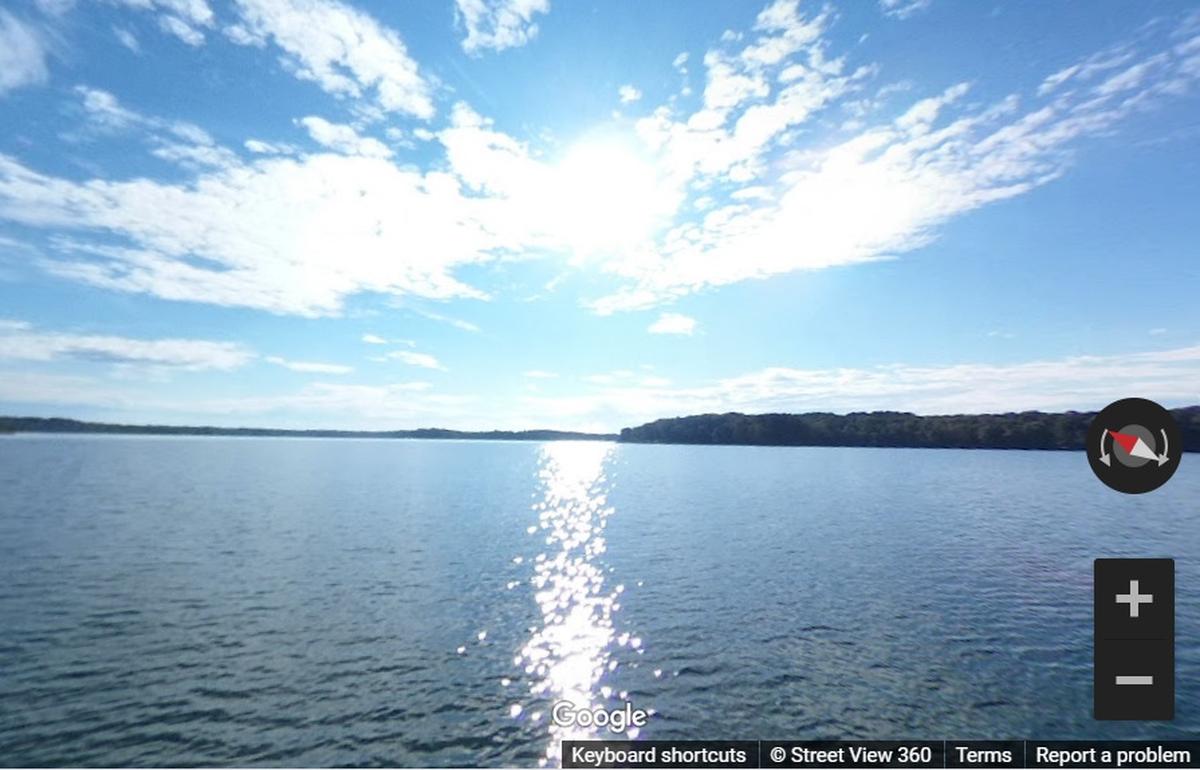
“Along with being one of the largest, Lake Hartwell is also one of the most snake-infested lakes in the country,” according to World Atlas.
Lake Hartwell borders Georgia and South Carolina and is home to nonvenomous species of snakes like the garter snake and rat snake, but the lake also has a couple venomous visitors like the timber rattlesnake.
Pine Lake
“This wetlands environment leads to a rich ecology and is a great place for snakes to congregate,” as stated on the World Atlas blog. And one wetland area that is highly infested with snakes: Pine Lake in Dekalb County, Georgia.
Although many types of snakes are found at this lake, the timber rattlesnake and the Pigmy rattlesnake are the most common.
Lake Lanier
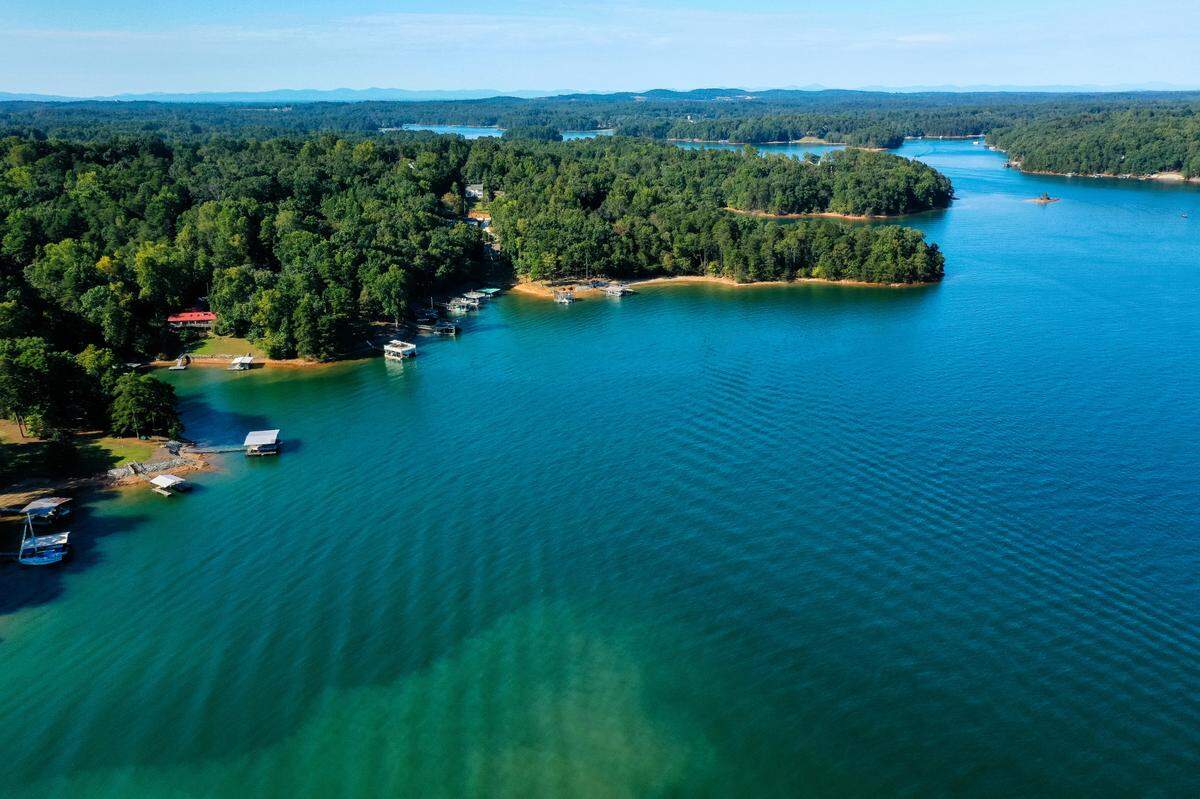
Lake Lanier in Georgia has caused quite the stir in the Peach State, not only for its alleged haunts, but also for its abundance of snakes.
In fact, the timber rattlesnake inhabits the lake quite frequently, giving visitors a scare. However, as A-Z Animals experts said, “Timber rattlesnakes are far more likely to scurry off if they hear you approach,” unlike copperheads.
How to identify a rattlesnake
According to the Georgia DNR, here’s what each rattlesnake in Georgia looks like:
The eastern diamond-backed rattlesnake has a tail with brown and white bands, along with a “rattle.” The upper body of the snake has dark brown diamond shapes, with a thin yellow or white border. The snake is usually between three and five feet long, but it can grow up to seven feet long.
The timber rattlesnake usually ranges between three and five feet long, with a “rattle” tail. The snake has chevron-shaped brown markings and other white or gray coloring.
The smallest of the rattlesnakes is the Pigmy rattlesnake, which ranges between 16 and 23 inches long. The Pigmy usually has a gray or tan background color, but some look reddish. The snake also has dark spots all the way down its body, with a tail accented by a thin rattle.
Have more questions about snakes? Let me know at cmadden@mcclatchy.com.
This story was originally published June 5, 2025 at 11:49 AM.