
COLUMN: The world lost a great light
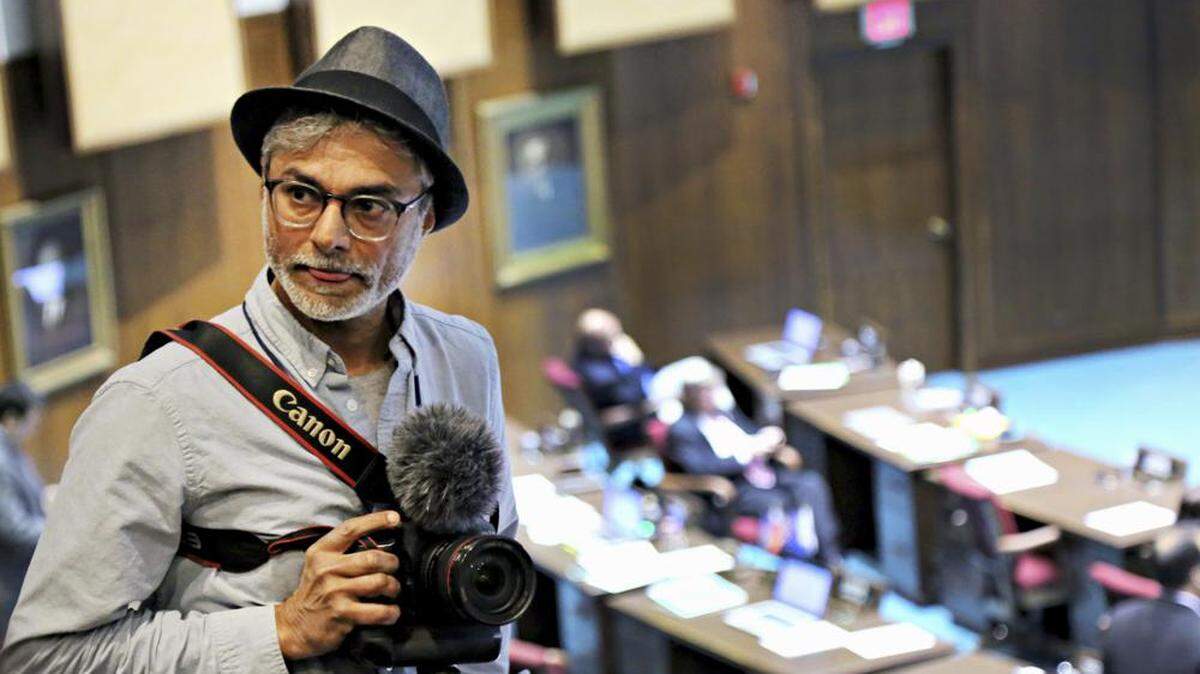
I once wrote a column about the “craziest” parking lots in Macon. It was published on Feb. 4, 1997. At the time, no one could have known the historical significance of the photograph that accompanied it.
It was the Telegraph debut of Nick Oza, the son of a cloth merchant from Bombay, India.
I wasn’t so sure about Nick when he first started working in Macon. He looked lost. He was as green as the infield grass at Luther Williams Field. His broken English was scattered, smothered and diced, like the hash browns at Waffle House.
In the early spring, he went with me to cover a golf tournament at Idle Hour. He later admitted he didn’t know the difference between “tea time’’ and “tee time.’’ On the back nine, I turned to find him in the middle of the fairway, standing in front of the golfers as they prepared to hit their shots. I was mortified.
A few months later, his car broke down, and he was late for an assignment. He called to ask if I could pick him up.
“I love Macon,’’ he said on our way back to the office. “I love my job. I can’t wait to get up every morning and go to work.’’
He rented a small, studio apartment on College Hill, across from the post office. He taped a note to the inside of his door: “I will give my best to the Macon community.’’
For nine years, he was an ambassador for his adopted city and the newspaper that serves it. He documented life around him with passion and compassion. He was a gifted artist, documentarian, historian and, most importantly, a humanitarian.
The wiry, little guy with the accent, who had never heard of the Pulitzer Prize when he came to America, went on to win two of them.
So, it was with great sadness when the news came from across the miles. Nick died on Sept. 27 from injuries he received in a single-car accident three weeks earlier in Phoenix, where he had worked for the Arizona Republic since 2006. He was 57.
He was a champion of those in who live in the margins. He was a camera-toting advocate for those who were shut out, held back and pushed aside.
Refugees. Migrants. Deportees. He found stories in the lines of their faces, the calluses on their feet and the tears in their eyes. Some of his finest work was the plight of immigrants – perhaps because he was one – following their trails from Latin America and Central America.
In Macon, we affectionately called him “Nick O.”
With his passing, the world lost a great light.
Light was what attracted him to photography as a child in India. He was drawn to it, like a moth, and learned how to use its illumination, shadows and reflections.
He was mentored buy a local photographer, who loaned him a book on photography. Nick could not afford to buy the book, so he copied the words by hand.
His desire to study photography brought him to America, where he attended college in Chicago. He planned to pursue fashion and commercial photography, but his professors recognized his keen eye for detail and extraordinary people skills and suggested he focus his efforts on photojournalism.
He freelanced for an Indian newspaper in college and moonlighted for the Chicago Defender, where he took photos in many of the city’s black churches. He had internships in Durham, North Carolina, and Grand Rapids, Michigan. With time running out on his student visa and work permit, he mailed applications to dozens of newspapers across the country.
He landed here, planted his flag, took a deep breath and allowed those around him to teach and nurture him. (And perhaps advise him not to stand in the fairway when the golfers were clutching a 6-iron.)
He approached each assignment with a tireless work ethic and the patience of the Indian philosopher Swami Muktananda, who said: “If you understand yourself, everything will come to you.’’
Over the years, Nick and I worked together on a number of stories, from smoky pool halls to Bible-thumping preachers. We teamed with other Telegraph reporters on a project in Macon’s Unionville neighborhood. I came across a family where a single father was raising his two young children after his wife had been murdered. I did the interviews and wrote the story. Nick raised the bar to another level. He moved in with the family for three days.
He would go just about anywhere and do just about anything to get a photograph – climb a tree, ride on top of a train, cross a river or crawl into tight spaces. In 1999, he scaled a fence at Rose Hill Cemetery to take photos of the grave sites of Duane Allman and Berry Oakley. He was arrested for trespassing. The charges were later dropped, but not before the story was featured on NPR.
He loved angles. High. Low. Wide. He once took my family’s photo for our annual Christmas card at the front of the Mercer campus. He lay in the cold, wet grass to get the shot he wanted. My children still talk about the day Nick O was sprawled on the ground.
We bonded during his time here. We traveled together. We broke bread. I taught him to chew sunflower seeds without swallowing the shells. I was honored when he asked me to write a letter of recommendation when he applied to become at U.S. citizen.
He met his wife, Jacquelyn, while taking classes to improve his English-speaking skills at Macon State College. They had a daughter, Shanti, which means “peace.’’
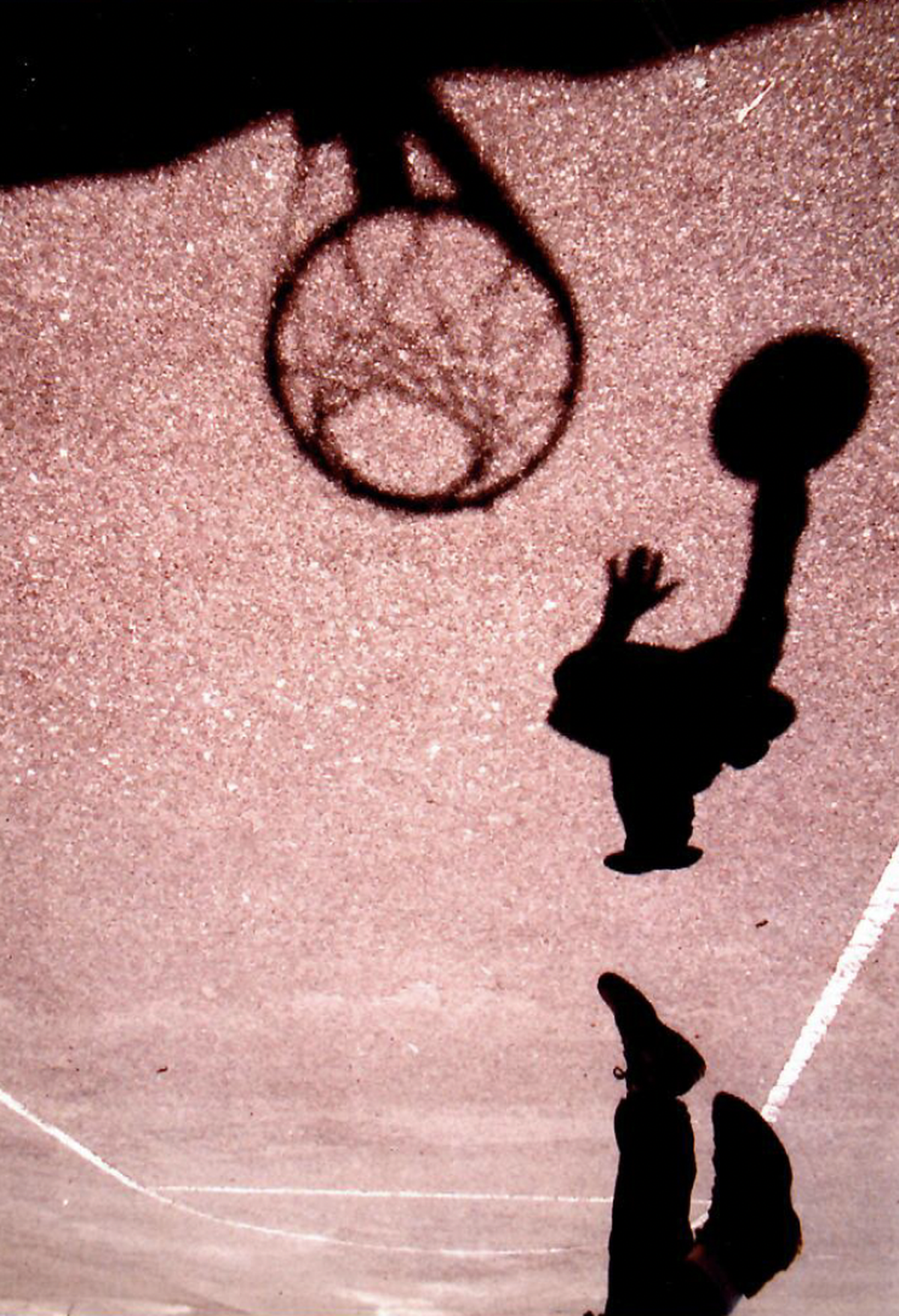
I teach five high school journalism classes at Stratford Academy. I want my students to be visual in their storytelling. In my classroom is a framed photograph of a young man playing basketball on an outdoor court. All you see is his legs from the knees down. Below his shoes is the full-body shadow of him with ball, driving to the hoop.
Nick took that photo when we were working on the Unionville series.
I keep slideshows with compilations of great photographs collected from various publications and other sources. But only one folder bears the name of the photographer who took them.
Nick O and I once worked together, I proudly tell my students. He might have been the best there ever was.
Ed Grisamore teaches journalism at Stratford Academy in Macon. His column appears on Sundays in The Telegraph.
This story was originally published October 10, 2021 at 7:00 AM.