
Cagle couldn’t go anywhere except from where he started
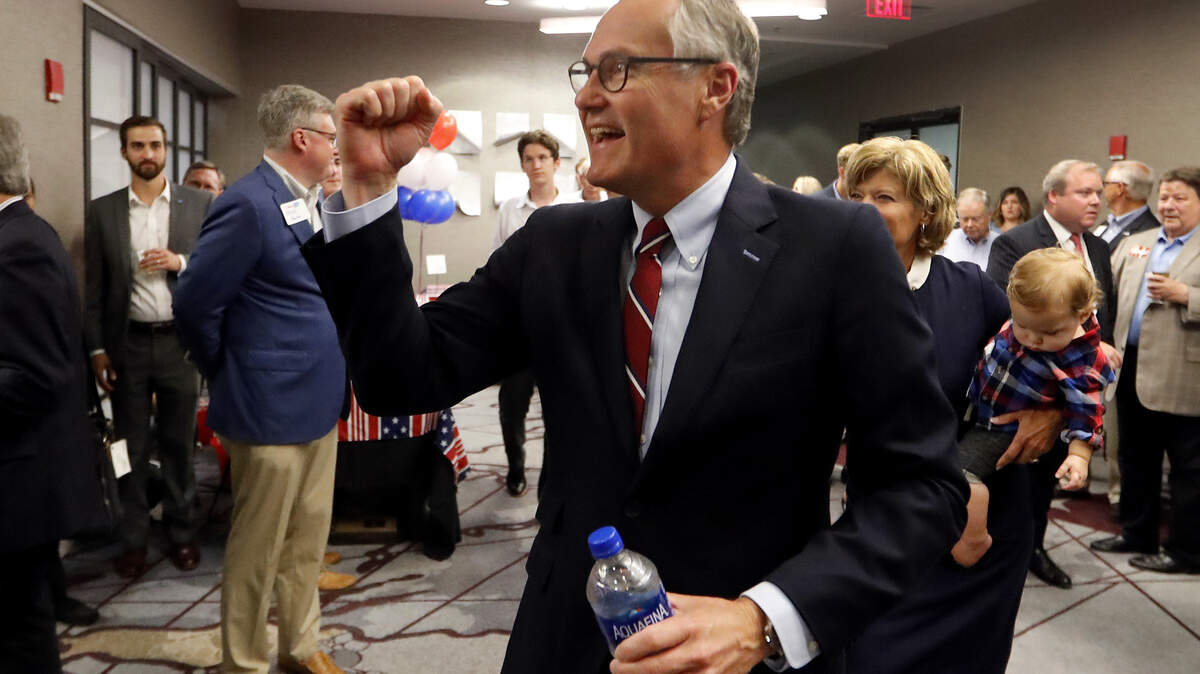
When the polls closed the night of the Republican primary, it looked like it would be Casey Cagle’s campaign to lose, and lose he did. What is most striking about the entire process is that he hit a ceiling in the primary and could not persuade the high number of undecided voters to come his way. In January, Cagle started at 35 percent in opinion polls. After millions spent, he never got above 39 percent primary night.
Cagle took for granted that voters knew him since he had been the state’s lieutenant governor for 12 years. But he had no strong record of his own to run on, having been in the shadows of two separate governors. Instead of building on Cagle’s core competencies, his campaign made the strategic decision to shape the runoff. The campaign started running attack ads against Hunter Hill and Clay Tippins.
Like the dog that caught the car, the campaign got exactly what it wanted. Brian Kemp made the runoff with 25 percent of the vote. Hill had 18 percent of the vote and Tippins got 12 percent of the vote. As a general rule, when lower tier candidates attract a following, they are attracting loyal support. In other words, Cagle headed into a runoff against a man who had gotten a quarter of the vote and alienated almost an additional 30 percent of voters by attacking their preferred candidates. He also earned the enmity of the candidates.
An under-appreciated aspect of the race is that Cagle consistently lost straw polls at local Republican events in the run up to the primary. Grassroots activists did not care for him. They did not trust him. But the Cagle campaign assumed there were plenty of Republican voters out there who did not go to those events. Instead of circling back and trying to win those grassroots voters’ support and instead of trying to woo the Hill and Tippins’ voters, Cagle went negative against Kemp immediately. He made it all about Kemp. He also made it impossible to overcome what happened next.
In making an effort to get Tippins’ endorsement, Cagle invited Tippins to his office unaware that Tippins was recording the conversation. On the recording, Cagle clearly did not hold Republican primary voters in high regard and admitted he backed a school choice policy he personally hated because he needed to stop Hill from getting a campaign contribution. Voters who already did not trust Cagle now had more distrust. In their minds, Cagle would say or do anything to get elected.
As the campaign wore on, Gov. Nathan Deal endorsed Cagle. This actually amplified the damage. Deal had said he would not endorse. To come out and do it once Cagle got in trouble reminded voters of the deep distrust they have for their own party’s leadership in Georgia. From the religious liberty issue to faith based adoptions to campus carry, the grassroots of the GOP in Georgia have been seething with rage over repeated lies by their leadership and now knew, from the Cagle tape, that the feelings of contempt went both ways. Kemp earned 57.8 percent of early voting.
Finally, and most destructively, Cagle, who had supported Jeb Bush in the 2016 election, suggested President Donald Trump endorsed him. Multiple sources in and around both the Kemp campaign and White House tell me that pushed Trump to get involved for Kemp. Kemp won 75 percent of votes cast on Election Day and 70 percent of total votes. Cagle, after 24 years in politics, will move on to other things.
Erick Erickson is host of Atlanta’s Evening News on WSB Radio.
This story was originally published July 25, 2018 at 5:27 PM.