
Here’s a real inconvenient truth: Electric cars are garbage that help China pollute | Opinion
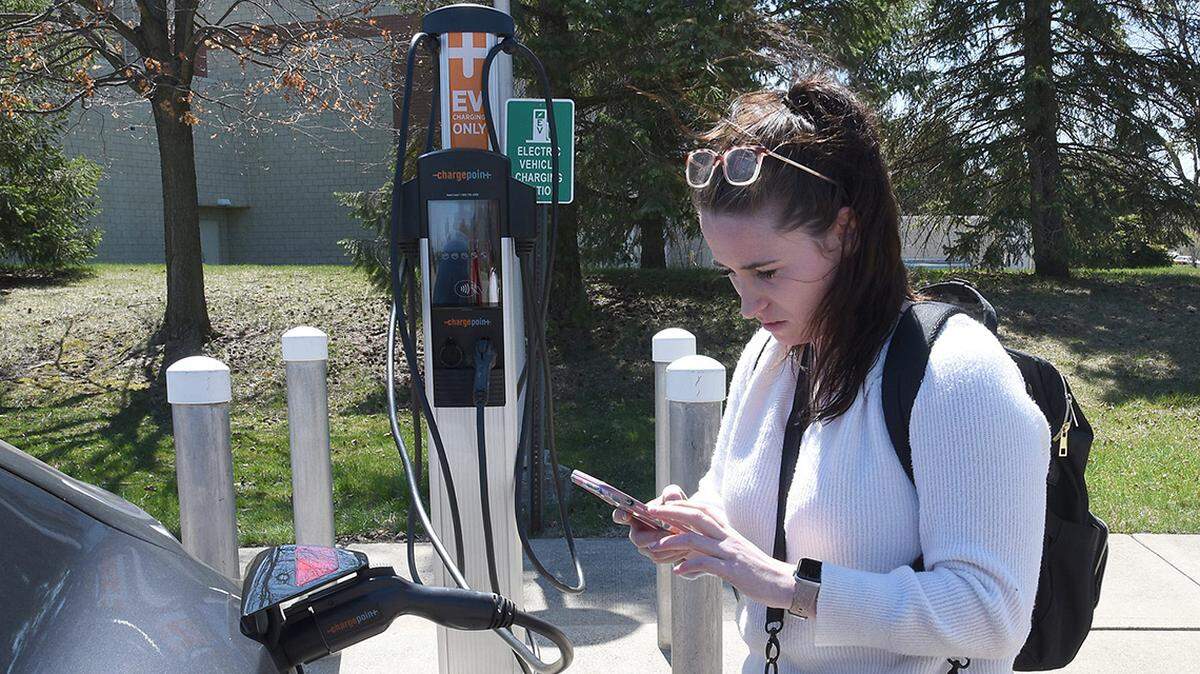
Buying an electric car has become secular America’s favorite sacrament. Belief in the sacredness of electric cars has even trickled down into my first grader’s worldview.
When I explained to my wife why I was writing this column, my 7-year-old confidently walked up to me and said, “Daaaaaaaad, why do you say such silly things?”
Well, kid, it is buying an electric vehicle that is going to look silly in a few years. Eventually, reality will set in even as the Biden administration pours billions into a nationwide campaign that is buying electric school buses in Kansas City and St. Louis and putting in thousands of electric vehicle charging stations all over the country, including some planned for Columbia, Missouri.
Electric cars are a disaster, no matter how you look at them. Whether it is as practical transportation, a moral decision or as an environmental sacrifice we all have to make, electric cars fail to live up to the hype that has even turned my little girl into an Elon Musk groupie.
First, consider electric cars as basic transportation that takes us to work, the grocery store or the weekend cabin. They’re junk. Don’t take my word for it — listen to Consumer Reports. They did the research and found that electric cars have 80% more problems than regular cars. And it isn’t just a problem with a few manufacturers that don’t know how to make them yet. No electric cars did really well, and plug-in hybrids did even worse.
Then there’s the problem of range. Tesla is walking back its range claims by about 10%, but it isn’t just Tesla and it isn’t just when they’re new. Car batteries get weaker the more times you charge them, so as your car gets older it won’t go as far, even if the label was accurate when you bought it. And then consider the fact that winter comes every year — they don’t go as far in cold weather, either.
If you need to get to the beach or the mountains, you may just be out of luck without taking a pit stop or three that will be longer than you’re used to spending at the gas station, even if you are first in line at the charger.
Plastic parts, toxic rare metals in batteries, landfills
Then there’s the moral question. If you don’t like China buying farmland outside American military bases, when we all have electric cars, a piece of China will be in all our garages. More than 60% of the supply chain for electric car batteries comes from a country where Muslim minorities are used as slaves, dissent gets you sent to prison and Hamas is a misunderstood patriotic men’s club. The rare metals used in the batteries are mostly dug up and refined there.
If you think climate change is the defining moral challenge of our time, you might not want to bet your future on a country that is still building coal-fired power plants. Indeed, so much of the Chinese economy is powered by coal that there are dueling studies on whether electric cars actually produce less CO2 over their life cycle than gas-powered cars.
Leaving aside climate change, consider the other environmental problems raised by electric cars. The theme of Earth Day 2024 is “Planet vs. Plastics.” How do you think that electric cars get light enough that our still primitive electric batteries can move them? By replacing heavier materials with lighter, environmentally dubious plastics.
How much of America are you willing to dig up? If we’re not going to get the rare materials needed for car batteries from China, chances are we’re going to have to make a lot here. The problem is that it takes far more earth to get one ounce of rare earths for a battery than it takes to get one ounce of copper for a wire. Electric car booster Democrats are already planning to do things like dig up the Salton Sea in California where the nation’s toughest environmental laws will turn an environmental boondoggle into an endless legal tangle to boot.
And the impact won’t be just a far-away problem. America’s only supply of niobium and among the largest supplies of other rare earths is between Kansas City and Omaha on a site that could encompass 7,800 acres not far from the Missouri River.
And then we get to the last problem: What do we do with all these electric car batteries when they’re old and useless? Well, that’s an expensive and likely toxic problem that has already been building for years. We do know a few things. If they get into our landfills, the toxic heavy metals will leak into our water and possibly set those landfills on fire. In the past, our solution to difficult recycling problems has been to export them to places where environmental rules are more lax. That’s what we already do with our existing car batteries.
So yeah, kiddo, it is silly to cast doubt on our electric car future, but when this mess finally becomes obvious, I am going to be riding off to retirement and you’re going to be holding the bag. That’s not going to feel so silly.
This story was originally published January 24, 2024 at 7:30 AM with the headline "Here’s a real inconvenient truth: Electric cars are garbage that help China pollute | Opinion."