Middle GA wildlife included in state’s updated protected species list. Which ones?
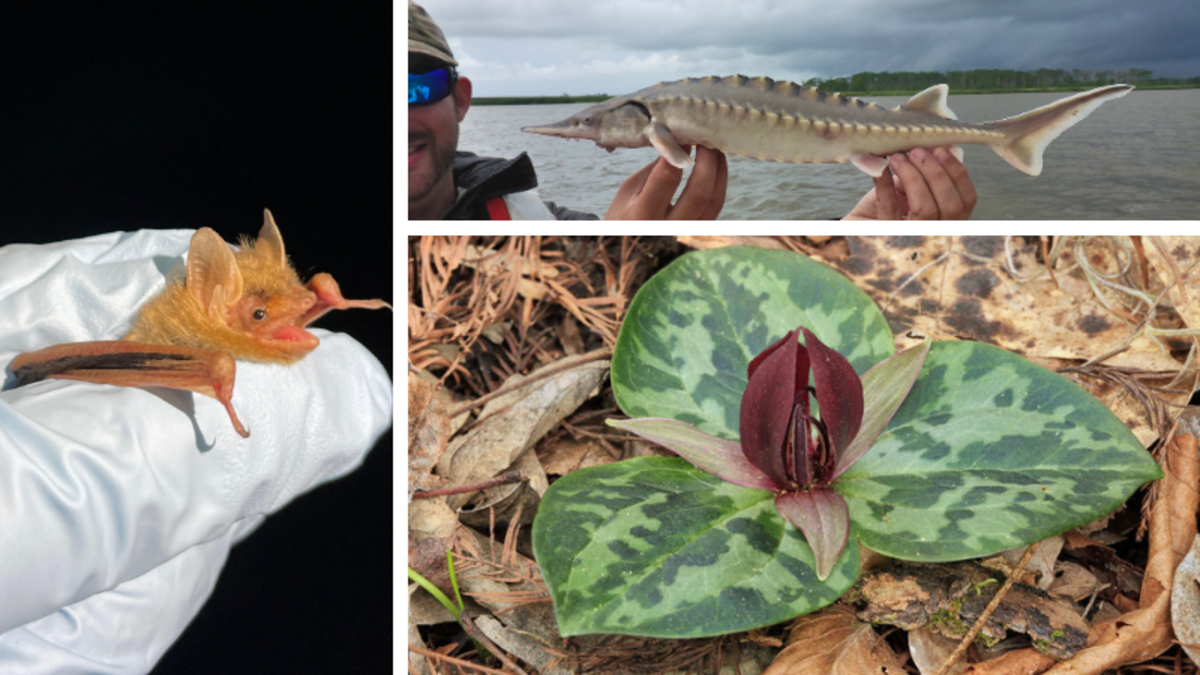.png "Several species, like the ones seen here, are included in proposed changes to Georgia’s protected species list, the first time revisions have been made since 2006. Clockwise from left to right: a Tricolored Bat, an Atlantic Sturgeon and the Ocmulgee Trillium.")
The Georgia Department of Natural Resources has updated its protected species list for the first time since 2006, adding nearly 90 species that face challenges to survival. At least eight species — a snail, a wildflower, three fish, a butterfly, firefly and a bat — are among those found in Middle Georgia proposed for new or updated protections.
The list’s revision would add 141 species, remove 51 and grow the total from 318 to 408.
Brett Albanese, DNR’s assistant chief of wildlife conservation, said the timing is tied to the completion of Georgia’s 2025 State Wildlife Action Plan, which engaged hundreds of species experts from universities, conservation groups and the public to assess the status and threats of species statewide. That work informed the proposed changes. The list has grown for two reasons: better science and real threats. Some species are newly added because researchers now recognize them as distinct species with limited ranges — they were always imperiled, we just didn’t know it yet, according to Albanese. The Altamaha Bass is the clearest example.
Others are being added because threats are genuinely increasing: water pollution, agricultural and urban runoff, development pressure and data center expansion are all driving more species toward the need for protection.
“From water pollution, development, runoff from agricultural areas and urban areas… we have data centers being built around the state,” Albanese said. “We know that those threats are increasing, primarily due to the urban growth piece, which uses more water. We want this to be an objective science-based process. We identified those threats of the species, and so that’s one of the reasons more species are getting added now.”
Which species are affected?
Changes to the protected species list reach across every category of wildlife. The invertebrate category sees the largest expansion, growing from 51 species to 86. Plants would grow from 155 to 197. Mammals, the smallest on the list, grows from 10 to 12.
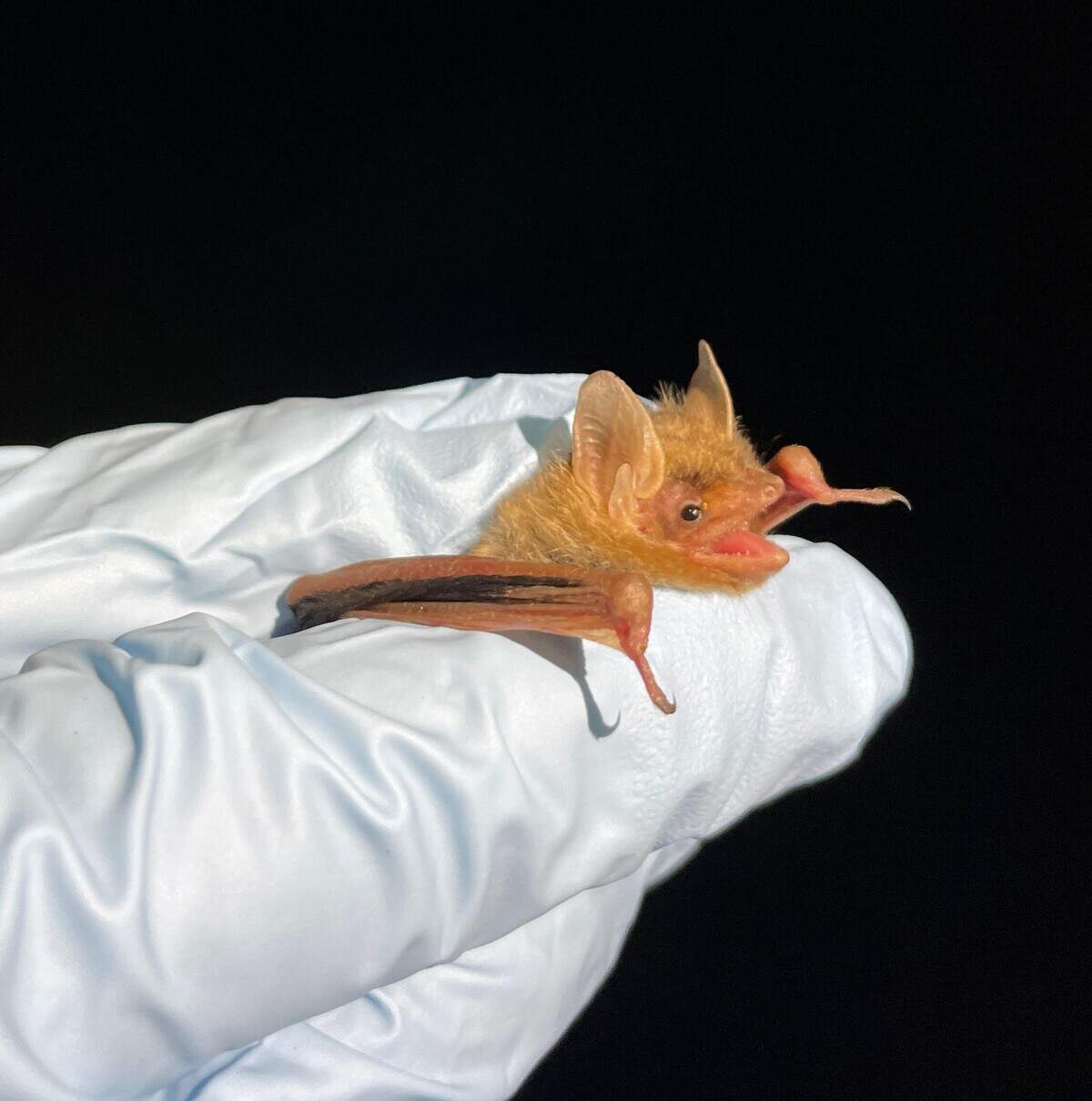
The tricolored bat, once common across all of Georgia, has seen colony declines of 90-100% at affected sites linked to white-nose syndrome, a fungal disease that has spread through cave systems across north Georgia and decimated bat colonies statewide.
The Ocmulgee Marstonia, a freshwater snail, is one of three snail species found nowhere else on earth except the Ocmulgee River near Hawkinsville, and the Ocmulgee Trillium, a wildflower known from floodplain forests in Houston and Bleckley counties, are both newly proposed as endangered.
The Altamaha Bass, a species only formally described by scientists last year, is proposed as newly threatened.
The Altamaha Shiner, a minnow native to the upper Ocmulgee and Oconee river systems, would be down-listed from threatened to rare — a sign of some recovery.
The Atlantic Sturgeon and Pointy-lobed Firefly are two more examples, according to Albanese. The Monarch butterfly and Tricolored bat are two species found statewide, including in Middle Georgia, that also were added to the list.
Georgia’s protections for endangered species
There are two acts to protect species found on this list: the Georgia Endangered Wildlife Act, which covers animals, and the Georgia Wildflower Preservation Act, which covers plants. “For protected animals you cannot intentionally kill them… that would be violating the (Georgia Endangered Wildlife) Act and is punishable as a misdemeanor,” said Albanese, “For protecting plants, you cannot take them from state lands … and you also have to get a permit from DNR before you transport them.” Removal of plants from private land requires landowner permission, Albanese said.
State-level protections differ from federal ones in a significant way: a Georgia listing applies only on state-owned land, such as state parks. It does not extend to private land, which makes up roughly 90% of the state’s 38 million acres, according to Georgia Conservancy.
But Albanese said the listing still drives real conservation action beyond those boundaries. Georgia DNR works closely with the Georgia Department of Transportation, for example, which voluntarily takes steps to protect listed species near highway and infrastructure projects — like relocating freshwater mussels before construction begins on a nearby waterway, or adding sediment controls at job sites to prevent runoff from reaching sensitive habitat.
“GDOT doesn’t have to do those things, but they do them because they want to help us protect these endangered species,” Albanese said.
What happens next?
The draft list goes before the DNR board in August, when it will be posted for a second round of public comment before rulemaking is completed. Residents can nominate species for addition, deletion or status changes through the agency’s website through June 30.
“The best time to conserve a species is while you can,” he said. “Protect habitat, keep populations healthy — that’s how we’re going to prevent the need for these regulations.”