Rain puts a dent in Middle Georgia's drought, ‘but we need more’
After weeks of punishing drought conditions, recent rainfall has begun easing one of the worst dry spells central Georgia has seen in more than a decade. But for the rivers, farmers and residents of Middle Georgia, the relief may be more fragile than it appears.
The latest US Drought Monitor, released Thursday, showed meaningful improvement across the state. Parts of central Georgia have been downgraded from ‘extreme drought’ to ‘severe drought’ following the recent rainfall.
“I’ve never seen conditions like this during the spring,” said Fletcher Sams, executive director of the Altamaha Riverkeeper, which monitors the Ocmulgee River and its tributaries across Middle Georgia. “The Ocmulgee and Oconee were improved with the rain, but we need more.”
How bad was it?
Georgia experienced one of its driest September-through-April periods on record dating back to 1895, according to Chris Ferman of the Southeast Regional Climate Center. Many parts of the state received only about half their normal precipitation over that stretch.
Macon has recorded about 11 inches of rain so far this year, against a normal of more than 17 inches. According to projections presented at a May NOAA drought webinar, Georgia needs between 14 and 20 inches of rain over the next three months just to move to a less severe drought category — not to return to normal.
State climatologist Pam Knox, who has tracked Georgia weather for decades, said the timing is what set this drought apart.
“This drought is somewhat different because it got so bad early in the spring, which is unusual since drought often grows worse over the summer,” Knox wrote in her Georgia Climate newsletter.
What drought and rain means for farmers
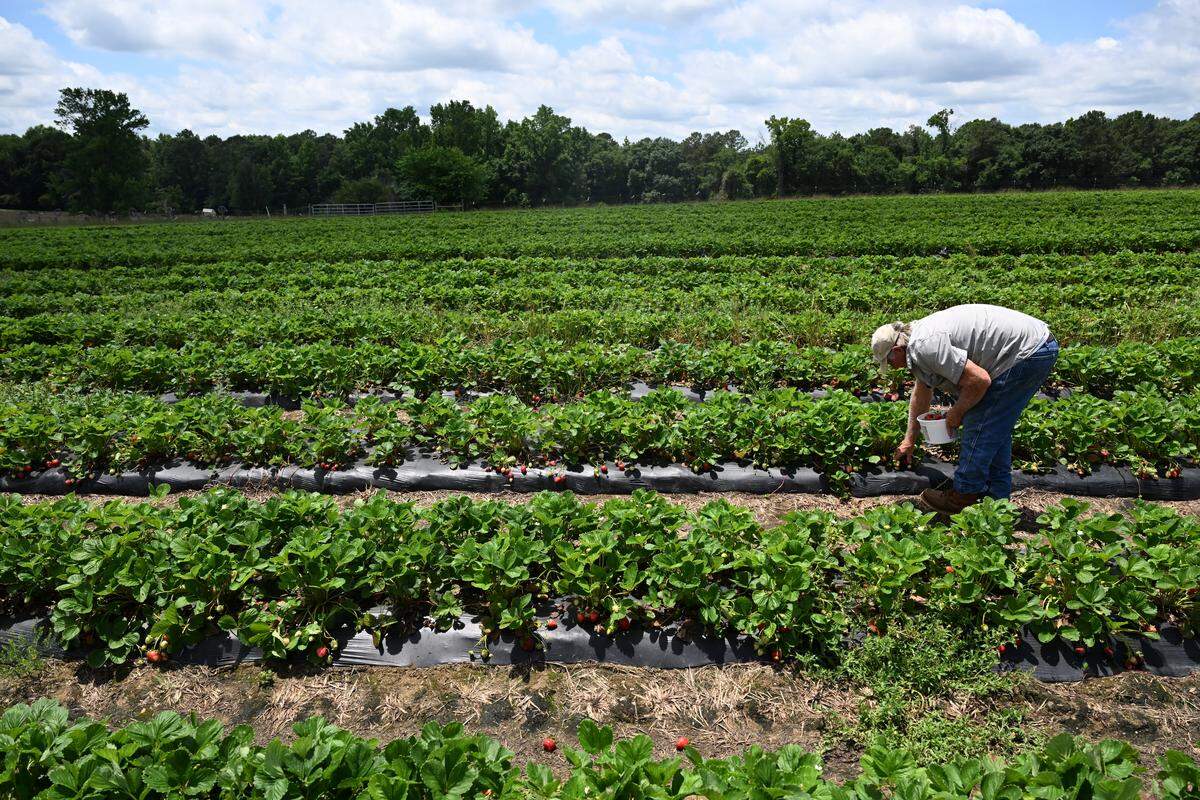
For Russ Elliott, a Bibb County livestock and strawberry farmer of 30 years, the drought delivered a split verdict depending on which part of his operation you were looking at.
His strawberry crop — three acres of it — had its best season ever. A dry April meant almost no fungus pressure and higher yields.
His cattle were another story. From Christmas through March, the grass Elliott grows in his pastures every winter for supplemental grazing never germinated. The soil was too dry. With nothing green to eat, his herd was entirely dependent on stored hay through what should have been grazing season.
Knox says climate change is making droughts like this one harder on crops and livestock. Higher temperatures drive more evaporation from soil and more water loss from plants, while rainfall patterns are shifting toward harder, less frequent storms with longer dry spells in between — putting sustained stress on crops that need roughly an inch of rain per week to thrive.
“In March and April it was serious. Every day it got worse,” Elliott said. “When you’re in a drought, every day is worse than it was yesterday.”
While Elliott’s strawberries thrived in the dry conditions, Knox noted that non-irrigated crops across the state struggled to germinate, and farmers who rely on surface water rather than wells faced an even harder road.
“There is no doubt that damage occurred, such as poor germination of newly planted crops and loss of pollination of corn due to the dry weather,” Knox told The Telegraph. “The recent rain has provided some relief, but soil moisture at the root level is still low so if we go into another dry spell the crops may be stressed again.”
As for whether a tough season like this shows up in grocery store prices, Elliott said the connection is real but hard to trace. Beef prices right now are “just out of sight,” which he attributed partly to national cattle herd numbers being at an all-time low, according to Elliott. His pick-your-own strawberries were priced just above what grocery stores were charging, as usual.
What was the effect to the Ocmulgee River?
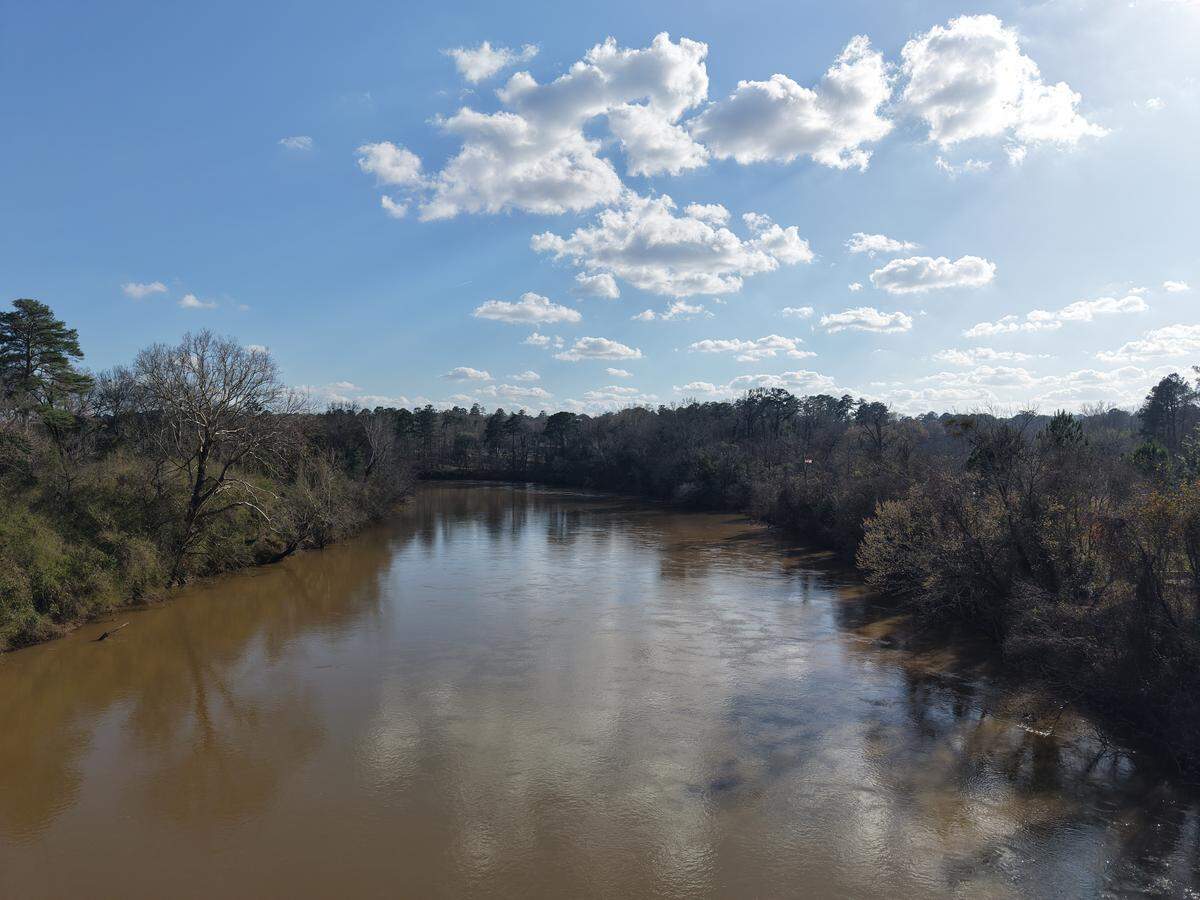
The Ocmulgee dropped to roughly 260 million gallons per day at its lowest point this spring, according to Sams. To put that in perspective: the total amount municipalities, agricultural users and industries along the river are legally permitted to draw from it nearly matched what was actually flowing through it, according to Sams.
For people who use the river recreationally, the effects were hard to miss. On the upper Ocmulgee, low water levels turned normally navigable stretches into obstacle courses of exposed rock and shallow shoals. Even canoes and kayaks struggled to pass through, according to Sams.
Below the surface, damage from the drought ran deeper. Warmer water temperatures, reduced oxygen levels, and what Sams calls “aquatic connectivity issues” — fish losing the ability to move freely through the system — put stress on the river’s ecosystem, according to Sams.
The Ocmulgee and Oconee have both improved since the recent rainfall. But Sams is careful not to overstate the recovery. “We need more,” he said.
Your tap water was safe all along
While the Ocmulgee was under stress, Macon’s drinking water supply held up throughout the drought.
The Macon Water Authority pumps water from the Ocmulgee into Lucas Lake, a reservoir that holds roughly 5.8 billion gallons — enough to supply the city for 90 to 120 days on its own, according to MWA. At the height of the drought, Lucas Lake sat less than two feet below full pool, well above any warning threshold, according to MWA.
The authority asked customers to voluntarily cut water use by 10% but never moved to mandatory restrictions.
Are we out of the woods?
May finished wetter than normal across most of Georgia, and Knox said in a recent post on her UGA climate blog that the rain “has put a dent in the drought.” But one good month doesn’t undo eight bad ones.
For Elliott, the rain’s arrival was immediate and visible. The pastures he’d watched go barren through months of drought came back almost overnight. His cattle, which had been walking the fences looking for green grass, finally had something to eat. Hay that was weeks behind schedule is now ready to cut.
“That rain was a blessing,” he said.
But to stay in good shape through a hot Georgia summer, “you really need a shower or two every week,” Elliott said.