
Will GA gas prices continue to surge as the Iran attacks continue? Here’s what to know
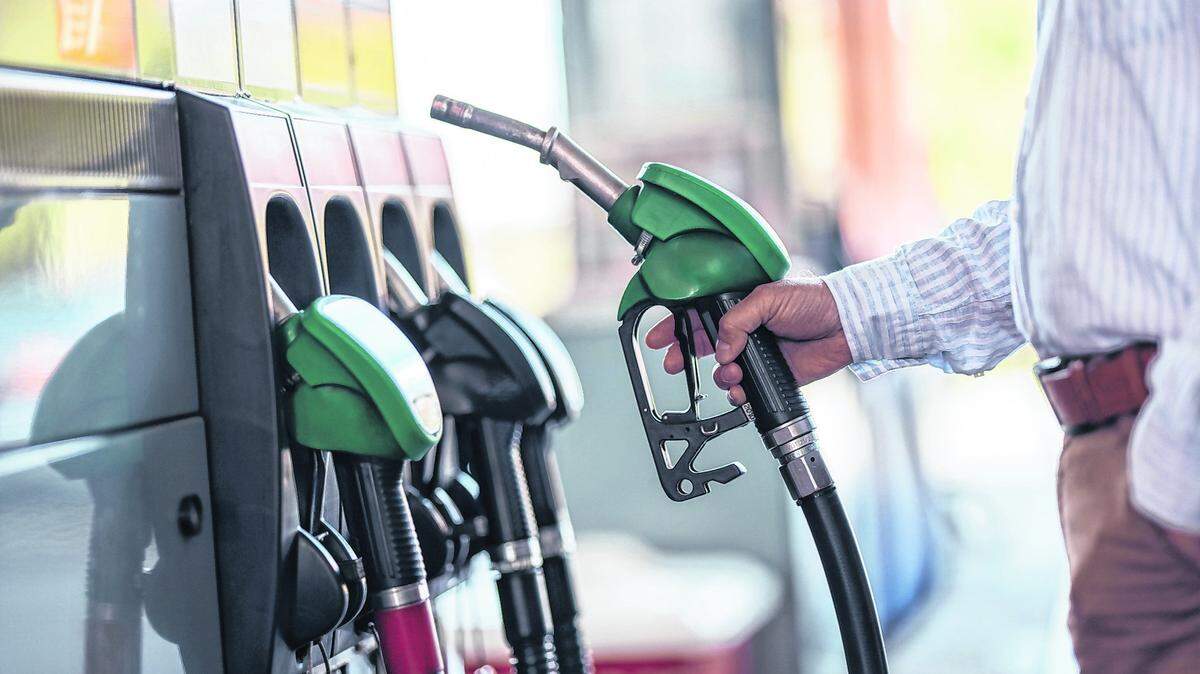
The price of gas always goes up as the weather warms up, but the U.S. strikes against Iran are driving the cost at the pump even higher, even if it’s only temporary.
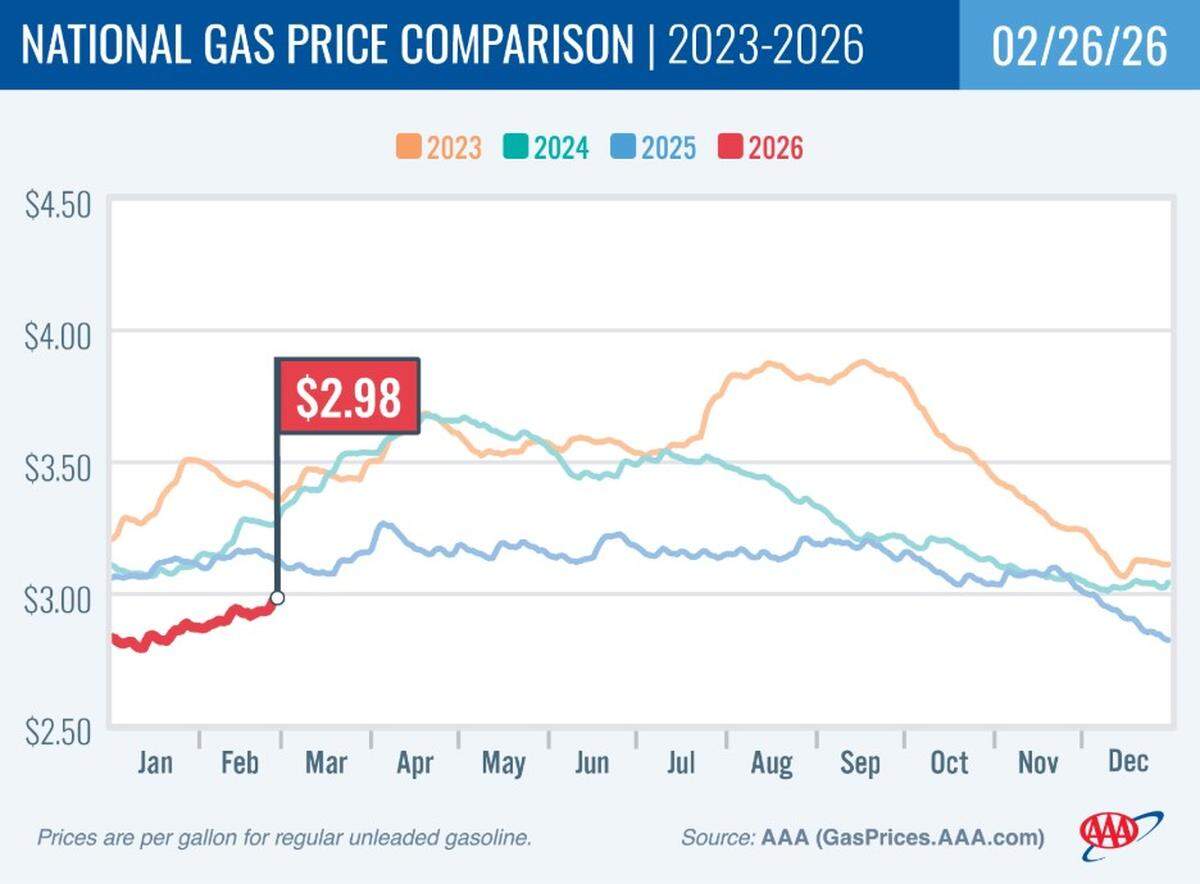
Fuel is typically higher in the summer because refineries switch to pricier summer-blend fuel right when demand starts rising. This year, the U.S.-Israel conflict with Iran has turned what was a routine seasonal price bump into something considerably harder to forecast.
Why is gas more expensive in summer?
You pay more for it every year without knowing it. Refineries begin switching to summer-blend production as early as March, with a federal compliance deadline of May 1 for fuel terminals and June 1 for retailers.
That premium runs up to $0.15 per gallon compared to winter blend, not counting the added pressure from seasonal demand.
The American Fuel and Petrochemical Manufacturers (AFPM) explains:
Summer-blend gasoline:
- Has a lower Reid Vapor Pressure (RVP)
- Evaporates less in warm temperatures
- Reduces smog
- Costs more to make
After summer ends, prices typically drop. Gas stations can begin selling winter-blend fuel again after Sept. 15, and prices usually fall $0.10 to $0.30 per gallon through late fall.
How will the strike on Iran affect prices?
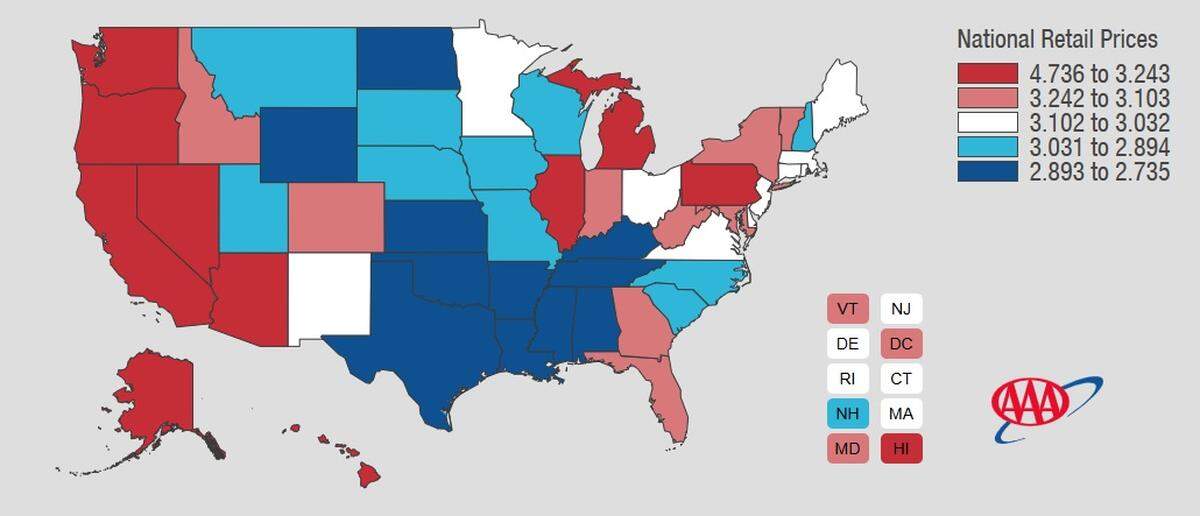
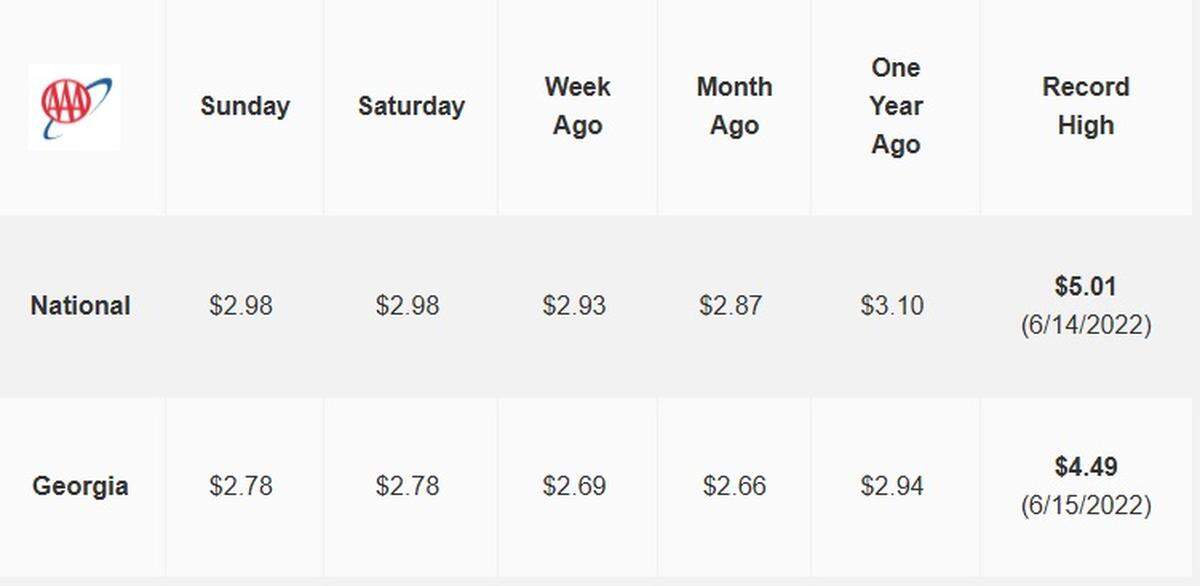
Georgia was in good shape heading into the seasonal transition, reports AAA, and the state average was $2.69 per gallon in February, which is $0.30 lower than the same time last year.
However, the attack on Iran accelerated the seasonal price increase, triggering an immediate oil market reaction.
Global effects
- National averages rose $0.05 cents in a single day, approaching $3.00 per gallon.
- Tanker traffic through the Strait of Hormuz was halted or rerouted vessels, slowing about 20% of the world’s supply flows.
- Crude oil prices rose more than $6.00 per barrel.
Effects on Georgia
Georgia consistently ranks among the least expensive states for gas, however average prices jumped from roughly $2.80 to $3.01 in a matter of days.
- Drivers are likely to see more hikes over the next week or two.
- Importers and their clients will likely see a rise in prices..
- Utility bills will accelerate.
Some tips to save on gas
- Use GasBuddy or AAA’s Fuel Price Finder to compare prices before you fill up.
- Fill up mid-week. Gas prices typically rise ahead of weekends when demand spikes.
- Pay in cash if possible.
- Combine errands.
- Avoid aggressive acceleration.
You should also keep an eye on benchmarks for crude oil. Retail gas prices move roughly $0.02.5 for every $1 shift, so watching West Texas Intermediate and Brent Crude Oil prices gives you a heads-up on what’s coming to your local station.
Have you noticed gas prices going up? Email me at srose@ledger-enquirer.com or find me on social media.
This story was originally published March 5, 2026 at 6:00 AM with the headline "Will GA gas prices continue to surge as the Iran attacks continue? Here’s what to know."