
This is how much money GA could lose every day from the stalled Hyundai project
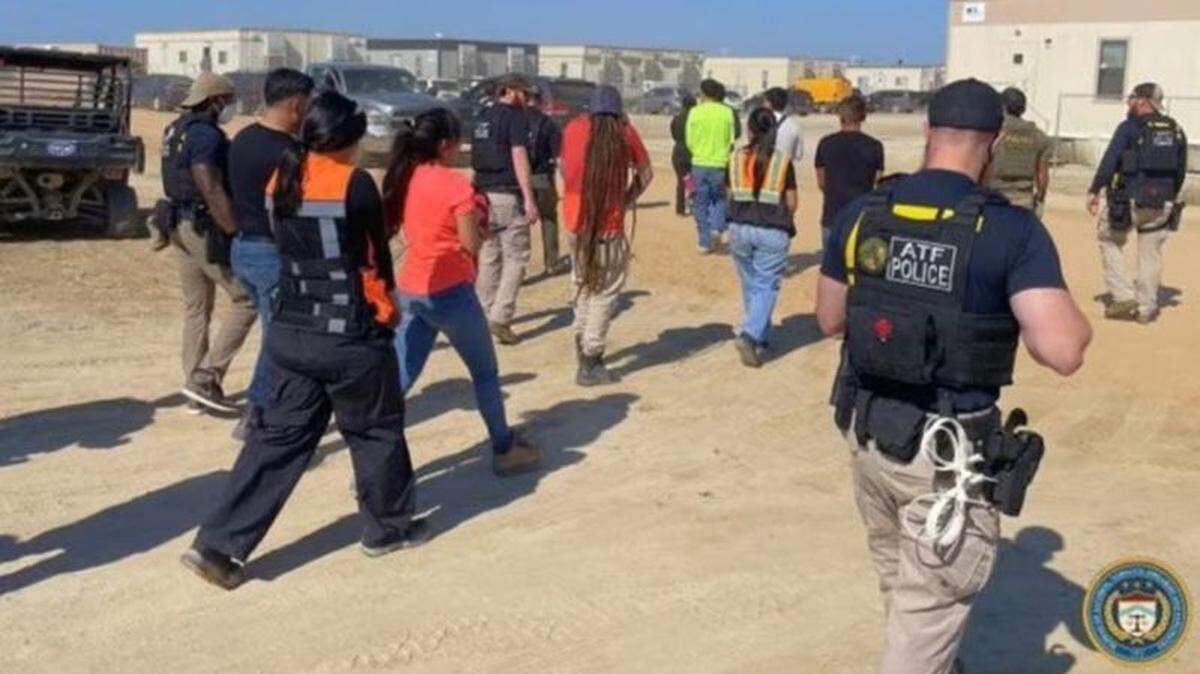
Georgia’s economic hopes for the Hyundai megaplant in Ellabell have changed substantially since the raid by the Department of Homeland Security in mid-September. The ICE raid triggered a multimillion-dollar economic blow, which has led to stalled construction and job creation.
Reuters reported that nearly 500 workers were detained and Hyundai CEO Jose Munoz told reporters at an automotive conference the project is facing a minimum delay of two to three months.
While most of the workers that were arrested have returned to South Korea, these losses are expected to send ripple effects through Georgia, leaving many communities facing an uncertain economic future.
The Hyundai raid will cost GA millions
Korea JoongAng Daily, a mainstream South Korean newspaper, suggests the daily losses could climb as high as $2.4 million due to halted work, lost contracts, and increased borrowing costs for developers and suppliers. The total damage is likely to climb much higher.
What’s at stake:
- $4.3 billion joint venture between Hyundai and LG Energy Solution
- 8,500 potential jobs
- $2.1 billion in supportive revenue from the state of Georgia
- Hyundai’s broader $26 billion investment including several Georgia and nationwide projects
- 22 other Korean-run U.S. projects in battery and manufacturing sectors have been stalled or reassessed
The halt in production’s impact on Georgia
Beyond the expenditures already at stake, some of Georgia’s communities experience deep social and economic consequences. It’s not just the corporations that are worried about the halt in production.
Sammie Rentz owns Huong Supermarket in Ellabell and told CNN he was scared for multiple reasons. “You’re scared to go to work if that’s gonna happen to you ... Without the Koreans, I’m not making any money,” he said.
Local businesses are also suffering:
- Local businesses lost substantial revenue and in some cases were boycotted for catering to the Korean population.
- Local contractors, suppliers, and service industries face sudden drops in demand.
- US relations with South Korea are inflamed, threatening future partnerships.
- Georgia’s reputation among global investors has been damaged.
The ICE detentions raise labor questions for Georgia
Many of the detained South Korean workers held temporary visas such as ESTA, B1, B2, and L1, yet some of the visas weren’t approved for employment, sparking debate on work authorization and visa compliance.
This causes further complications:
- Legal council for some of the detained workers maintain their clients had visa waivers allowing limited advisory or consulting work.
- Some of the employees were from from Mexico, Guatemala, Colombia, and other countries, and remain in legal limbo.
- Immigrant employment opportunities are shrinking with employers afraid to hire them.
An alternative viewpoint
There has been limited public support for the ICE raid, however, some perspectives applaud the enforcement of immigration laws and the efforts to uphold legal labor standards.
Despite growing concern from state officials and the local community, in a post on Truth Social, “President Trump says I don’t want to frighten off or disincentivize Investment [sic] into America by outside Countries or Companies [sic]. We welcome them, we welcome their employees.”
U.S. Deputy Secretary of State Christopher Landau attended bilateral talks with First Vice Minister of Foreign Affairs Park Yoon-joo at the Ministry of Foreign Affairs in Seoul’s Jongno-gu District. The ministry quoted him as expressing “deep regrets” over the raid but implied it may signal a turning point for both countries.
What are your thoughts? Do you think this will damage Georgia’s economy? Email me at srose@ledger-enquirer.com or find me on social media.
This story was originally published September 17, 2025 at 6:00 AM with the headline "This is how much money GA could lose every day from the stalled Hyundai project."