
Concerns about FEMA remain as Tropical Storm Erin gathers strength
FEMA is staffing up again after a seven-month hiring freeze, but worries remain about the federal agency’s ability to react if a hurricane strikes.
President Donald Trump’s pause on new federal jobs expired on July 15 and employment opportunities with the Federal Emergency Management Agency appeared on USAJobs — the federal government’s employment website — in the past two weeks.
The agency clarified, however, that it remains on a hiring freeze for ‘external hiring’ but is allowed to fill ‘mission critical positions.’
‘We are currently under a hiring freeze for all external hiring, however, limited internal movement for mission critical positions is permitted and some of those vacancies are posted on USA Jobs,’ a FEMA spokesperson told McClatchy.
Key positions at the agency remain unfilled and there are concerns its reduced workforce could result in reimbursement delays if a hurricane strikes. Local governments in Florida are also stockpiling cash in case overall federal aid is cut.
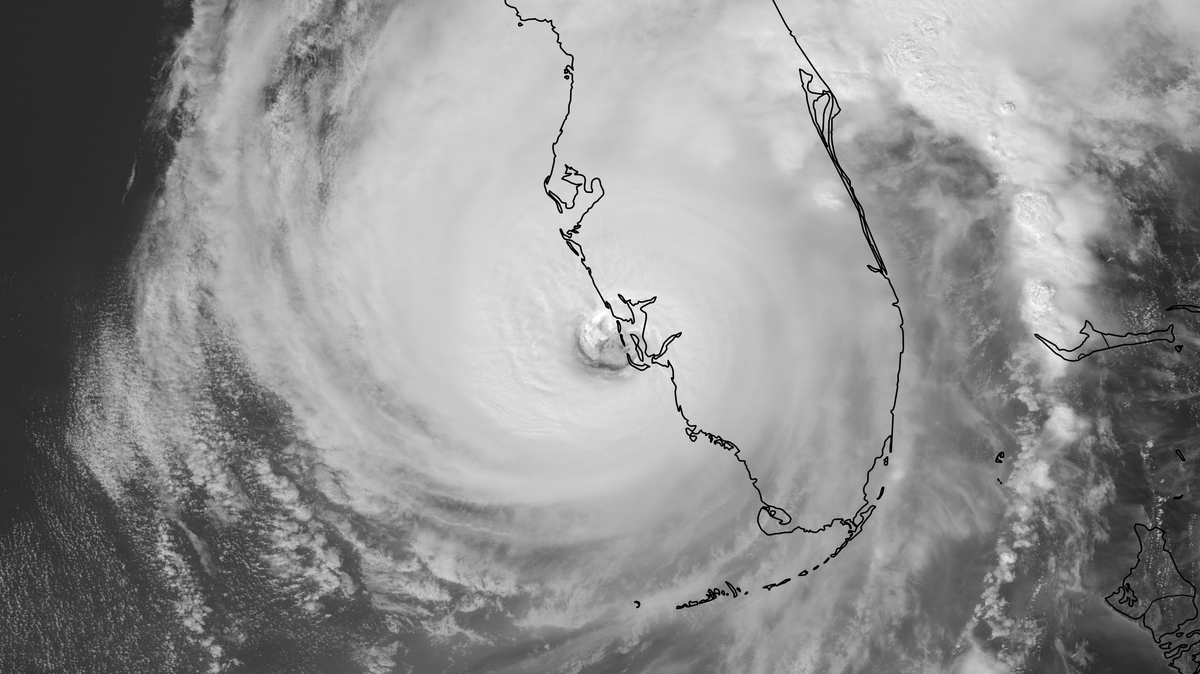
Tropical Storm Erin is expected to become the first hurricane of the 2025 Atlantic season by Friday, although it’s unclear if the storm will impact the U.S. coastal states.
Deanne Criswell, who was FEMA administrator in the Biden Administration, told McClatchy she was concerned the staff shortages could result in “having delays in getting reimbursed, and other contracts are having delays in getting reimbursed.”
One of the empty positions at FEMA is Administrator for Region Four, which is responsible for overseeing agency operations in Florida, Georgia, Alabama, North Carolina, South Carolina, Kentucky, Tennessee and Mississippi.
There is a deputy administrator in place but the top role hasn’t been formally filed since Robert Samaan vacated it in June.
FEMA has the country split into 10 regions and the National Capital Region, which includes Washington D.C. The National Capitol Region and regions three, four, six and nine are typically headed by career emergency management officials, who stay in place no matter which party controls the White House, to ensure a continuity of operations.
Those regions consist of coastal areas likely to be hit by hurricanes or are in the Southwest part of the country, where there is risk of an earthquake. Only Region Nine has an administrator, the rest are empty or have acting staff instead of a permanent seat holder.
The region administrator coordinates the federal response and is often the first to hit the ground in an affected area.
Samaan had 15 years of experience at FEMA and, before that, worked in emergency management for the state of California for five years.
FEMA was an early casualty to Trump and Elon Musk’s effort to shrink the federal bureaucracy as part of the Department of Government Efficiency.
About 2,000 full-time staff, about one-third of its total workforce, were terminated or voluntarily left the agency after Trump took office in January.
But the agency only lists 27 jobs available for hire, and many are emergency management positions tied to response and recovery. None are for the regional administrator positions.
The lack of staff will hamper FEMA’s efficiency, Criswell said.
‘It’s just going to put a strain, additional strain on the existing employees that are already there,” Criswell noted. “One of the things that you see is delays because they have less people to process the project portions.”
Any delay could add up to billions of dollars.
In 2024 alone, Florida saw 27 weather and climate disasters costing over $1 billion each, with a total cost of approximately $182.7 billion according to NOAA National Centers for Environmental Information.
Despite worries about delays or understaffing of the critical agency, a spokesman for Broward County told the Miami Herald it wasn’t concerned and had contacts in place within both the federal and state emergency management agencies ahead of any storm action this season.
However, local governments in Florida have previously said they’re nervous about potential cuts to disaster aid, and they’re socking away extra cash to prepare.
In the Florida Keys, Monroe County made some major budget cuts — including gutting its industry-leading road-raising program — in part to prepare for a scenario where FEMA doesn’t fork over as much money after a storm. Fort Lauderdale has also been debating adding even more to its rainy day fund, which currently sits at more than $130 million.
The state of Florida also increased its emergency reserves for storm response this year, a fact that local governments in Florida took notice of.
Monroe County Administrator Christine Hurley told the Herald that in recent monthly updates to emergency managers across the state, Florida Director of Emergency Management Kevin Guthrie has included information from a leaked FEMA memo that suggested the agency consider quadrupling the threshold for what constitutes a federal disaster that the government would help pay for.
“While nothing is official, we get signals that we need to be dealing with this,” she told the Herald last month.
In a statement, Cory Schwisow, interim director of Monroe County Emergency Management, said the county was recently qualified to receive “60% of post-disaster reimbursement funds upfront,” which he said “significantly reduces the financial strain on our county and enhances our ability to respond swiftly to emerging needs.”
Other states have experienced fallout from the changes at FEMA.
Texas is seeing reimbursement delays from its severe flooding and storms in March. In addition to staff shortages, some critics blamed additional bureaucracy added in when President Trump took office.
Homeland Security Secretary Kristi Noem now must personally sign off on all funding requests for more than $100,000, but she defended that rule in an interview with NBC’s “Meet the Press” last month, calling it “an accountability on contracts.”
Noem and Trump have repeatedly said they’d like to shrink FEMA or shutter it all together, arguing the states could handle disaster relief on their own.
Its future remains uncertain.
Even if Tropical Storm Erin stays away from the coastal United States, it may be a brief reprieve.
A forecast last week by the National Oceanic and Atmospheric Administration warned that there are 13-18 storms expected this season, five of which could become major hurricanes.
This story was originally published August 14, 2025 at 12:59 PM with the headline "Concerns about FEMA remain as Tropical Storm Erin gathers strength."