
Invasive species in aquarium plants could cause ‘devastating damage,’ GA officials say
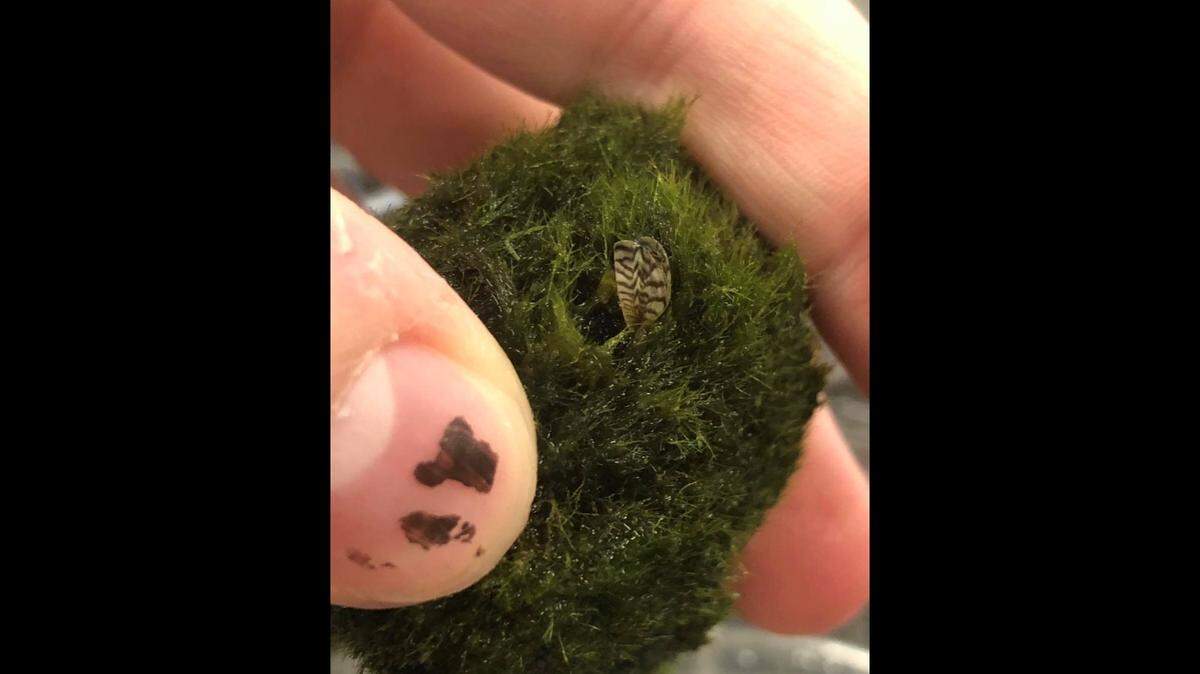
An invasive species found hiding in a common aquarium plant could cause “devastating damage” if not disposed of properly, according to state wildlife officials in Georgia.
The Department of Natural Resources’ Wildlife Resources Division is urging customers to be on alert after aquarium moss balls sold at pet stores were found to contain invasive zebra mussels.
The freshwater mollusk is only about the size of a fingernail but can cause havoc to a region’s ecosystem. Wildlife agencies in half a dozen states have reported finding the non-native mussel attached to or inside common moss ball plants, including the “Betta Buddy Marimo Ball” sold at Petco.
They’ve also been reported in several pet store chains in Georgia, officials confirmed on Friday.
“Zebra mussels pose a significant risk to our state, so we urge anyone that may have purchased this type of product in the last month or has them on store shelves to remove it immediately, if they haven’t already done so,” said Jim Page, an aquatic nuisance species coordinator for the state’s Wildlife Resources Division.
Important to know: Don’t flush them down a toilet. Instead, freeze (for 24 hours) or boil (for at least 10 seconds) the moss ball plant before trashing it, officials say. Home aquarium owners should drain and disinfect the tank, filters and any other aquarium structures with bleach once the invasive mussels have been removed.
“The concern with this specific mussel is that its release into the wild via septic systems or from being discarded in nearby ditches, creeks, or other waterbodies could result in establishment of the species in our state and lead to major ecological and economic damage,” Page said.
If released, zebra mussels have the potential to cause “millions of dollars in damage” to water intake pipes, boats and other water craft, according to wildlife officials.
Geologists say the tiny mollusks are especially harmful to native species because they filter out essential algae that native mussels need to survive. They’re also known to incapacitate native mussels by attaching to them, according to the USGS.
Georgia wildlife officials said the state does not have an established zebra mussel population in its waters — and they hope to keep it that way.