
Robocalls fuel Macon-Bibb campaign battles
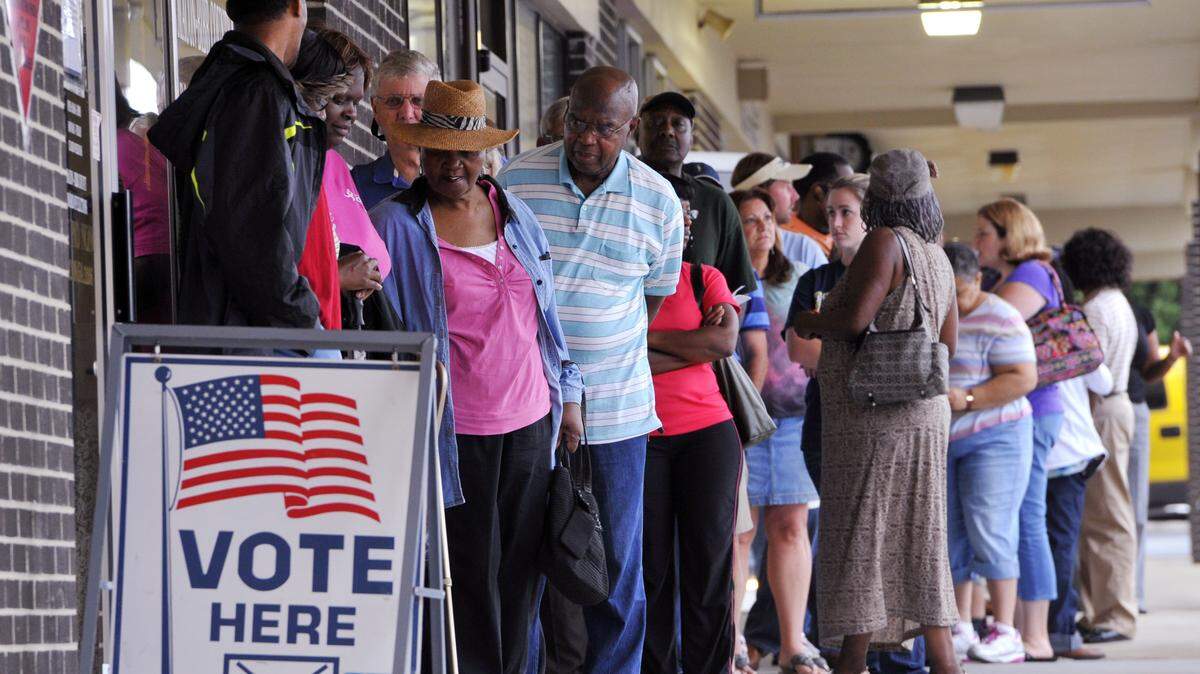
If they haven't already, Macon-Bibb County voters might receive phone calls over the next few weeks to gauge their feelings about local political candidates and issues.
The automated polls, a type of robocall, are being used by candidates in both the Macon-Bibb mayoral and tax commissioner's races leading up to the May 24 elections. Incumbent Mayor Robert Reichert is being challenged by former Bibb County Commissioner Lonzy Edwards, and interim Tax Commissioner Wade McCord faces opposition from former Macon Mayor C. Jack Ellis.
While some of the candidates are using the calls to poll voters, others are so far relying on more traditional methods of campaigning during this election season.
Reichert said he's using the automated calls because they have proven effective for him in previous campaigns.
A recent robocall by Reichert's campaign asks potential voters to rank the importance of various issues in Macon-Bibb County, which can be helpful during and even beyond the election season, Reichert said.
"You hate to go out talking about apples, and people came out to talk about bananas," he said.
In the mayor's race, those calls have led to a dispute about job numbers. One of the Reichert campaign's robocalls touts that 1,800 full-time jobs have been created in Bibb County over the past five years. Those numbers, Reichert said, came from the Macon-Bibb County Industrial Authority, which reported that 1,788 jobs have come to Macon in that time period.
Edwards, however, took issue with the numbers. Although he acknowledged that he had not heard the robocall himself, he said he was told by a couple of friends that the call claims that 18,000 jobs were created in the community. He said he questions if Reichert is intentionally misleading the public with the job figures.
After being told that Reichert said the number was 1,800, Edwards said he remained doubtful. Edwards said he won't accept that the robocall mentioned 1,800 jobs rather than 18,000 jobs "without having access to the text of the push poll," he said Wednesday.
Reichert said the mention of the 1,800 jobs in the call isn't an attempt to claim that he's responsible for each of them.
"This isn't me beating my chest. I'm part of a team that helps bring jobs to Macon," said Reichert, who is seeking his fourth term as mayor. "I wouldn't claim direct, sole credit for creating any number of jobs."
Along with the employment numbers, the calls also ask people to rank the importance of other issues, such as $14 million in bonds issued to fight blight, having the city-county budget reduced from $165 million to $147 million since the start of consolidation and the ongoing revitalization of downtown, Reichert said.
While part of Reichert's campaign strategy uses the automated calls, Edwards said he's also going to ramp up his push for the mayor's office in the upcoming days. Lately, he's been meeting with people and organizing his campaign.
"We'll open in the next day or two with some more aggressive activity," Edwards said.
Meanwhile, in the race for tax commissioner, McCord said his campaign is using push poll calls. McCord, who became interim tax commissioner last September following the retirement of longtime Tax Commissioner Tommy Tedders, is gearing up to face Ellis in May.
McCord said the calls are a way to find out what people think is important about how the tax commissioner's office operates. He also said the calls give him an opportunity to introduce himself to the public. Before the election, McCord said, he plans to release the results of his campaign's telephone polls.
"We just want to get an idea of how people feel about my extensive work history in the tax commissioner's office, with 21 years here and 10 of those years as chief deputy tax commissioner," McCord said.
Ellis, who served as Macon's mayor from 1999-2007, said he is focused on campaigning by meeting with people instead of using automated phone calls. He said he's a "people person" who doesn't need to build name recognition with calls. Ellis said his accomplishments in public office are well known.
"I don't pay for polling," he said. "Everyone knows my name."
Automated calls have become common in elections on various levels -- from federal to local elections -- for years, said Chris Lawrence, associate professor of political science at Middle Georgia State University.
The goals behind the calls can be vastly different.
"There is one type to help candidates gauge where they stand and what their level of support is," Lawrence said.
The other type is "to try to and get out some misleading or scandalous information (that candidates) don't want to be associated with," he said.
Being able to craft a message that's tailored to voters is one of the major advantages of robocalls, Lawrence said.
"When canvassing in a neighborhood, (candidates) can emphasize what issues are important there," he said.
To contact writer Stanley Dunlap, call 744-4623 or find him on Twitter@stan_telegraph.
This story was originally published March 30, 2016 at 6:42 PM.