Federal civil cases in Middle Georgia resume after government reopens
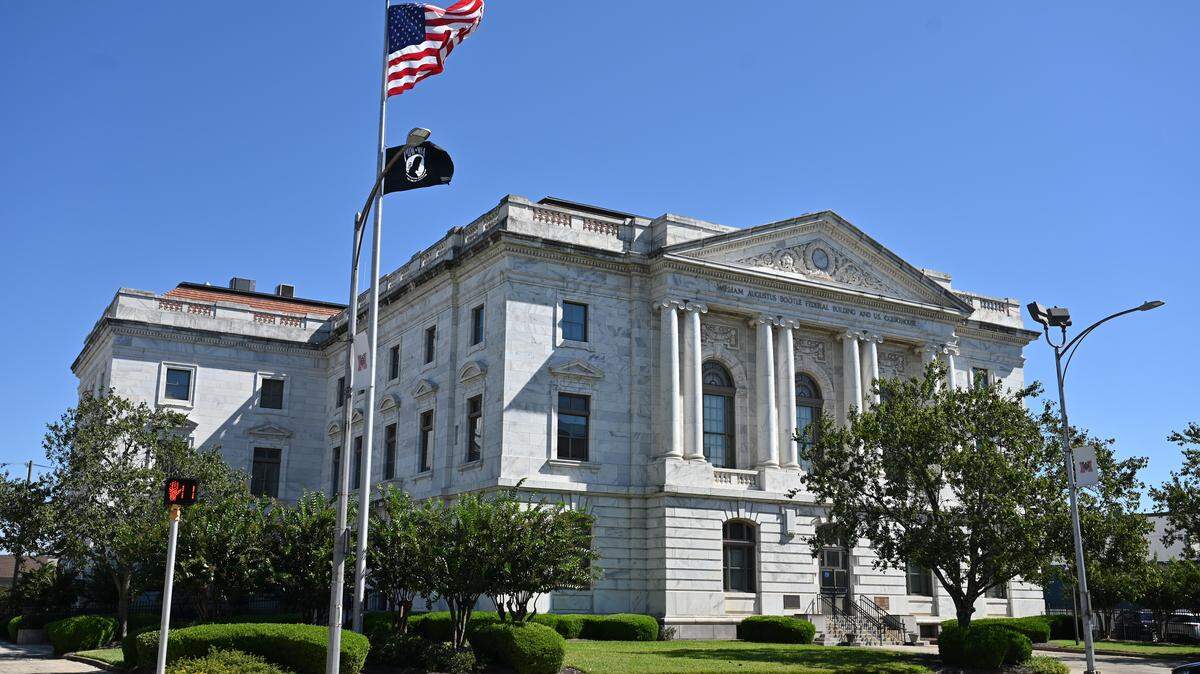
Pauses on federal court cases in Middle Georgia involving the Department of Justice and the U.S. District Courts have been lifted after Congress passed a resolution last week to restore funding and reopen the government, according to court records.
Civil cases involving federal entities — including the Middle District of Georgia, which encompasses Macon, Columbus, Albany, Athens and Valdosta — were paused starting Oct. 1 when Congress couldn’t reach a funding agreement, prompting the government to shutter.
It kickstarted the longest government shutdown in the nation’s history, according to multiple media reports.
But the government reopened roughly 44 days later, when Congress passed a bill, which President Donald Trump signed, that would restore “funding through Jan. 30, 2026, to the U.S. Department of Justice and the other federal agencies that experienced a lapse in appropriations,” according to an administrative order by Chief Judge Leslie Abrams Gardner.
As of Nov. 14, all civil cases that were halted were set to be reactivated, according to Gardner’s administrative order.
Cases that had deadlines in place as of Nov. 12 will be extended by 43 days, the order said. Further, in those cases where a schedule has been established, both parties are ordered to propose “new dates for all deadlines affected by the lapse of appropriations,” Gardner said in the administrative order.
Court officials, federal prosecutors worked unpaid
Despite the government shutdown, criminal cases and other judicial functions proceeded uninterrupted. Court officials were paid using court fee balances that lasted until Oct. 17. Still, employees of the Department of Justice, including those working under the U.S. Attorney’s Office for the Middle District of Georgia, worked unpaid.
Federal prosecutors kept working under the Anti-Deficiency Act, which allows them and other DOJ employees to work as the department’s mission relates to the “safety of human life and protection of property,” according to the department’s contingency plan for the 2026 fiscal year.
The courts also continued operating under the Anti-Deficiency Act.
For example, U.S. Attorney Will Keyes prosecuted a case against Ariel Collazo Ramos of North Carolina, who had sent antisemitic postcards to two Jewish leaders in Georgia, while the government was closed. The jury panel declared him guilty of threatening communications and that the antisemitic postcards he sent to were a hate crime.