
Former Atlanta mayor, governor candidate criticizes Trump funding cuts
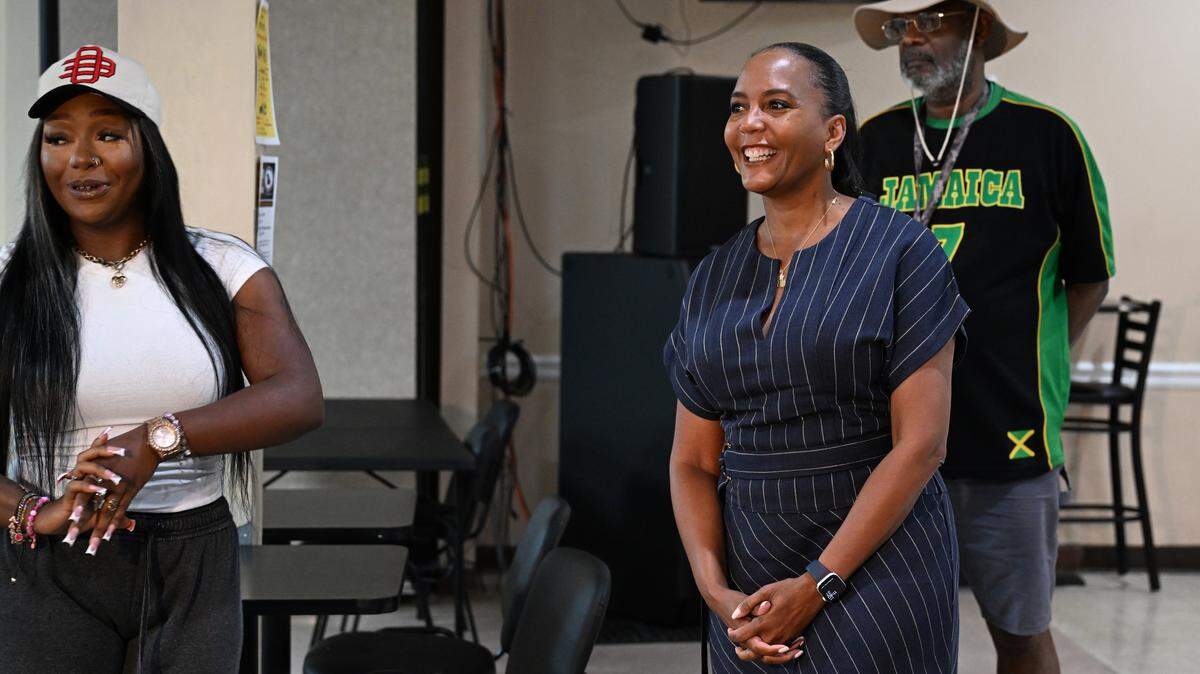
Keisha Lance Bottoms, one of the many candidates vying to be the Democratic nominee for Georgia governor, made a stop in Warner Robins Wednesday to meet with veterans and discuss issues related to federal funding cuts.
Bottoms, who was the mayor of Atlanta between 2018 and 2022 and made headlines due to her opposition to President Donald Trump, said cuts to federal funding included in Trump’s spending and tax bill have put more pressure on state and local agencies to make up the difference.
“We’re here to have some conversations about things that the state of Georgia can do to fill in the gap,” Bottoms said. “Especially in light of some of the challenges and cuts that are happening with the federal government.”
Concerns with veterans’ health care
With the race to be the Democratic nominee for Georgia governor still a crowded one, Bottoms has sought to pull ahead by positioning herself as a formidable opponent to Trump and his cuts to federally funded programs and mass firings of federal employees.
Her stop in Warner Robins was part of a broader tour around the state where Bottoms meets with community members to hear what issues are affecting them. The event, which took place at American Legion Post 172 just down the road from Robins Air Force Base, emphasized services to veterans, with one veteran in attendance.
Bottoms said she has heard stories of long wait times by veterans seeking treatment through the U.S. Department of Veterans Affairs for common ailments and issues.
“When it comes to your health, you don’t have time to waste until you can get health care,” Bottoms said.
Long wait times at the VA and its hospitals and clinics have long been a concern for many veterans and their families. Bottoms said that during her tour of Georgia, she has heard stories of veterans waiting months for appointments.
Bottoms also criticized the impact of Trump’s tax and spending bill — sometimes known as the “Big, Beautiful Bill” — on veterans and their families.
The bill cut funding to the Supplemental Nutrition Assistance Program, which provides food benefits to low-income families. The National Military Family Association, a nonprofit dedicated to supporting U.S. service members and their families, said the cuts could force states to tighten their eligibility, making it harder for those in need to get SNAP benefits.
According to a 2021 study by the Center on Budget and Policy Priorities, about 7% of veterans use SNAP benefits.
The cuts to funding haven’t gone unnoticed.
Davonne Scarlett, an employee with American Legion Post 172, said the group has received more calls from veterans and their families seeking help since Trump took office in January.
What could the governor of Georgia do about federal funding cuts?
Bottoms proposed looking towards state funds to make up gaps in services created by cuts to federal money.
According to preliminary numbers released last month by the Governor’s Office of Planning and Budget, Georgia ended the fiscal year with a $1.3 billion surplus. It’s the fifth consecutive fiscal year Georgia is projected to finish with extra funds, despite the state’s taxes repeatedly dropping.
Bottoms called for the state to look at using the money to shore up state, county and local resources including health departments, schools and state services to help ease people struggling amid federal funding losses.
“We’re fortunate in that we have a … surplus in this state, but we have to be thoughtful on how we pan,” Bottoms said.