
Macon uses school speed zone cam money for raises, more. Will legislation outlaw them?
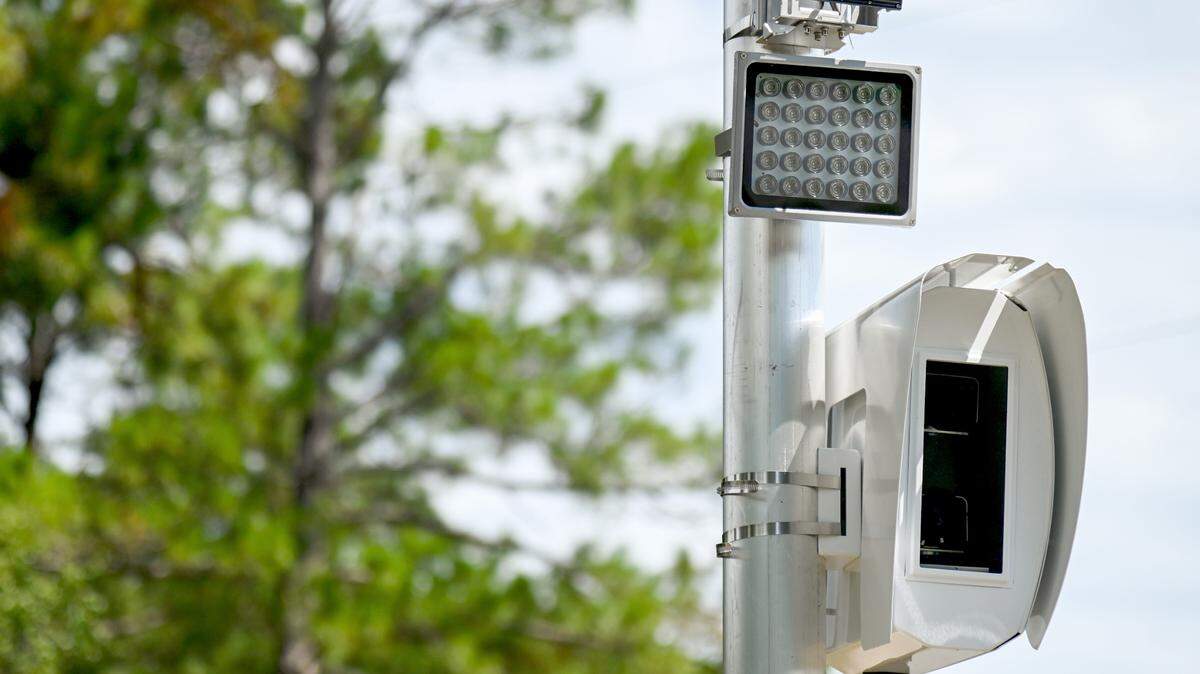
The Macon-Bibb County Board of Commissioners unanimously approved proposals Tuesday that would put $3 million collected from school zone speed cameras towards public safety projects, including raises.
Two million dollars will go towards increasing non-certified public safety employees’ pay by up to $5,000 a year, starting with the sheriff’s office and fire department. Another $1 million from the cameras will go directly to improving school safety, including hiring new student resource officers installing and improving crosswalks.
Commissioners and Macon-Bibb County Mayor Lester Miller said the funding will help address ongoing issues with recruitment and school safety. Miller said the Bibb County Sheriff’s Office has struggled to recruit officers due to lower starting pay than other sheriff’s offices and police departments in the state.
Previous data from the county showed non-sworn sheriff’s deputies made an annual salary of $40,678.56 in fiscal year 2025. Entry-level police officers at the Warner Robins Police Department, meanwhile, made an annual salary of $52,515.56 that same year. Miller said in a news release that the funding will increase starting salaries for new recruits at the sheriff’s office to $45,700 a year.
“I’m looking forward to giving the sheriff one more tool in his tool belt to recruit new people,” said District 7 Commissioner Bill Howell, who co-sponsored the proposal.
Miller also said during the meeting that his discussions with teachers and administrators at local public schools have revealed a need for more student resource officers, which are law enforcement officers that work in school settings.
The $1 million approved for school safety measures will contribute to creating knox boxes in public schools as well, which are secure, mounted boxes containing keys so that law enforcement, fire departments and other emergency services can quickly get into a school without having to be let in.
Could new bills limit, remove speed limit cams?
While Bibb County is using millions in revenue from the cameras, some lawmakers want to pull back on how they can be used.
State Rep. Dale Washburn, whose district covers portions of Bibb County, introduced a bill this session that aims to get rid of speed cameras altogether. The bill has been heavily edited since the bill’s introduction, and the current version, if passed, would remove the cameras in three years. The Georgia General Assembly could pass an extension to allow them to be used longer.
Another bill proposed by state Rep. Alan Powell would restrict the use of school zone speed cameras to two hours in the morning and two hours in the afternoon around school start and dismissal times and cap fines at $75, regardless of how many times a driver is caught.
The legislation was tabled Wednesday, and would need to be voted on Friday if it were to pass in this legislative session.
Macon Mayor Pre Tem Seth Clark expressed concern over the two bills, and asked if they could potentially impact funding for pay increases and school safety measures in the future.
“That would be a budget implication and we would address that at the appropriate time,” Miller said during the meeting.
Chris Floore, chief communications office with Macon-Bibb County, said the county government is monitoring the bills’ progress and their potential impact. Both bills are currently slated for votes in the Georgia Senate. If they are approved, they will go to the governor’s desk to be signed into law.
Floore said the county doesn’t have current numbers on how limiting or banning school zone speed cameras could impact revenue and the initiatives they fund. Since their introduction at the start of the 2022-2023 school year, they have generated about $8.9 million in revenue for the county.
Clark opposes banning or limiting the cameras, saying they protect children and families in addition to raising money for local public safety efforts.
“When we get caught up in a lot of political clamor in Atlanta and forget what these programs are doing on the ground, it has real consequences,” Clark said “It has consequences in programs we can or can’t fund, and it has consequences in 9-year-olds’ safety going to and from our public education institutions here in Middle Georgia.”
This story was originally published April 3, 2025 at 9:27 AM.