
The Supreme Court could overturn Roe v. Wade. Here’s what that means for Georgians

The U.S. Supreme Court appears poised to overturn Roe v. Wade, its landmark 1973 decision that legalized abortion, according to a leaked opinion published Monday evening by Politico.
In the decades following the decision, Republican-led states have worked to enact restrictions limiting abortions. In Georgia, the General Assembly passed a “heartbeat” bill that would ban all abortions after a doctor can detect fetal cardiac activity, which is typically six weeks after conception.
HB 481 was blocked by a federal district judge in 2019, who wrote that the Supreme Court has “repeatedly and unequivocally” upheld Roe v. Wade, which prevents states from banning abortion before a fetus is viable.
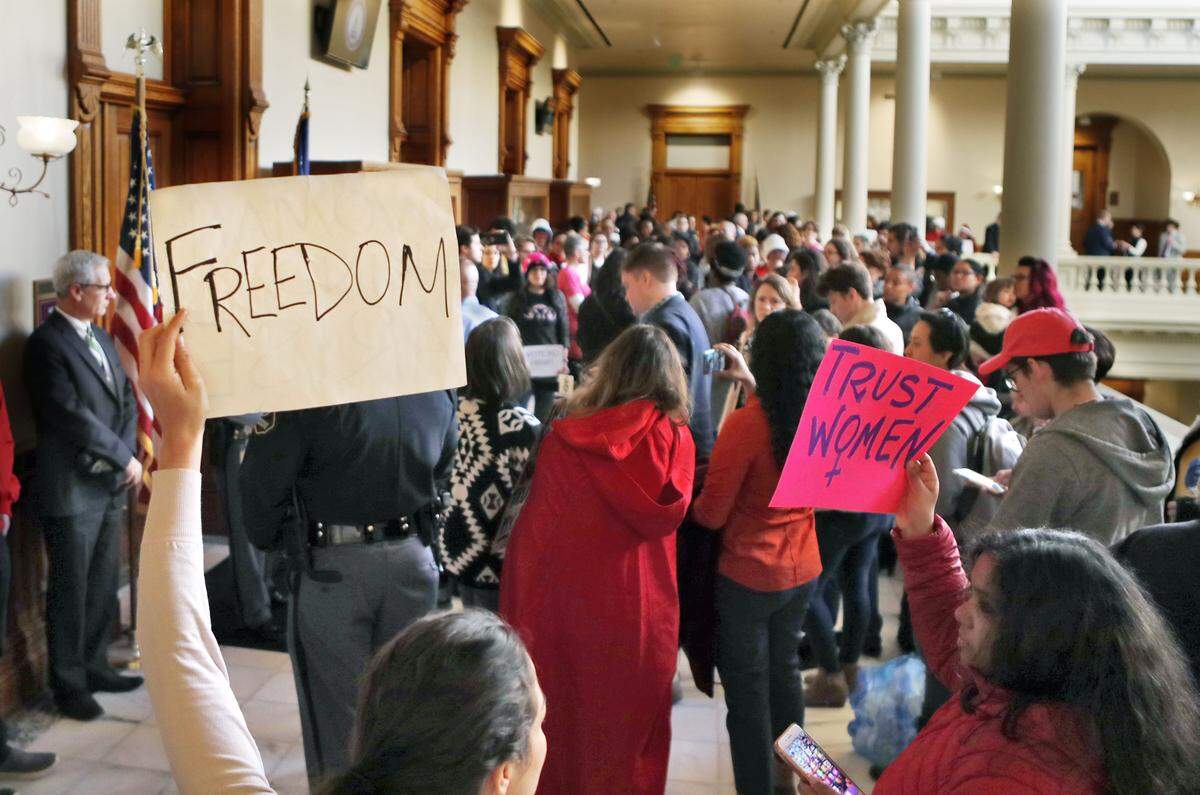
Lauren MacIvor Thompson, an assistant professor at Kennesaw State University and a faculty research fellow at Georgia State University’s Center for Law, Health and Society, said she wouldn’t be surprised if the Supreme Court releases a decision this summer similar to the leaked draft.
“Abortion is still legal. Roe has not been overturned,” Thompson said. “If the text stays the same, then Roe v. Wade, which has been settled law since 1973, will be overturned and the issue of abortion will go back to the states.
“[HB 481] has never gone into effect. If this ends up being the final decision then that law and others like it that the Georgia legislature chooses to pass will essentially ban abortion in the state. If this is the final outcome, this is the first domino in a series of challenges that will take place to other human rights and those will be under attack and vulnerable.”
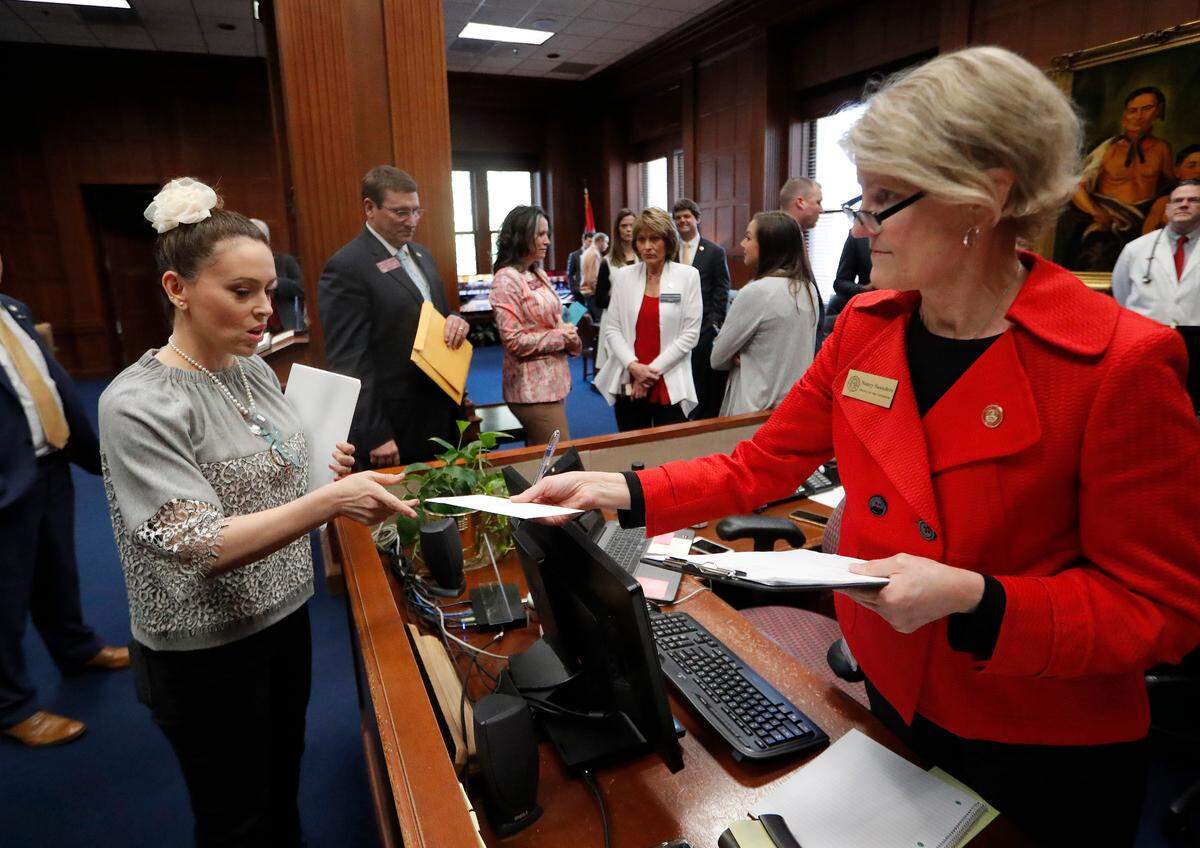
Georgia does not have an abortion ban on the books, and its six-week heartbeat bill would need to work its way through the court system before it goes into effect, according to MK Anderson, director of development and communications for Atlanta’s Feminist Women’s Health Center.
The state currently allows abortions within 20 weeks of gestation. According to data from the Georgia Department of Public Health, 31,248 “induced terminations of pregnancy” were performed in 2020, the most recent year data is available.
Anderson said Georgia already has several barriers to abortion care, including requiring women to wait 24 hours after making an appointment. In most cases, Medicaid doesn’t cover the cost of abortions in Georgia.
“Most counties in Georgia don’t have an OBGYN, much less an abortion provider,” Anderson said. “Folks travel here from across the state to get care.”
In other states, more stringent abortion laws would “trigger” if Roe v. Wade is overturned.
Anderson said the center expects women from nearby states with trigger laws to travel to Georgia for abortions even if the state’s six-week ban is codified.
“Those folks are disproportionately people of color who can’t get a provider in their community,” they said.
Anderson noted the state general assembly is unlikely to pass a more stringent ban this summer during an election year.
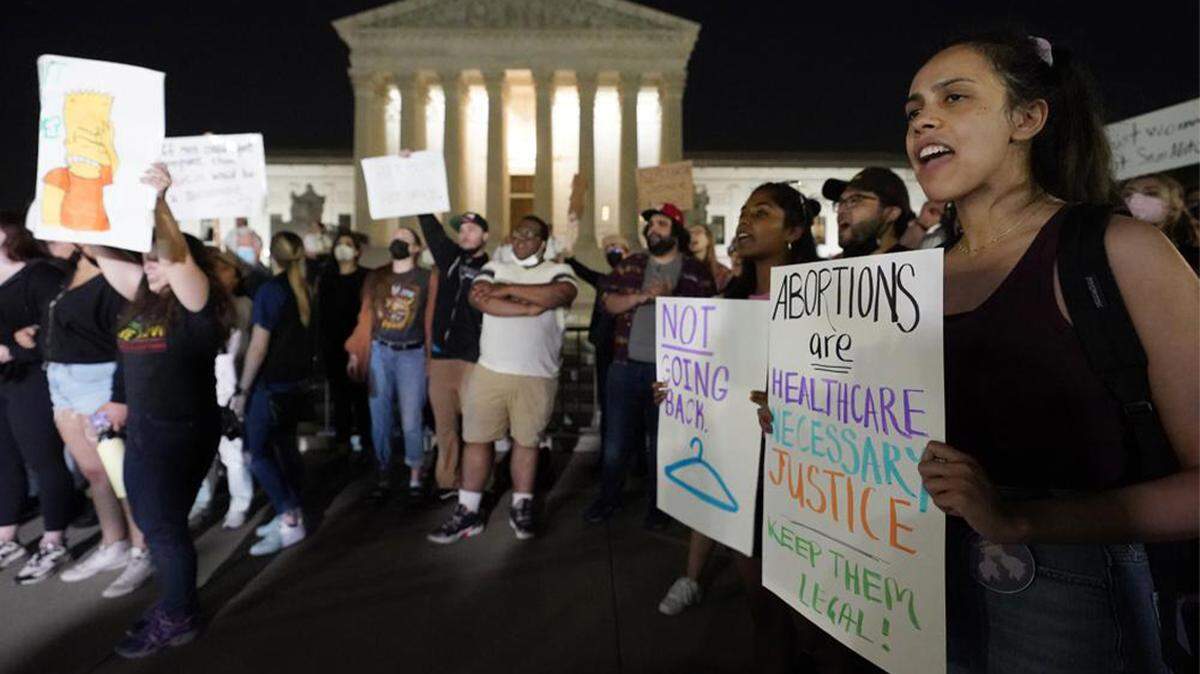
This story was originally published May 4, 2022 at 5:00 AM.