
Thousands of Lebanese try to head home after Israel-Lebanon truce
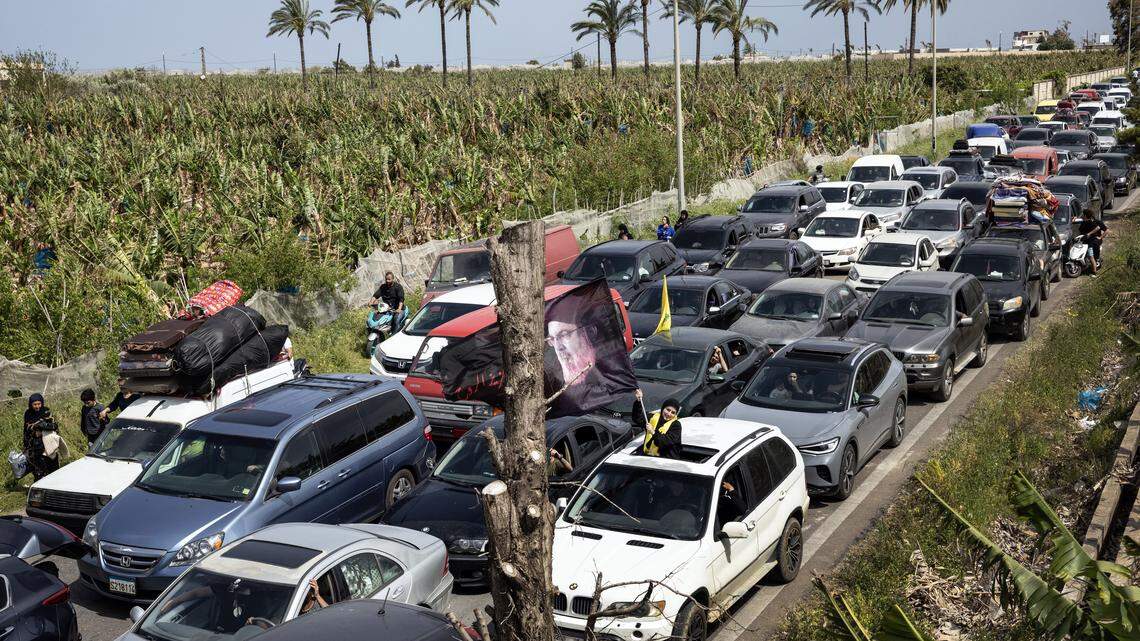.jpg "Returnees jam the road leading to the Qasmiyeh Bridge near Ain Abou Abdallah, Lebanon, on their way home on Friday, April 17, 2026, as a 10-day cease-fire in Israel’s military campaign against Hezbollah went into effect.")
The Israel-Lebanon truce appeared to hold on its first day, as thousands of families displaced by weeks of fighting between Israel and Hezbollah filled the main highway to southern Lebanon on Friday in hopes of returning home.
As the ceasefire approached the 24-hour mark, the United Nations peacekeeping force in Lebanon said Israeli airstrikes had stopped in the south and that no projectiles had been fired into Israel from Lebanese territory.
A group of lawmakers from Hezbollah, the Iran-backed militia and political party, affirmed a “cautious commitment” to the ceasefire, while also criticizing the Lebanese government. In a statement, the bloc accused Lebanon’s leadership of pushing the country “into a new and extremely dangerous phase” by submitting to what it called U.S. and Israeli “dictates.”
The Lebanese government does not control Hezbollah, which has a more powerful military and has long rejected direct talks with Israel.
Later in the day, President Joseph Aoun of Lebanon sought to strike a note of unity. “What has been achieved in halting the gunfire was the culmination of everyone’s efforts,” he said in a statement posted to social media.
The fighting between Israeli forces and Hezbollah has threatened to undermine a separate ceasefire between Iran and the United States. President Donald Trump warned Israel on Friday on social media, saying, “Israel will not be bombing Lebanon any longer. They are PROHIBITED from doing so by the U.S.A. Enough is enough!!!”
The Lebanese government, with international support, is expected to take “meaningful steps” to prevent Hezbollah from attacking Israeli targets, according to a U.S. State Department memo, outlining the terms of the truce.
Israeli forces continue to occupy southern Lebanon and have warned residents not to return there.
The latest fighting has killed nearly 2,300 people in Lebanon and displaced more than 1 million residents, according to Lebanese authorities. At least 13 Israeli soldiers have been killed, along with two civilians, according to Israeli authorities.
In Israel, local officials criticized the truce for coming before Hezbollah’s military had been neutralized. Among the thousands of Lebanese heading south, the ceasefire’s short length was a primary concern.
Here’s what else we are covering:
-- U.S.-Iran ceasefire: Another of the sticking points between Washington and Tehran is the Strait of Hormuz. On Friday, Iran announced that the strait would be “completely open” for the duration of the ceasefire in Lebanon. Trump thanked Iran but later said that a U.S. blockade of Iranian ships leaving the strait would remain in place, raising questions about what that means for shipping in the strait.
-- Israel’s leader: Prime Minister Benjamin Netanyahu of Israel was assailed by allies and critics alike for agreeing to the ceasefire. He faced pressure from Washington to stop the fighting as his goal to gut Hezbollah remained far from fulfilled.
-- Talks: Trump said he would invite Netanyahu and Aoun to the White House for talks.
This article originally appeared in The New York Times.
Copyright 2026 The New York Times Company
This story was originally published April 17, 2026 at 10:04 AM.