Artifact unearthed at 3,000-year-old grave site exceeds ‘wildest dreams.’ See it
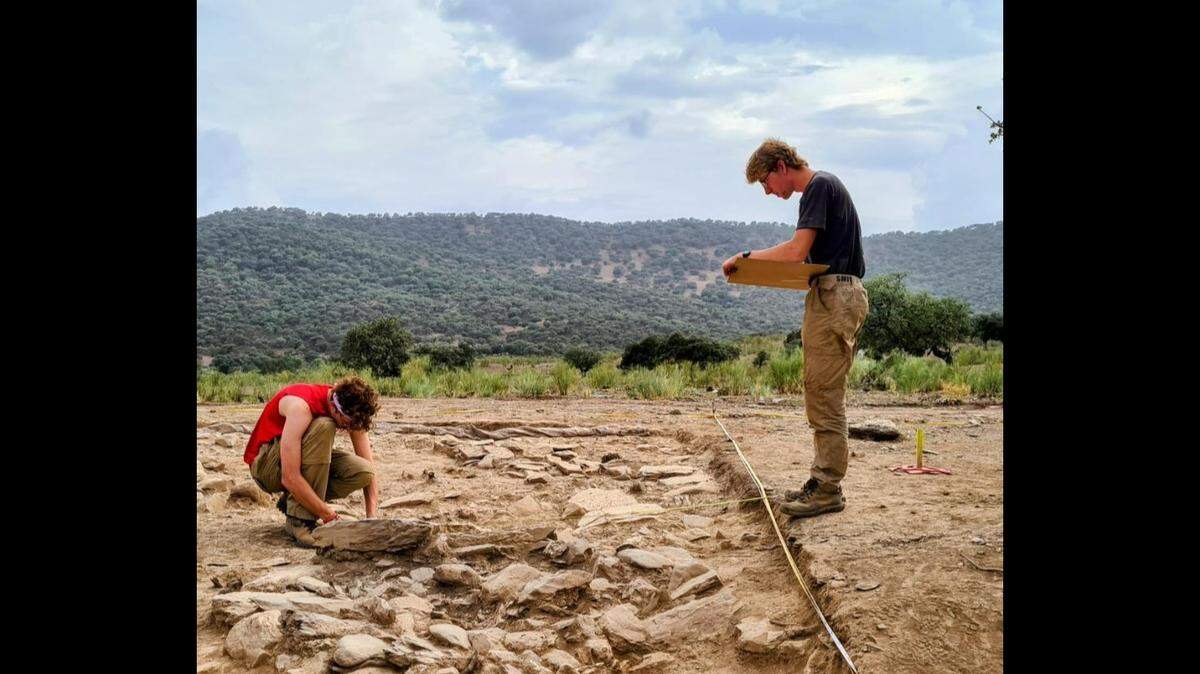
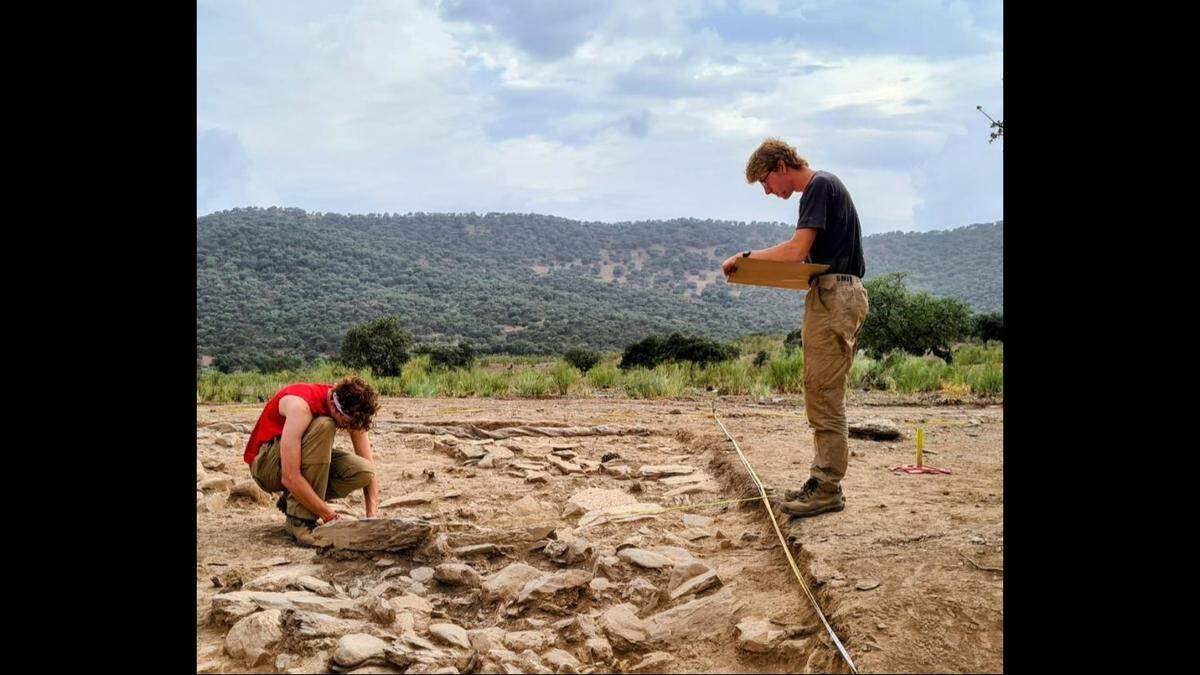
While excavating a sprawling ancient funerary complex in Spain, archaeologists unearthed something peculiar from the dirt.
At first, the funerary stone slab — known as a stela — appeared to depict the carving of a human. But as experts looked closer at the artifact, they realized something exceptional and unusual, Durham University said in a Nov. 15 news release.
The stela’s figure included an intricately carved face, hands, feet and male genitalia, and it was wielding two swords, the university said. But it was also wearing a headdress and a necklace.
Archaeologists said their discovery “turns archaeological assumptions on their head” in the release.
Prior to the find, experts believed features like a headdress and necklace represented a female’s stela, while weaponry, such as swords, indicated a male or “warrior” stelae, according to the release. The newly discovered stela challenges this, though, assigning both male and female features to the carving.
“This led the archaeology team to consider that the social roles depicted by these carvings were more fluid than previously thought, and not restricted to a specific gender,” the university said.
Experts said the stone slab likely dates to between the Bronze Age and the Iron Age. It was found at the Las Capellanías funerary complex, which was an important connection linking main river basins in prehistoric times.
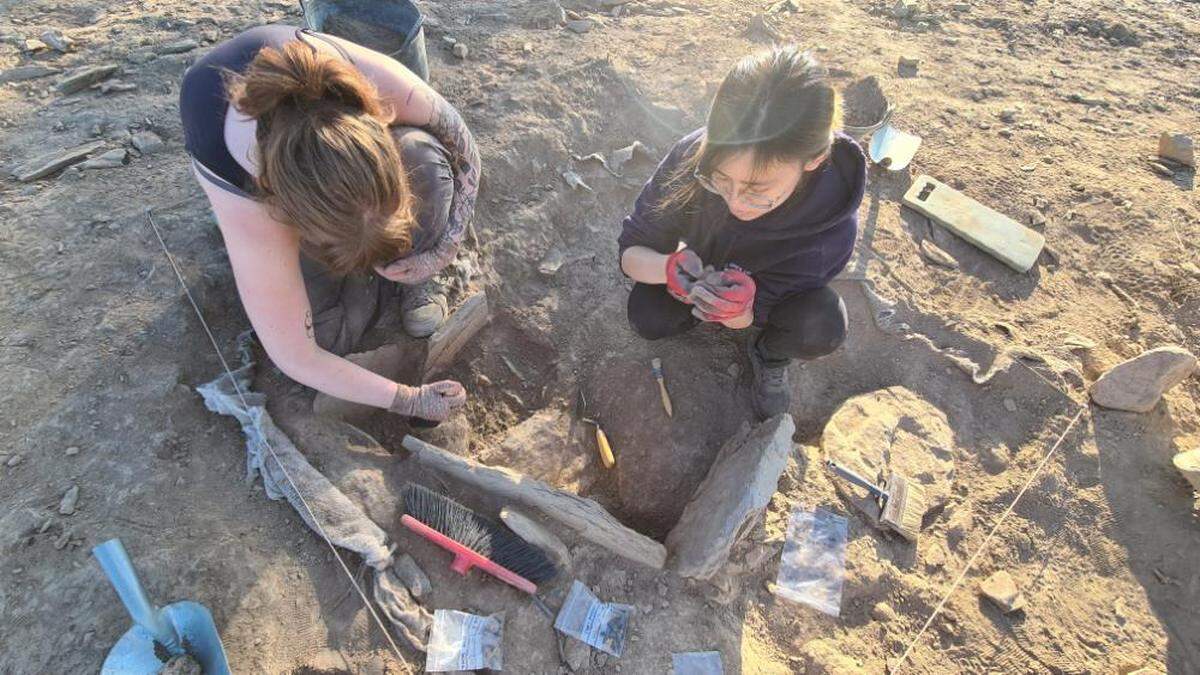
“To find a stela that challenges long-standing interpretations of how the carvings represent gender and social roles in prehistoric times, was beyond the teams’ wildest dreams,” the university said in its release.
Archaeologists discovered the slab in October, and it marks the third stela found at the site, the university said in an Oct. 4 news release.
Aside from its importance to understanding gender roles, the artifact is also “remarkable” because the “use of late prehistoric stelae in Iberia are largely unknown.”
The discovery also confirms a previous hypothesis that stelae were used as funerary monuments, and it indicates that making the slabs could have held special meaning, researchers said in the release.
The funerary complex is in Cañaveral de León, a town in southwest Spain.
This story was originally published November 16, 2023 at 3:50 PM with the headline "Artifact unearthed at 3,000-year-old grave site exceeds ‘wildest dreams.’ See it."