
U.S. Treasury imposes sanctions on head of Cuban assembly, ministers and generals
The Trump administration imposed sanctions Monday on nine Cuban senior government officials and generals and the country’s intelligence agency, under an executive order signed by President Donald Trump earlier this month that calls Cuba an “unusual and extraordinary threat” to U.S. national security.
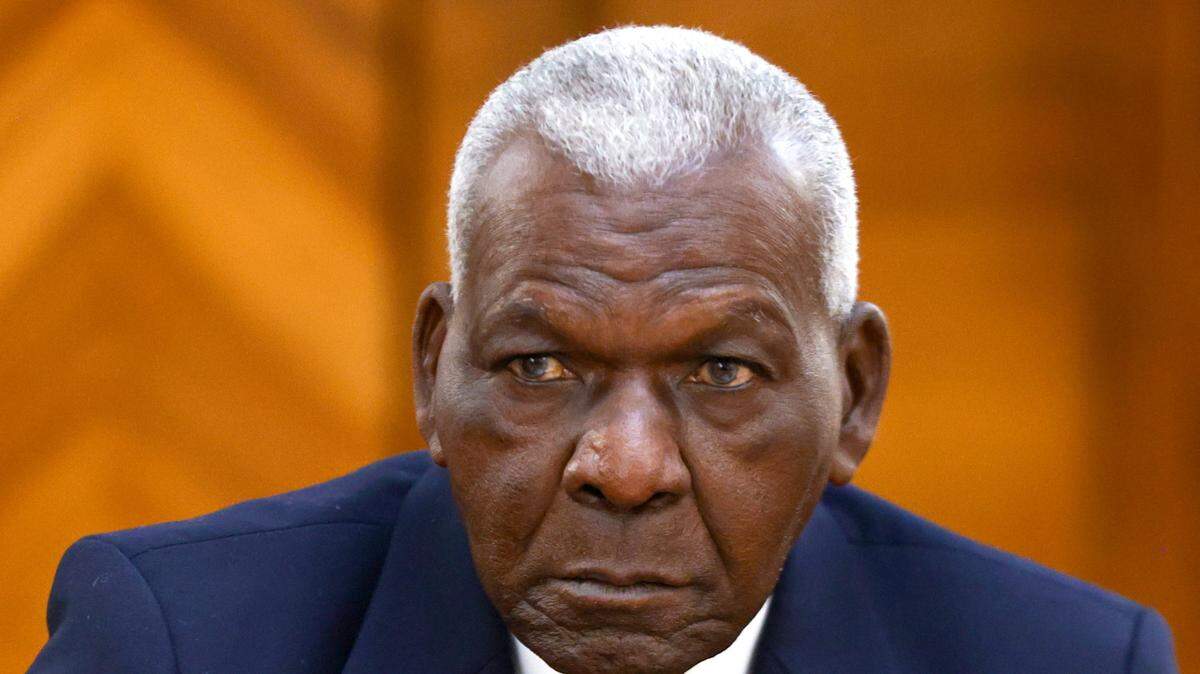
The list of Cuban officials newly sanctioned by the Treasury Department includes the head of the National Assembly, Esteban Lazo; Roberto Morales Ojeda, the secretary of organization of the Communist Party’s central committee, and three ministers: Mayra Arevich, the minister of communications and former president of the state telecom company ETECSA; Vicente de la O Levy, the minister of energy, and Rosabel Gamon Verde, the minister of justice.
The Treasury also blacklisted the country’s intelligence agency, known as DGI; the head of military counterintelligence, José Miguel Gómez del Vallín, and three generals: Joaquín Quintas Solá, the deputy minister of the Revolutionary Armed Forces; Eugenio Rabilero Aguilera, the chief of the military’s eastern army, and Raúl Villar Kessell, the chief of the central army.
They were all included in the Treasury’s Specially Designated Nationals and Blocked Persons List that targets human-rights violators, drug traffickers and terrorists. The Treasury Department sanctions block their assets, and U.S. companies and individuals are barred from doing business with them.
Treasury also imposed new sanctions on Cuban entities and individuals it had already included in that list under the Global Magnitsky act, including the Cuban police, its director Oscar Alejandro Callejas Valcarce, and its deputy, Eddy Manuel Sierra Arias. The 2016 act authorizes the president to impose economic sanctions and visa bans on foreign individuals or entities worldwide responsible for gross human rights abuses or significant corruption. The three were sanctioned by the Biden administration after the violent crackdown on anti-government protesters in July 2021.
The Interior Ministry, which oversees the state security and intelligence agencies, police and the migration authority, was also redesignated for sanctions by the Treasury using the new authority.
The sanctions are significant because they include senior officials in government and Communist Party positions, which have rarely been sanctioned in the past, and they signal the Trump administration’s ongoing efforts to ramp up pressure on Cuban leaders to make reforms on the communist-run island.
In the first round of sanctions under the new executive order, the U.S. State Department also added Cuba’s military conglomerate that runs a large chunk of the Cuban economy, GAESA, and its president, Gen. Ania Guillermina Lastres Morera, to the Treasury’s blacklist of Specially Designated Nationals and Blocked Persons.
This story was originally published May 18, 2026 at 4:16 PM with the headline "U.S. Treasury imposes sanctions on head of Cuban assembly, ministers and generals."