Three dead, dozens monitored as virus hits cruise after Argentina stop
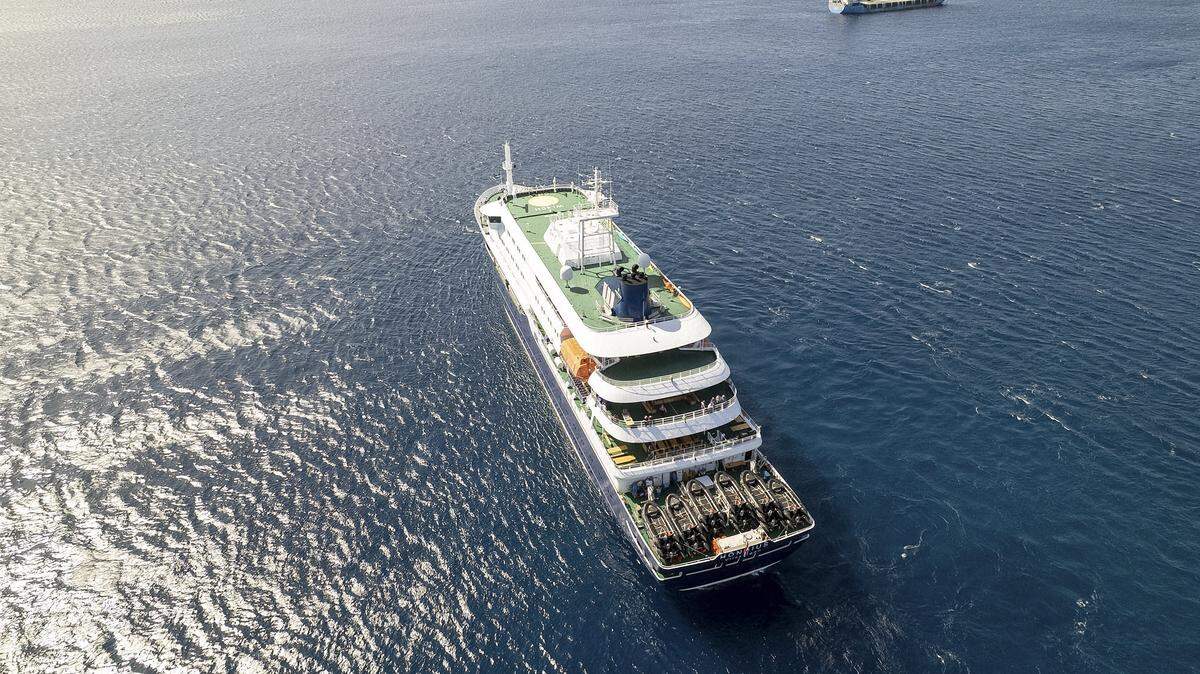
What began as an expedition voyage from Argentina’s southern tip has turned into a medical emergency at sea, with a suspected hantavirus outbreak killing three passengers and leaving others critically ill as the ship remains blocked from docking in Cabo Verde.
Authorities in the West African island nation have denied the MV Hondius permission to dock at the port of Praia as a precautionary measure, complicating efforts to evacuate sick passengers and provide urgent medical care.
The vessel, operated by Oceanwide Expeditions, departed from Ushuaia, on Tierra del Fuego island, in late March on a voyage toward Africa and the Canary Islands. Roughly three weeks into the journey, passengers began showing symptoms consistent with hantavirus, a rare but potentially severe disease typically transmitted through contact with infected rodents.
At least six people have been affected, including three who died and three others who fell ill, according to health authorities. One patient — a British national — is currently hospitalized in critical condition in Johannesburg, South Africa, where laboratory tests have confirmed hantavirus infection.
Two additional crew members, one British and one Dutch, have also required urgent medical attention, while efforts are underway to evacuate them for treatment.
The outbreak has triggered a coordinated response involving the World Health Organization, national health authorities and the cruise operator. Despite the severity of individual cases, WHO officials stressed that the overall risk to the general public remains low.
“The risk to the wider public remains low. There is no need for panic or travel restrictions,” WHO Regional Director for Europe Dr. Hans Henri P. Kluge said.
The agency is working with authorities in Europe, South Africa and West Africa to manage the situation, including facilitating medical evacuations and conducting epidemiological investigations to determine how the virus spread on board.
The origins of the outbreak remain unclear, though hantavirus infections are typically linked to exposure to rodent urine, droppings or saliva. Transmission between humans is considered rare.
Two of the deceased were a Dutch couple in their late 60s and early 70s. The man died earlier in the voyage and was declared dead upon arrival at the remote island of St. Helena in the South Atlantic. His wife later collapsed and died at Johannesburg’s international airport while attempting to return home. A third victim, a German national, died aboard the vessel, though the exact cause has not yet been officially confirmed.
The ship, which can carry up to 170 passengers, has been navigating uncertain waters — both medically and logistically — as Cape Verdean authorities continue to withhold authorization for disembarkation.
“Authorities have not authorized the disembarkation of passengers requiring medical care,” Oceanwide Expeditions said, adding that local officials had boarded the vessel to assess the situation but had yet to approve transfers to onshore medical facilities.
The company said alternative arrangements were being explored, including rerouting the ship to Spain’s Canary Islands, where it may be allowed to dock.
Passengers on board — representing more than 20 nationalities, including Americans — have been placed under strict health monitoring and isolation protocols as a precaution.
The incident has highlighted the challenges of managing infectious disease outbreaks in confined environments such as cruise ships, particularly when they occur in international waters and involve multiple jurisdictions.
Health officials emphasized that hantavirus is not easily transmissible and does not pose the same level of global threat as airborne viruses like COVID-19. However, the disease can be severe, with mortality rates ranging from 5% to 15% or higher depending on the strain.
Symptoms often begin with fever, fatigue and muscle aches, and in severe cases can progress rapidly to respiratory failure or kidney complications.
The WHO noted that investigations, including genetic sequencing of the virus, are ongoing to better understand the scope of the outbreak and determine whether additional cases may emerge.
The U.S. State Department said it is closely monitoring the situation and stands ready to provide consular assistance to American citizens on board.
The outbreak also underscores broader concerns about global health coordination in an era of increased travel and interconnectedness.
“Health threats do not respect borders,” Kluge said. “Working together is how we protect people.
This story was originally published May 4, 2026 at 12:10 PM with the headline "Three dead, dozens monitored as virus hits cruise after Argentina stop."