
One fishing line catches 28 angry-looking sea creatures in Gulf of Maine, photo shows
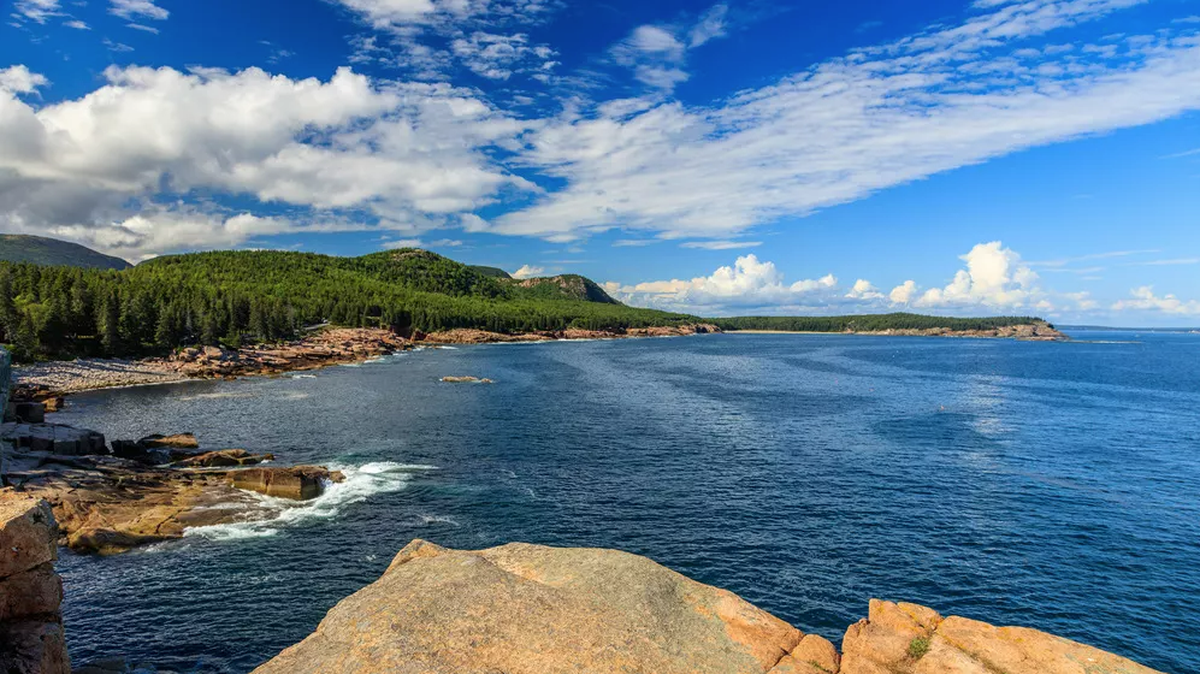
A single long line of hooks tossed into the Gulf of Maine beat odds in the strangest of ways when it caught more than two dozen examples of the world’s most irritable looking sea creature.
Wrymouth are eel-like creatures with a permanent expression of rage, but NOAA Fisheries field biologists are a different breed of angler. They were thrilled at the catch.
“During my 5-year career as a fisheries observer all over the Northwest Atlantic, I’ve only ever seen one or two wrymouths in a single haul in a handful of trips. This station had 28,” reported Emma Fowler, a biologist contracted to do research for the Northeast Fisheries Science Center.
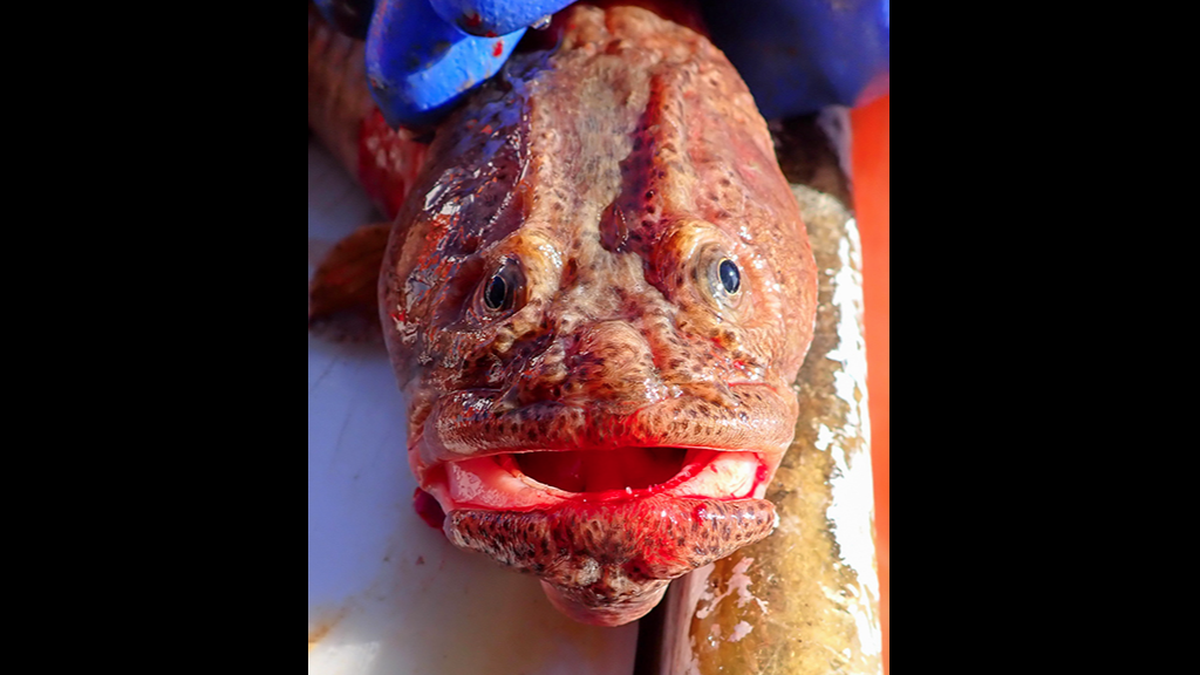
“I love wrymouths because they come up looking so angry. They remind me of grumpy old men. They writhe around with their mouths open to seem intimidating. ... This was definitely a trip highlight for me!”
Wrymouth — also known as bastard cusk, ghostfish and congo eel — aren’t a commercially fished species and “there’s not a market for them,” Fowler says.
They max out at about 3 feet in length, and are known for their wrinkled faces and a heavy lower jaw that “gives the face a bulldog-like expression when the mouth is closed,” the U.S. Fish and Wildlife Service says.
Each of the 28 wrymouth caught on the long line had to be stretched out and measured, which meant Fowler got stabbed by more than a few of their sharp spines.
Catching that many at once was all the more surprising, given survey lines caught only haddock or nothing at all in the preceding days, officials said.
As for why so many wrymouth showed up at once, Fowler suspects the long line randomly fell in the kind of “muddy, smooth bottom” area wrymouth love to wallow in.
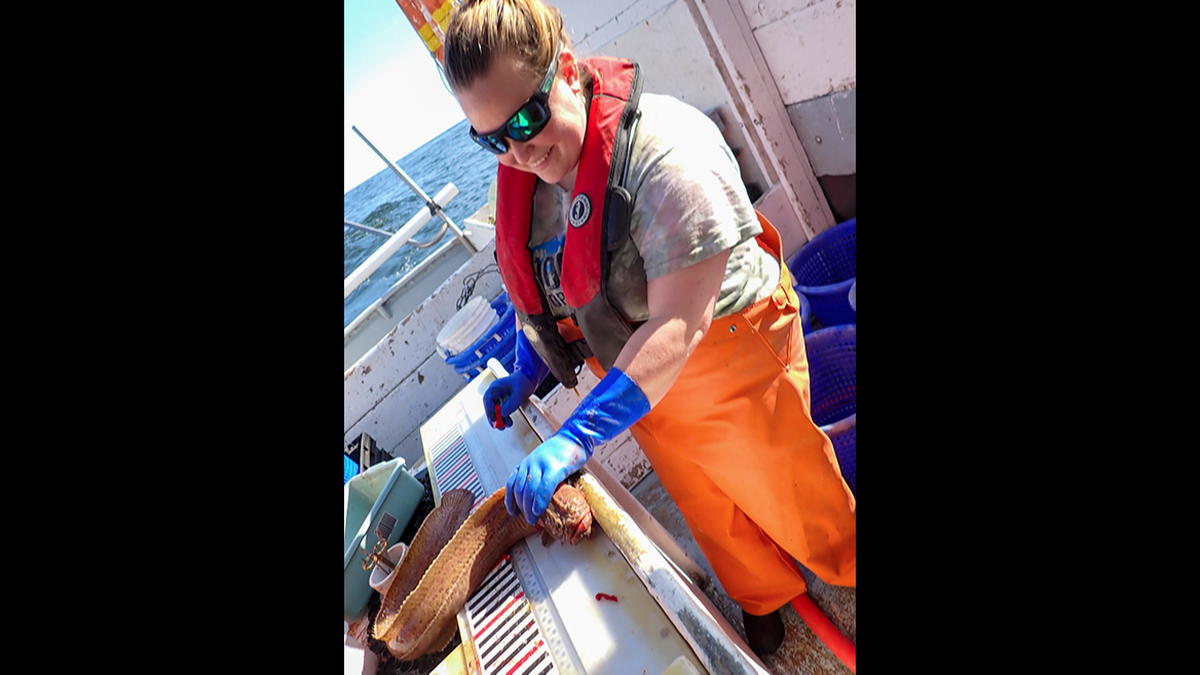
Having each of the hooks baited with squid also helped, she said.
A data search of past Gulf of Maine Bottom Longline Surveys revealed the all-time record catch for wrymouth was 36 at one time, so Fowler notes she did not break a record.
“Most of (the 28) did go back over alive into the Gulf of Maine and shot straight down to the bottom once overboard,” she said. “The ones that did not make it were saved to use in future outreach events.”
The heavily fished Gulf of Maine spans 36,000 square miles of water, and borders Maine, Massachusetts, New Hampshire, New Brunswick, and Nova Scotia, Canada, according to Gulfofmaine.org. It is home to more than 3,000 marine species and birds.
This story was originally published July 6, 2023 at 7:34 AM with the headline "One fishing line catches 28 angry-looking sea creatures in Gulf of Maine, photo shows."