
Witch image found on century-old plan for New England historic site. Reason a mystery
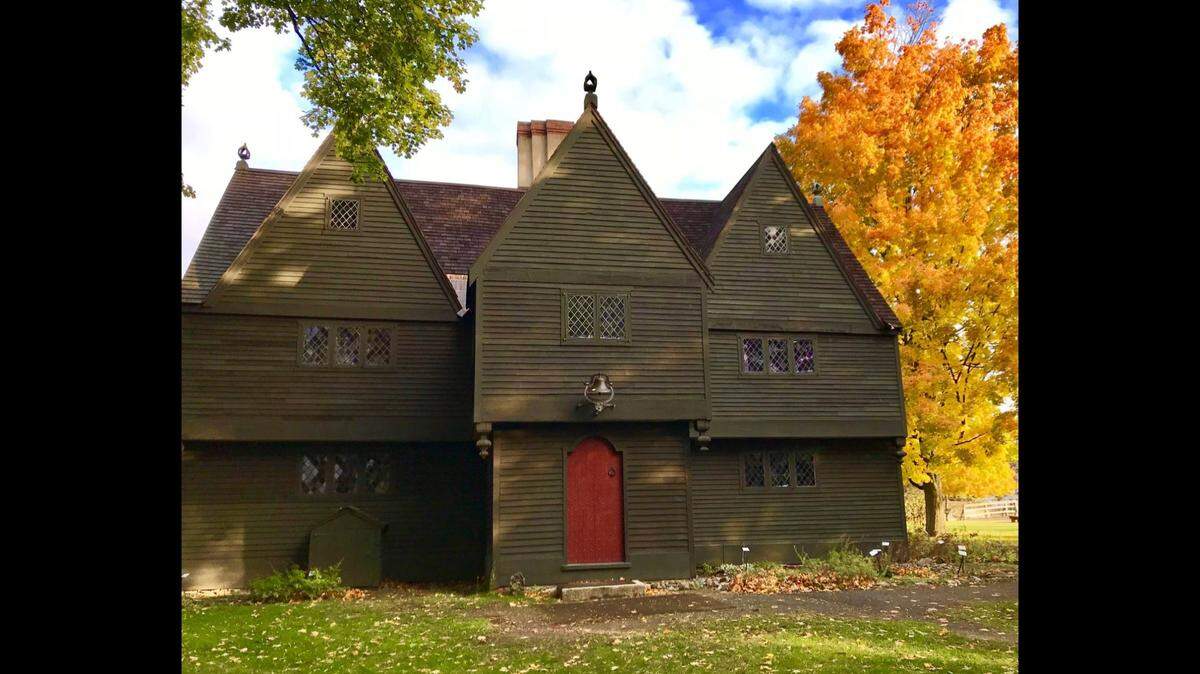
A New England historic site dating to the mid 1600s reports an eerie “quirk” was found among century-old restoration drawings in the archives.
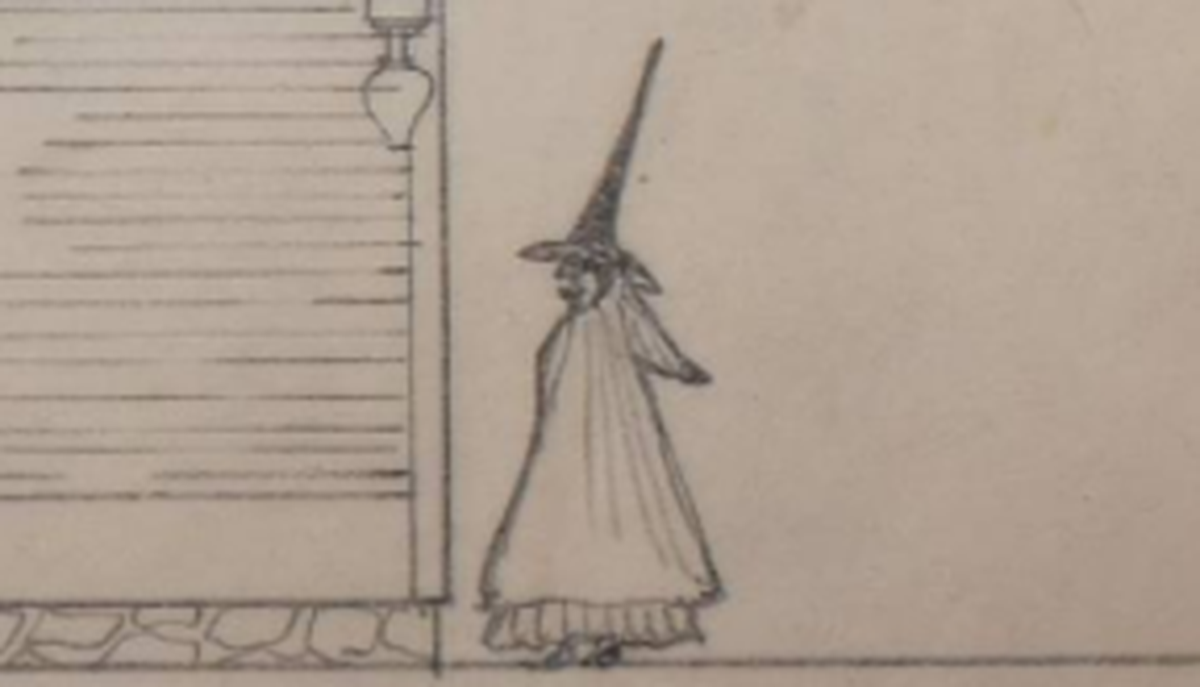
The young architect who led renovations at Saugus Iron Works National Historic Site in eastern Massachusetts added a classic image of a witch to his plans for restoring the Iron Works House.
Why?
No one seems sure and the artist apparently died not long after the work was finished, the National Park Service reported in a Facebook post timed for Halloween.
The architect was identified as Henry Charles Dean and his graphite architectural image is of the south facade of the Iron Works House. The witch appears outside the imposing house, which saw renovations completed in 1915, the park reports.
It stands today with dark siding and a disconcerting bright red door.
“Dean died at the young age of thirty-three in 1919 as a result of contracting the influenza virus,” park officials wrote.
“A quirk of this drawing is the illustration of a witch drawn to scale dressed in a cape and large pointed hat standing next to the Iron Works House. If you look closely, she even has a sharp nose and ghoulish expression!”
Comparisons between his plans and the finished project show only one difference: Finials atop the structure were changed to resemble hearts, officials said.
The Saugus Iron Works National Historic Site operated from 1646 to about 1670, and stands today as “a reconstruction of the first successful, integrated iron works in the New World,” according to the National Park Service.
So what does that have to do with witches?
One possible answer: Iron is legendary for protecting against the magic of witches. It’s also worth mentioning that Massachusetts is notorious for hosting “the Salem Witch Hysteria” in the 1690s, when “20 people were executed” for allegedly being witches, according to the Saugus Public Library.
“Iron is in folklore, one of the best charms against witches, sorcerers, Demons and other evil spirits,” according to occult-world.com.
“In Europe, folklore holds that witches cannot pass over cold iron, and burying an iron knife under the doorstep of one’s house will ensure that no witch will ever enter. In some rural locales, iron has been used to protect entire villages.”
This story was originally published October 26, 2021 at 2:37 PM with the headline "Witch image found on century-old plan for New England historic site. Reason a mystery."