Mask mandates in NC schools slowed COVID spread compared to nearby areas, study finds
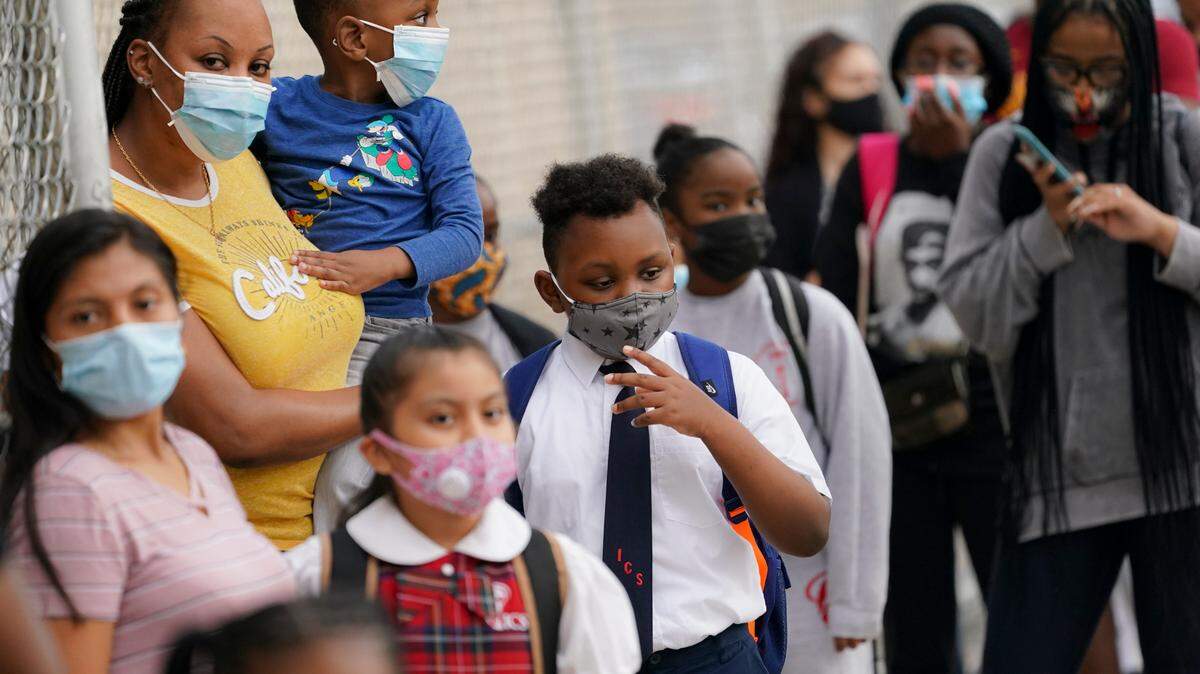
Summer school data from nearly 800 K-12 schools in North Carolina shows mask mandates have the power to curb COVID-19 outbreaks and reduce the average infection rate, even when the general community is experiencing more rapid coronavirus spread due to the highly contagious delta variant.
A total of 20 North Carolina school districts were included in a new study that set out to understand how the delta variant affects coronavirus spread in schools, given previous data was based on other versions of the virus that are not nearly as contagious. All of the districts had a mask mandate in place for summer school classes, regardless of vaccination status, including 783 schools, 59,561 students and 11,854 staff members.
Researchers said they did not provide the names of the school districts included in the study out of privacy concerns.
Between June and August, there were 808 reported community-acquired COVID-19 cases compared to 64 school-acquired cases, nearly 13 times more infections outside school settings.
The delta variant became the dominant version of the coronavirus in the U.S. about early July.
Data has shown that just one person infected with this variant, on average, can be expected to infect about seven to eight other people in the surrounding community. But it took 13 people who contracted the virus from their community to, on average, infect just one person inside the masked schools, which also had an optional but recommended guideline of at least three feet of physical distancing between people.
The secondary attack rate, or the probability that someone in the schools became infected with the coronavirus, was 2.6%, according to the study, which is “slightly higher” than the attack rate in the general community (1%) before the delta variant gained speed. Researchers say this “likely [reflects] the more infectious nature of delta.”
The study, published Oct. 1 in the journal Pediatrics, was conducted by the Duke University School of Medicine in Durham and the ABC Science Collaborative, a program that pairs scientists and physicians with school and community leaders to understand COVID-19 information.
“The findings of this study are extremely encouraging for the health and safety of students and staff attending schools where universal masking is in place,” study co-author Dr. Kanecia Zimmerman, co-chair of the ABC Science Collaborative, said in a news release. “The delta variant is more transmissible than previous ancestral variants, but transmission in schools can continue to be low with vaccination among those who are eligible, strict adherence to masking, and avoidance of pandemic fatigue.”
It’s important to note the study took place when only about 10-35% of the schools’ total student body were taking classes in person during the summer. However, the number of schools open for summer sessions were also “substantially reduced” during the period examined in the study, meaning most schools still had greater than 50% of usual capacity seen during a pre-pandemic full-time school year.
Researchers said the number of people in each classroom included in their research “was consistent with a typical school year.” Still, coronavirus spread in the summer was likely lower than what is expected in the fall for four reasons: recess was less crowded, extracurricular activities were “nearly non-existent,” students wore masks more properly and frequently because more adults were present to enforce the mandate, and lunch was generally eaten outside.
“We anticipate that we will see greater transmission of the Delta variant in the upcoming school year compared to last school year and compared to summer school, even in districts with universal masking,” researchers said in the study. “These data and our experience over the last year highlight the need for and creation of alternative protocols during times of vulnerability, such as lunch, extracurricular activities, and recess, where adherence to masking is more difficult.
Researchers did not compare the North Carolina schools to those outside of the state without mask requirements.
But additional data from a Centers for Disease Control and Prevention study found some schools in Arizona without mask mandates were 3.5 times more likely to have school-associated COVID-19 outbreaks than those that did require masks.
This story was originally published October 8, 2021 at 2:31 PM with the headline "Mask mandates in NC schools slowed COVID spread compared to nearby areas, study finds."